
Your Cart is Empty


- Champagne
- Gifts & Hampers
- Whisky & Spirits
- Wine
- Caviar & Gourmet
- Same-Day Delivery
- Beer

The world of marketplace wine is evolving rapidly, offering wine lovers unrivalled convenience and choice in 2026. Buying wine online has never been more accessible, with digital platforms transforming how enthusiasts discover and enjoy bottles from around the globe.
This essential guide arms you with up-to-date strategies and insider knowledge to make every marketplace wine purchase rewarding. Whether you are searching for everyday favourites, rare vintages, or sustainable selections, you will find practical advice to navigate the digital shelves with confidence.
Explore the latest trends, learn to evaluate wines by region and vintage, master pricing insights, and follow expert step-by-step buying tips. Your journey to smarter, more enjoyable online wine shopping starts here.
The landscape of marketplace wine buying in 2026 is transforming rapidly, driven by technology and shifting consumer habits. Today, enthusiasts and collectors have unprecedented access to wines from around the world, all from the comfort of home.
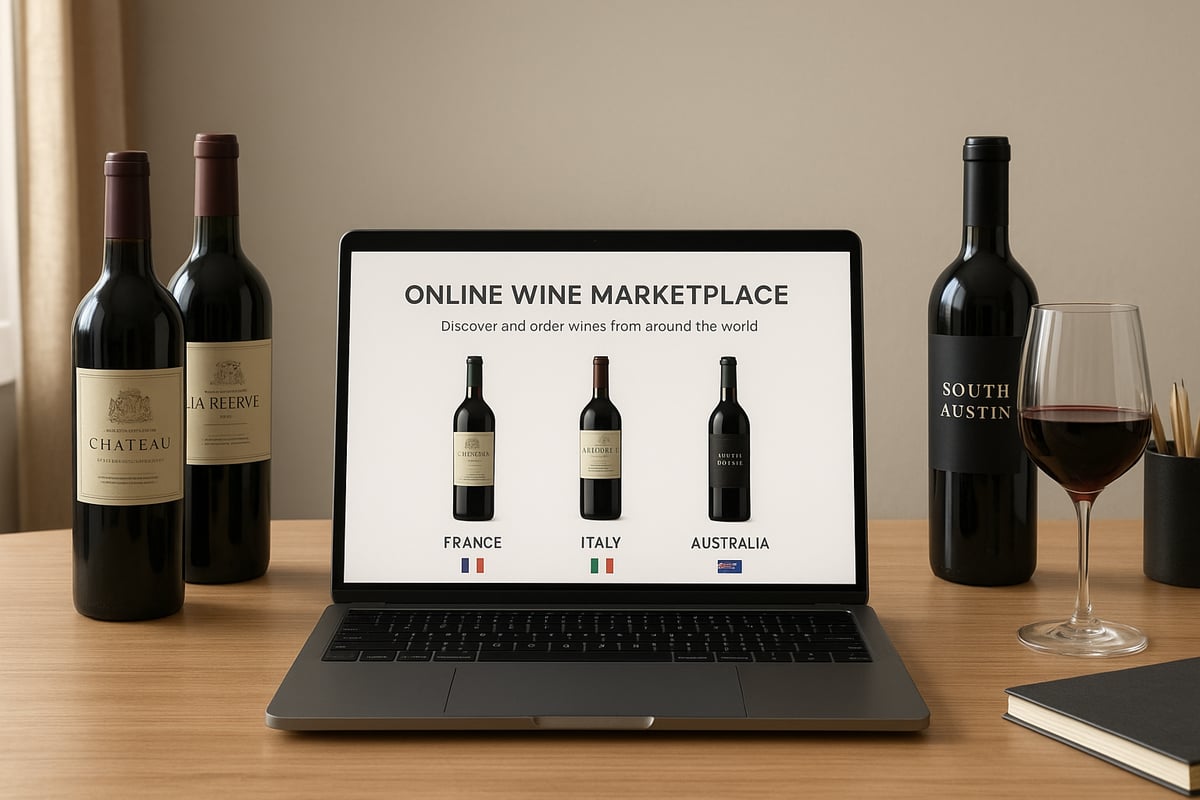
Marketplace wine platforms have seen explosive growth in recent years. Services like Wine-Searcher have expanded globally, making it easier than ever to compare prices and locate rare vintages across continents. This digital shift means buyers can source wines from Europe, the USA, Australia, and beyond with just a few clicks.
Compared to traditional retail, buying marketplace wine offers clear advantages. Online platforms provide broader selections, including rare bottles not typically available in local shops. Auction sites, direct-to-consumer shops, and peer-to-peer sales each cater to different needs, whether you are seeking investment-grade bottles or everyday favourites.
A key benefit is global delivery networks, which now offer reliable shipping even for fragile or valuable wines. Buyers use valuation tools, critic scores, and vintage charts to make informed decisions. Mobile-first shopping has become the norm, with AI-powered recommendations helping users discover new favourites suited to their tastes.
Security and buyer protection have also improved dramatically. Platforms now offer transparent policies, secure payments, and detailed seller ratings. As an example, Wine-Searcher allows users to check price histories and bottle provenance, ensuring confidence in every transaction.
Several trends define the 2026 marketplace wine sector. Demand for sustainable, organic, and biodynamic wines is at an all-time high. Curated wine gift sets and themed selections have grown in popularity, appealing to both novices and seasoned collectors.
Data shows a steady rise in marketplace wine sales, with sparkling wines, Bordeaux blends, and wines from France, Italy, and the USA among the most searched. Younger buyers are entering the market, driving demand for transparent pricing and no buyer’s premium policies, such as “What you bid is what you pay” models.
Fast delivery is becoming standard, with same-day and next-day options widely available. This shift supports the modern consumer’s desire for convenience and speed. For a deeper look at market growth and future projections, see the Online Wine Sales Forecast.
As the marketplace wine environment evolves, buyers benefit from more choice, transparency, and flexibility than ever before. The future promises even greater personalisation, wider selections, and ongoing innovation in how wine is bought and enjoyed online.
Exploring the world of marketplace wine in 2026 reveals an incredible spectrum of options. Whether you are seeking classic reds, fresh whites, elegant sparkling bottles, or something unique, today’s digital platforms provide access to a wider variety than ever before.
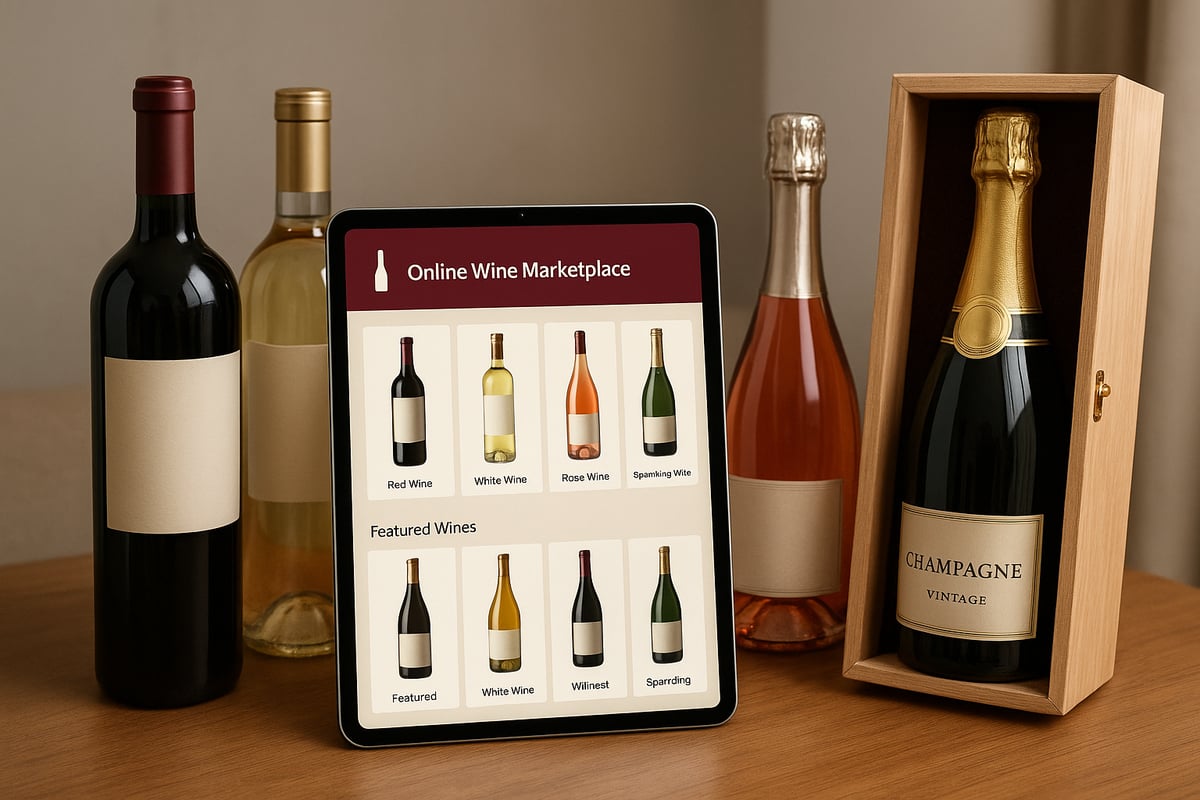
Marketplace wine buyers benefit from a dazzling array of types and styles, catering to every taste and occasion. Reds remain a perennial favourite, with grape varieties such as Pinot Noir, Cabernet Sauvignon, and Merlot consistently topping search charts. For those interested in exploring diverse red selections, you can find practical guidance in Red wine delivery tips, offering insights into choosing and purchasing red wines online.
White wines, including the crisp freshness of Sauvignon Blanc and the nuanced complexity of Chardonnay, are equally prominent. Rosé has seen a surge in popularity, especially as younger consumers seek lighter, approachable styles. Sparkling wines, led by Champagne, Prosecco, and English sparkling, are increasingly featured on marketplace wine platforms, making celebrations more accessible.
Dessert and fortified wines, such as Port, Sauternes, and Sherry, appeal to those seeking something special or suitable for cellaring. Marketplaces also cater to evolving values, with vegan, vegetarian, organic, and carbon-neutral wines now widely available. These categories are driven by sustainability-conscious buyers and are often highlighted through dedicated filters.
Marketplace wine platforms showcase both everyday bottles for casual enjoyment and rare, investment-grade vintages. It is not uncommon to find listings for iconic bottles like Dom Pérignon or Louis Roederer Cristal alongside affordable options ideal for daily drinking. This diversity ensures there is a marketplace wine for every palate and occasion.
A recent trend is the rise of curated wine sets and themed selections. These offer buyers a chance to explore regions such as Bordeaux, Burgundy, or New Zealand with a single purchase, simplifying discovery and gifting. Data from 2026 indicates strong growth in sales of sparkling wines and rosé, reflecting shifting consumer preferences and the broad appeal of marketplace wine platforms.
Marketplace wine listings provide a range of bottle sizes to suit every need. The standard 75cl bottle remains the most common, but magnums (1.5L), half-bottles (37.5cl), and larger formats like Jeroboams are increasingly sought after for parties, cellaring, or gifting. Collectors often seek wines in original wooden cases (OWC) or with special presentation boxes, as these packaging details can significantly enhance both value and desirability.
Packaging is not just about aesthetics. For fine wines, factors such as duty status (in bond or duty paid) and provenance are crucial, especially for investment or resale purposes. Listings often specify whether wines are stored under bond, which can offer tax benefits and guarantee professional storage conditions.
Gift buyers are drawn to marketplace wine platforms for their emphasis on presentation. Custom gift wrapping, hand-written messages, and bespoke packaging add a personal touch, making these options ideal for birthdays, anniversaries, or corporate gifting.
For a quick reference, here is a summary of common bottle sizes and packaging features found on marketplace wine platforms:
| Bottle Size | Volume | Typical Use |
|---|---|---|
| Half-bottle | 37.5cl | Sampling, gifting |
| Standard | 75cl | Everyday enjoyment |
| Magnum | 1.5L | Parties, ageing, gifting |
| Jeroboam | 3L | Special occasions, collecting |
Marketplace wine listings frequently highlight packaging and provenance, enabling buyers to make informed decisions. Collectors, investors, and casual drinkers alike can find options tailored to their needs, ensuring every bottle arrives in perfect condition and with all relevant details clearly displayed.
Navigating the world of marketplace wine in 2026 means embracing a global selection, understanding the impact of vintage, and matching styles to your preferences. With digital platforms offering access to wines from every corner of the globe, buyers are empowered to tailor their choices more than ever before.
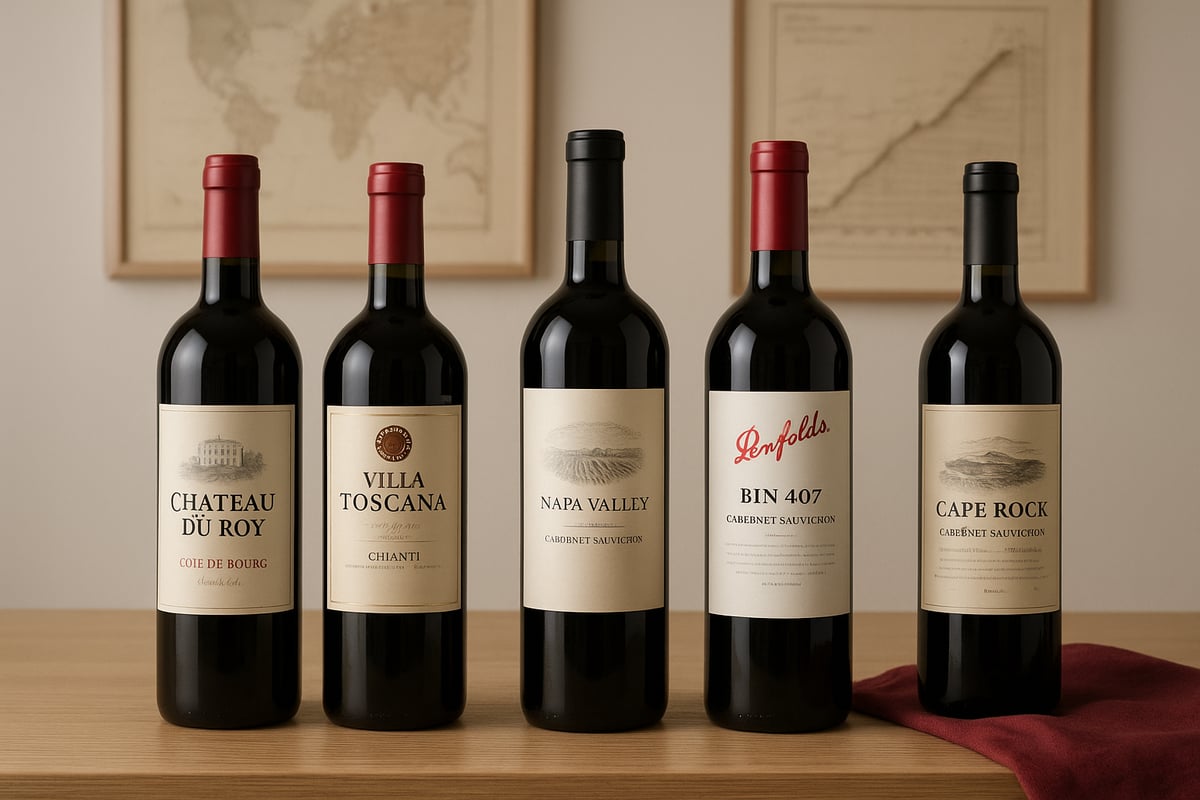
Marketplace wine platforms now feature an unparalleled range of international wines. France, Italy, Spain, the USA, Australia, South Africa, Argentina, Germany, Portugal, and the UK all have a strong presence. Each region brings its unique flavours, traditions, and values.
For example, Burgundy’s Premier Cru wines are known for their finesse and complexity, while Bordeaux Grand Cru offers bold structure and ageing potential. Napa Valley in California is celebrated for powerful Cabernet Sauvignon. Buyers can use marketplace wine filters to target specific regions, ensuring they find exactly what suits their palate or collection goals.
Regional characteristics directly influence a wine’s style and value. For collectors, searching by country or appellation can reveal hidden gems or investment-grade bottles. Everyday drinkers might focus on up-and-coming regions like South Africa or Portugal for quality at a sensible price. Marketplace wine listings often highlight regional notes, helping buyers make informed, confident choices.
Vintage plays a crucial role in the quality, collectability, and pricing of marketplace wine. Weather patterns, harvest conditions, and ageing potential all vary by year, impacting how a wine tastes and how it matures over time.
Buyers can access vintage charts on platforms like Wine-Searcher to compare years, such as 1999, 2000, and 2022 for Champagne or Bordeaux. These tools help identify which vintages are ready to drink now and which are best for cellaring. For example, a 2000 Bordeaux is often prized for its balance and longevity, while a recent 2022 vintage may offer youthful vibrancy.
Marketplace wine platforms provide detailed vintage information and critic scores, allowing buyers to match their preferences to the right year. When considering a purchase, always check the vintage chart and any tasting notes. This approach helps ensure your wine choice meets your expectations, whether you’re seeking a bottle for immediate enjoyment or long-term investment.
Marketplace wine platforms make it simple to browse by wine style, from light reds and rich whites to dry rosé and complex sparkling. Filters allow buyers to narrow options for specific occasions, such as summer entertaining or formal dining.
Matching wine styles to food is easier than ever. For instance, a robust red pairs beautifully with beef, while a crisp dry rosé shines at picnics or al fresco meals. Sparkling wines, like vintage Champagne, add celebration to any event. Many platforms also offer vegan, organic, and biodynamic styles, appealing to a wide range of values and tastes.
For those exploring both wine and champagne options, wine and champagne delivery insights can provide helpful guidance on selecting bottles for every occasion. Whether you’re planning a tasting evening or searching for a perfect gift, marketplace wine filters and expert recommendations simplify the process.
Evaluating price, value, and authenticity is essential when navigating the marketplace wine landscape in 2026. With a vast range of options and sellers, understanding how to interpret pricing, assess value, and ensure the legitimacy of your purchase will help you make confident, rewarding choices. Let’s break down each element for a seamless marketplace wine experience.

Marketplace wine platforms offer a variety of pricing structures, each with its own advantages. Auctions let buyers bid for bottles, sometimes with no reserve, meaning the wine will sell regardless of price. Fixed price listings provide certainty, while some sites add a buyer’s premium, an extra fee on top of your winning bid. Others, like Bid for Wine, promote a transparent approach, ensuring what you bid is what you pay.
Pricing can vary widely based on several factors. The region, producer reputation, vintage quality, rarity, and packaging all influence the final cost. For instance, original wooden cases or bottles with pristine provenance often command a premium.
Comparing prices across platforms is vital for getting the best deal. Tools like Wine-Searcher aggregate global listings, helping you spot both affordable options and investment-grade bottles. Here is a quick summary of common marketplace wine pricing structures:
| Pricing Structure | Description | Example Benefit |
|---|---|---|
| Auction | Bidding, may have no reserve | Potential for bargains |
| Fixed Price | Set amount, immediate purchase | Certainty and speed |
| Buyer’s Premium | Extra percentage on top of final bid | May affect total cost |
| No Buyer’s Premium | No extra fees | Full price transparency |
By understanding these structures, you can tailor your marketplace wine buying strategy to suit your budget and goals.
Finding value in the marketplace wine world requires a mix of research and smart use of available tools. Critic scores, awards, and expert reviews are invaluable for narrowing down choices. Many platforms feature “best value” or “most popular” filters, making it easier to identify standout bottles.
Look out for lists such as Wine-Searcher’s “Best Value for Price,” which highlight quality wines at accessible prices, including popular regions like California reds or German Rieslings. These tools help you avoid overpaying and discover hidden gems among up-and-coming producers.
Focus on the following strategies to maximise value:
A combination of these approaches increases your chances of securing the best possible deal without compromising on quality.
Authenticity and provenance are non-negotiable when investing in marketplace wine. The risk of counterfeiting exists, especially with rare or high-value bottles. Reputable marketplaces address this by offering secure payment systems, buyer protection policies, and detailed condition reports.
Always review bottle images, packaging details, and seller reputation before committing to a purchase. Listings should include comprehensive notes about storage history and condition, as these factors directly affect both value and drinkability.
For additional peace of mind, choose platforms that provide robust protection and delivery options. For example, if you are seeking reliable online wine delivery, consider services that prioritise buyer security and transparent delivery processes, as outlined in the Online wine delivery in London guide.
By following these steps, you can confidently navigate the marketplace wine environment, ensuring every bottle you buy is both genuine and a true reflection of its stated quality.
Buying wine online in 2026 is both exciting and accessible, thanks to innovative marketplace wine platforms. Whether you are new to digital wine shopping or a seasoned buyer, following a clear process ensures a seamless, rewarding experience. Here is your essential, step-by-step guide for navigating the modern world of marketplace wine.
Start by clarifying your objectives for buying marketplace wine. Are you searching for everyday bottles to enjoy with meals, or are you seeking rare vintages for a growing collection? Setting clear goals helps narrow your choices.
Consider your budget and preferred wine types, such as reds from Bordeaux or sparkling from Champagne. Think about whether you need a mixed case for entertaining, a single standout bottle for a milestone, or a themed gift set.
By outlining your purpose and preferences, you will save time and make more satisfying marketplace wine selections.
With goals in mind, explore the vast range of marketplace wine listings. Use advanced search filters to refine by grape variety, region, vintage, price range, and critic score. This makes it easier to pinpoint wines matching your criteria.
Compare detailed descriptions, high-resolution images, and seller ratings across different platforms. For example, when searching for Dom Pérignon Rosé 1993, review the condition and price on several sites before deciding.
Marketplace wine platforms offer tools for side-by-side comparisons, ensuring you find the best value and authenticity every time.
Before committing, evaluate each seller and listing to minimise risk. Key factors to review include:
Marketplace wine platforms often feature verified sellers and transparent histories, helping you buy with confidence.
Once you have chosen the right bottle, review the payment and delivery options. Top marketplace wine sites prioritise security, offering encrypted payments and buyer protection policies.
Select your preferred delivery method, whether same-day, next-day, or bonded storage for investment wines. For those needing speed and convenience, consult this Next day wine delivery guide to learn how fast, reliable shipping works for marketplace wine buyers.
Confirm all order details, then complete your purchase with peace of mind.
Upon arrival, carefully inspect your marketplace wine order for accuracy and condition. Check the label, packaging, and fill level to ensure everything matches the listing.
For short-term storage, keep bottles in a cool, dark place, away from direct sunlight. If you plan to cellar wine for years, invest in a wine fridge or temperature-controlled space.
Proper storage preserves quality and value, making your marketplace wine purchases even more rewarding.
Now comes the best part: enjoying your marketplace wine. Serve your wine at the recommended temperature and use suitable glassware for each style.
Pair bold reds with hearty dishes, crisp whites with seafood, or sparkling wines for special celebrations. Hosting a wine tasting evening featuring marketplace wine finds can turn any gathering into a memorable event.
By following each step, you will confidently select, purchase, and savour exceptional marketplace wine every time.
Navigating the world of marketplace wine at a higher level requires strategic thinking and the right tools. Whether you are collecting for pleasure, investing for profit, or searching for the perfect gift, these advanced tips will help you make confident decisions in 2026.
For collectors and investors, marketplace wine offers access to a wide array of investment-grade bottles and emerging trends. Focus on wines with proven track records, such as Bordeaux, Burgundy, and Champagne. These regions consistently produce bottles that hold or increase in value.
Tracking the most traded collectible wines is essential for understanding market dynamics. Consider the following table for recent trends:
| Region | Top Collectible Wines | Notable Vintages |
|---|---|---|
| Bordeaux | Château Lafite Rothschild | 2000, 2005, 2016 |
| Burgundy | Domaine de la Romanée-Conti | 2015, 2017, 2018 |
| Champagne | Louis Roederer Cristal | 2008, 2012, 2014 |
Use marketplace wine platforms to monitor price appreciation, critic scores, and storage history. Buying en primeur or limited releases can offer strong potential for future resale. Diversifying your collection across regions and producers can also help mitigate risk.
Marketplace wine platforms make gifting easier and more impressive than ever. Curated gift sets, region-focused selections, and luxury hampers are widely available. Presentation matters greatly, so look for original packaging, elegant boxes, and the option for custom messages.
Popular gifting options include:
When selecting a marketplace wine gift, always review delivery timelines and packaging details. This ensures your gift arrives in perfect condition and on time for any special occasion.
Advanced marketplace wine buyers benefit from digital tools that streamline the search and buying process. Set up alerts for rare bottles, use wish lists to track favourites, and enable price tracking for smart purchasing decisions.
Modern platforms offer:
Digital innovation is transforming the marketplace wine experience. As highlighted in Digital Trends in Wine Retail, AI-driven personalisation and community engagement are making it easier to discover and evaluate new wines. Stay informed about new features that enhance transparency and buyer protection.
Global access is a defining feature of marketplace wine in 2026. To buy or gift internationally, understand each country’s import duties, delivery restrictions, and documentation requirements. Many platforms now offer guidance and support for seamless cross-border transactions.
Tips for international marketplace wine shipping:
For example, sending a case of Italian wine from the UK to the USA is now more straightforward, thanks to improved logistics and clearer regulations. Always check the marketplace wine platform’s shipping policies to avoid delays or disappointments.
The world of marketplace wine is set for remarkable transformation as we look toward the future. Innovative technology, shifting consumer values, and evolving delivery models are all shaping how buyers engage with wine online. Whether you are a collector, occasional drinker, or industry enthusiast, understanding these trends will help you stay ahead and make the most of every opportunity.
Technology is revolutionising the marketplace wine experience. Artificial intelligence is driving smarter, more personalised recommendations, making it easier for buyers to discover new wines tailored to their tastes. Virtual wine tastings and online masterclasses are now mainstream, bridging the gap between digital and sensory experiences.
Platforms have adopted AI-powered features that extend shopping sessions and improve customer satisfaction. According to AI Enhances Wine E-Commerce, AI is not only personalising the journey but also contributing to significant market growth. From predictive search functions to curated lists, technology is making marketplace wine shopping intuitive and engaging.
Sustainability is at the forefront of marketplace wine trends. Buyers are increasingly seeking organic, biodynamic, and carbon-neutral wines, reflecting a global shift towards ethical consumption. Marketplaces are now highlighting sustainable producers and offering eco-friendly packaging options to meet these preferences.
Shoppers can filter for wines produced with minimal environmental impact and opt for recyclable or biodegradable packaging. This emphasis on sustainability is shaping buying habits and encouraging producers to adopt greener practices, making ethical choices more accessible for every marketplace wine customer.
Marketplace wine buying is evolving into a more social and educational experience. Online communities and forums provide spaces for enthusiasts to share tasting notes, reviews, and recommendations. Many platforms now host expert-led virtual events, masterclasses, and group tastings.
This sense of community helps buyers expand their knowledge and confidence, while peer recommendations add a valuable layer of trust. Marketplace wine platforms are increasingly integrating educational content and interactive features to foster engagement and lifelong learning.
Rapid delivery and fulfilment options are transforming the marketplace wine landscape. Instant, same-day, and temperature-controlled delivery services are becoming standard, ensuring that wines arrive in optimal condition and on time for special occasions.
These advancements cater to the growing demand for convenience and reliability. Buyers can now receive a rare bottle within hours, making last-minute celebrations and gifting effortless. The marketplace wine sector is prioritising logistics innovation to enhance customer satisfaction.
As marketplace wine buying grows, so does the importance of robust regulation and consumer protection. Enhanced verification processes for both sellers and bottles are helping to combat fraud and ensure transparency.
Buyer protection policies, secure payment systems, and transparent listing practices are now standard. These measures build trust, reduce risk, and make the marketplace wine experience safer for every participant, whether purchasing for pleasure or investment.
As we’ve explored, navigating the 2026 wine marketplace is all about staying informed, embracing convenience, and making choices that suit your taste and occasion. Whether you’re new to online wine buying or searching for that perfect celebratory bottle, having a trusted service with a broad selection and reliable delivery makes all the difference. If you’re ready to put your new knowledge into action or simply want to discover something special for your next event, why not browse the curated collection at Drinks House 247? You’ll find an exceptional range ready for same day or next day delivery, right to your door.
Article written using RankPill.
Comments will be approved before showing up.


