
Your Cart is Empty


- Champagne
- Gifts & Hampers
- Whisky & Spirits
- Wine
- Caviar & Gourmet
- Same-Day Delivery
- Beer
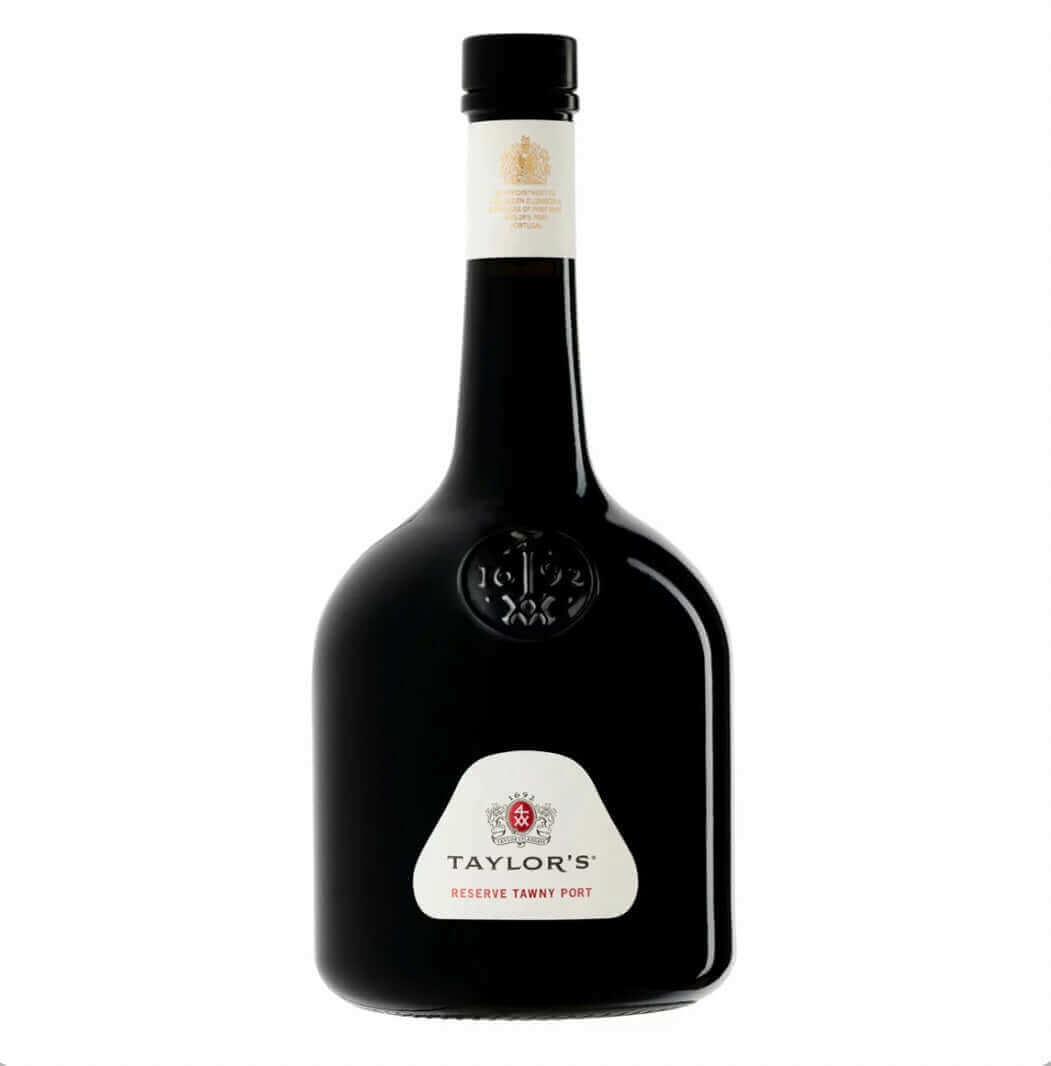
The safest wines for a mixed cheese board are a tawny port, an off-dry Riesling or a soft, mature red such as Rioja Reserva. White and sweet wines suit more cheeses than big tannic reds do. If you can open two bottles, pair a crisp white with a port and almost every cheese is covered.
Cheese is not one flavour. A chalky goat's cheese, a nutty Comté and a salty Stilton ask for quite different things from a glass, which is why a single heavy red so often disappoints. The table below gives the classic matches by style of cheese. They are classics because they work, not because they are expensive.
| Style of cheese | Examples | Wines that suit it | Why it works |
|---|---|---|---|
| Fresh and goat's | Crottin de Chavignol, young goat's log | Sancerre or another Sauvignon Blanc | High acidity matches the tang of the cheese |
| Soft, bloomy rind | Brie, Camembert | Champagne, unoaked Chardonnay, Beaujolais | Acidity and bubbles cut through the cream; low tannin avoids bitterness |
| Hard and mature | Cheddar, Manchego, Parmesan | Rioja Reserva, red Bordeaux, tawny port | Firm, savoury cheese can stand up to structure and oak |
| Alpine and nutty | Comté, Gruyère | White Burgundy, Jura whites, dry Riesling | Nutty notes in the wine echo the cheese |
| Washed rind | Epoisses, Taleggio | Gewurztraminer, off-dry Riesling | Aromatic, slightly sweet wines handle pungent rinds |
| Blue | Stilton, Roquefort | Port, Sauternes | Sweetness balances salt |
White, more often than most people expect. Tannin, the drying quality in young, full-bodied reds, can taste bitter or metallic against soft and blue cheeses. White wines have no real tannin and usually more acidity, which refreshes the palate after something rich and creamy.
Red wine still has its place. Hard, mature cheeses such as Cheddar and Manchego have the firmness and savoury depth to meet a red halfway, particularly one with a few years of age where the tannins have softened. A Rioja Reserva, which must be aged for at least three years with at least one in oak, is a dependable choice. If the board is mostly hard cheese, red is fine. If it leans towards Brie, goat's cheese and blue, a white or a sweet wine will do a better job.
If you are only opening one bottle, choose something with little tannin and a touch of sweetness or ripe fruit. Three options cover most boards:
None of these needs to be a grand bottle. A modest tawny port will usually please more people at the cheese course than a prestigious young claret, so there is no reason to save your most expensive red for this moment. Serve that with the main course instead.
It is a contrast of salt and sweet, the same principle as salted caramel. Stilton is salty, rich and sharp. Port is sweet, fruity and, at around 20% ABV, strong enough not to be overwhelmed. Each makes the other taste more balanced. Sauternes and Roquefort is the French version of the same idea. For more on choosing between fortified wines, see our guide to port and sherry at Christmas.
Yes, and it is underused. The acidity and bubbles in champagne cut through creamy, bloomy-rind cheeses such as Brie and Camembert, and it is very good with Parmesan and other hard, salty cheeses. It is less suited to strong blues, where a sweet wine is the better match. If the cheese is coming out as nibbles with drinks before dinner rather than as a course afterwards, sparkling wine is a natural choice.
Cheese tastes of very little straight from the fridge, so take it out about an hour before serving. Wine is the opposite problem: reds are often poured too warm and whites too cold. These are the standard serving ranges.
| Wine | Serving temperature |
|---|---|
| Sweet white (Sauternes) | 6–8°C |
| Champagne and sparkling | 6–10°C |
| Light, crisp white (Sancerre, Riesling) | 7–10°C |
| Fuller white (white Burgundy) | 10–13°C |
| Light red (Beaujolais, Pinot Noir) | About 13°C |
| Tawny port | 12–16°C |
| Fuller red (Rioja, Bordeaux) | 15–18°C |
Less than for the main course. By this point in the meal most guests want a small glass, not a refill. A 75cl bottle gives six 125ml glasses of table wine, so one bottle is enough for six people. Port is poured smaller: the same size bottle gives fifteen 50ml measures or ten 75ml measures. A 50ml measure of port at 20% ABV is one UK unit, and a 125ml glass of wine at 13% is about 1.6 units. An opened tawny port also keeps for several weeks, so nothing is wasted if the bottle is not finished.
If the cheese is bought and the wine is not, we offer wine delivery in London around the clock, with orders across Greater London typically arriving in 30–45 minutes. Orders placed by 4pm are sent next day to mainland UK. There is no minimum order, and if the bottle is a present for the host you can add a free personalised gift note.
For a mixed board, a tawny port, an off-dry Riesling or a soft, mature red such as Rioja Reserva will suit the widest range of cheeses. If you can serve two wines, a crisp white and a port cover almost everything.
White wine suits more cheeses, because it has no real tannin and more acidity. Red works best with hard, mature cheeses such as Cheddar and Manchego.
Port is the classic match for Stilton, because its sweetness balances the salt in the cheese. Sauternes and other sweet white wines work on the same principle.
Yes. Champagne is very good with Brie, Camembert and hard, salty cheeses such as Parmesan. It is less suited to strong blue cheese.
18+ only. Challenge 25 applies. Please drink responsibly.
Comments will be approved before showing up.

Demi-sec is the sweet style of champagne, with 32 to 50 grams of sugar per litre. Here is how it compares with brut and extra dry, what to serve it with and when brut is the better buy.

