
Your Cart is Empty


- Champagne
- Gifts & Hampers
- Whisky & Spirits
- Wine
- Caviar & Gourmet
- Same-Day Delivery
- Beer
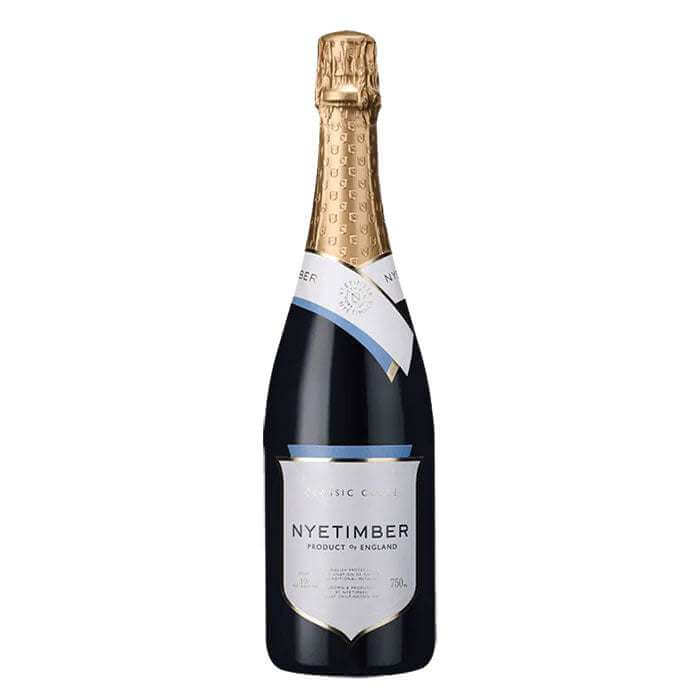
English sparkling wine is bottle-fermented fizz made in England, mostly in Sussex, Kent and Hampshire, from the same grapes as champagne: Chardonnay, Pinot Noir and Pinot Meunier. It is made by the same traditional method, tastes crisp and fresh with a toasty edge, and is a serious alternative to champagne rather than a budget one.
The name is protected. A bottle labelled as English quality sparkling wine has to be made from grapes grown in England, by the traditional method, which means the second fermentation that creates the bubbles happens inside the bottle you buy. The rules also require at least nine months of ageing on the lees, the spent yeast that gives traditional-method fizz its biscuit and brioche character. In practice, most established producers age their wines for considerably longer than the minimum.
Six grape varieties are permitted under those rules: Chardonnay, Pinot Noir, Pinot Meunier, Pinot Noir Précoce, Pinot Blanc and Pinot Gris. The first three do most of the work, exactly as they do in Champagne. Sussex has had its own protected designation since 2022, with stricter requirements of its own.
Most vineyards sit in the south of England. Sussex, Kent and Hampshire lead, with further plantings in Surrey, Dorset and Essex. Two things make the south suitable. The first is geology: the chalk of the North and South Downs belongs to the same formation that surfaces in Champagne, and chalk drains well while holding enough water for the vines. The second is climate. Southern England lies a little further north than Champagne and stays cool, so grapes ripen slowly and keep the high natural acidity that sparkling wine depends on.
The idea is older than it looks. In 1662 the English scientist Christopher Merret presented a paper to the Royal Society describing how adding sugar to finished wine made it sparkle, several decades before the method was established in Champagne. The modern industry is much younger. Nyetimber planted the three champagne grapes in West Sussex in 1988, and the wines that followed in the 1990s showed what was possible. Since then, champagne houses including Taittinger and Pommery have planted vineyards of their own in Kent and Hampshire, which tells you how the region is regarded.
The method matters more than the country. English sparkling wine, champagne and cava are all fermented a second time in the bottle. Prosecco is fermented in a pressurised tank, which is quicker and keeps the wine fruity and light rather than toasty.
| Wine | Where it is from | Method | Main grapes | Minimum ageing on lees |
|---|---|---|---|---|
| English sparkling wine | England | Traditional (in bottle) | Chardonnay, Pinot Noir, Pinot Meunier | 9 months |
| Champagne (non-vintage) | Champagne, France | Traditional (in bottle) | Chardonnay, Pinot Noir, Pinot Meunier | 12 months, within 15 months in the cellar |
| Cava | Spain, mainly Catalonia | Traditional (in bottle) | Macabeo, Xarel-lo, Parellada | 9 months |
| Prosecco | North-east Italy | Tank | Glera (at least 85%) | None in bottle |
If you would like the three-way comparison in more depth, our guide to prosecco, champagne and cava covers it.
Expect green apple, lemon and sometimes red berries, with a toasty, pastry-like note from the time on lees. The main difference from champagne is acidity. English fizz tends to be a touch sharper and more citrus-led, particularly when young, while champagne from a warmer year can feel rounder. Neither is better. If you like your fizz bright and mouth-watering, the English style will suit you. If you prefer something softer and richer, an aged champagne or a vintage English bottle is the safer choice.
You will see the same style names as in Champagne. A classic cuvée is a blend of the three main grapes. Blanc de blancs is made from white grapes only, usually Chardonnay, and is the leanest and most citrus-driven. Blanc de noirs comes from the black grapes and is fuller. Rosé and demi-sec versions exist too.
For food, yes. That fresh acidity cuts through smoked salmon, fried canapés, oysters and anything buttery, which covers most of what is handed round before Christmas lunch. It also makes a thoughtful gift for someone who already knows their champagne, because it is less expected. A boxed bottle from our champagne gifts range does the same job if the recipient has a favourite house.
For a large party, be realistic. English sparkling wine generally sits in the same bracket as champagne, not below it, because yields are low and the method is slow. If you are pouring for a crowd and the fizz is mostly for toasting, a good cava or prosecco is the more sensible buy, and nobody will think less of you for it. Keep the English bottles for the table or the smaller gathering where people will notice what is in the glass.
Serve it as you would champagne: well chilled, in a tulip-shaped glass or a white wine glass rather than a narrow flute, so the aromas have room. Three hours in the fridge, or about 25 minutes in a bucket of ice and water, is enough.
| Serving detail | Figure |
|---|---|
| Standard bottle size | 75cl |
| Glasses per bottle (125ml) | 6 |
| Serving temperature | 8 to 10°C |
| UK units per bottle at 12% ABV | 9 |
| UK units per 125ml glass at 12% ABV | 1.5 |
Drinks House 247 delivers across Greater London 24/7, typically in 30 to 45 minutes, and next day to mainland UK when you order by 4pm. There is no minimum order, and a free personalised gift note can be added to any bottle. Our champagne delivery in London covers more than 300 champagnes, alongside sparkling wines to suit a toast, a dinner or a present.
No. Champagne can only come from the Champagne region of France. English sparkling wine is made in England, usually by the same traditional method and from the same three main grapes, so the style is close, but it is a separate wine with its own protected name.
Most of it is dry. The majority of bottles are labelled brut, which means under 12 grams of sugar per litre. A small number of producers also make a demi-sec, which is noticeably sweeter and suits desserts.
Unopened non-vintage bottles are released ready to drink and are best enjoyed within a few years, stored somewhere cool and dark. Once opened, a sparkling wine stopper and the fridge will keep the bubbles for one to two days.
A standard 75cl bottle gives six 125ml glasses. For a toast with smaller pours, the same bottle stretches to around eight.
18+ only. Challenge 25 applies. Please drink responsibly.
Comments will be approved before showing up.


Christmas pudding needs a wine at least as sweet as it is. Here are eight styles that work, from Pedro Ximénez sherry to Tokaji, with serving temperatures and how much to buy.

Champagne is in half of our orders, Veuve Clicquot Yellow Label is ordered about two and a half times as often as Moët, and one order in ten is placed between midnight and 6am. Here is what a year of London delivery orders shows.