London's Fastest Alcohol Gift Delivery — Same Day in 30–45 Minutes
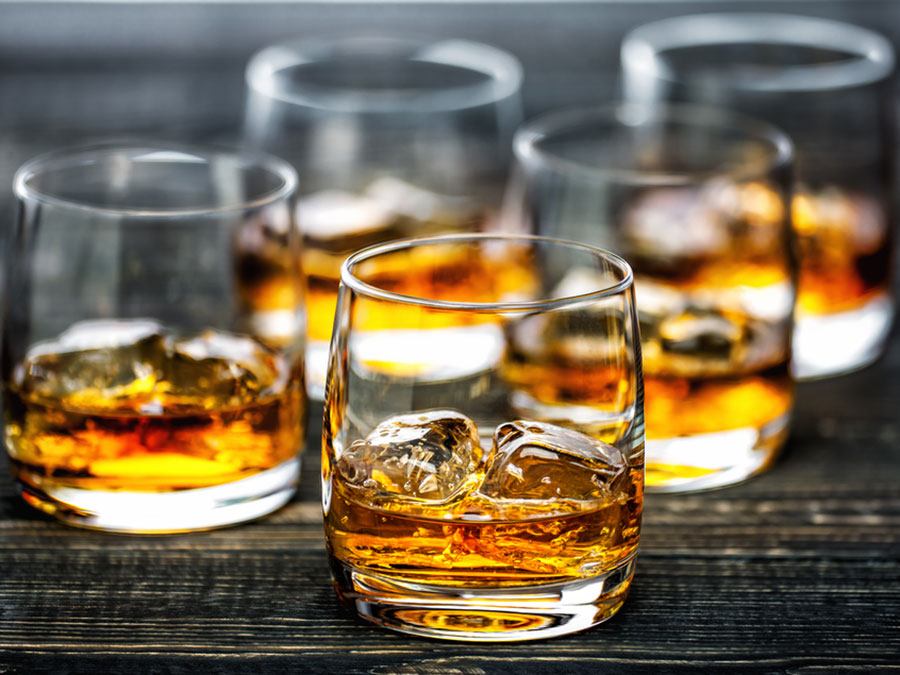
Everyone knows the saying ‘ageing like a fine wine’, but may not know this applies to whiskey too. The only difference is that whiskies only age in casks — once they’re bottled, they stop. But what does ageing actually involve?
Whiskey maturation is an extraordinary process that needs time, wood, liquor and more time. Okay, it’s a bit more complicated than that. We’re about to reveal all.
Once the liquor is distilled, it is put into barrels. Long periods of ageing eliminate harsh flavours from the raw alcohol and allow the whiskey to actually extract flavour and colour from the wood. The type of barrel used for maturation is usually determined by the master blender, who seeks to achieve a particular character and maintain the style the distillery is known for.
The time required for the ageing process varies between spirits. Scotch whiskey must age for at least three years, whilst American ‘whiskey’ needs two. Many premium quality liquors will age for much longer. For example, The Macallan recently released a 72 year old whiskey that sold for tens of thousands.
The barrel adds flavour by mellowing out any harsh notes through absorption. So when you see whiskey notes with phrases like ‘oakiness’ or ‘undertones of charred oak,’ this refers to the elements that come from the oak barrels.
Depending on the species of oak used, different flavours can be curated. For example, American white oak creates a soft, vanilla, caramel-like taste, whilst European oak causes the drink to be more spicy and bitter.
Oak barrels are most common because of the wood’s distinct physical and chemical nature: oak is pure wood. Since the purity adds taste and aroma to the spirit, it is therefore preferable to other types like rubberwood or pine, though occasionally hickory and maple are used.
In addition to adding flavour, barrels help filter out unwanted stuff too.
Traditionally, whiskey barrels are either toasted or charred to create a layer of charcoal that filters out unpleasant tastes from the raw spirit. Bourbon casks are usually charred, while sherry casks are toasted.
If whiskey was not aged in oak barrels, it would be clear like gin and vodka. It’s the barrels that give it its distinctive golden colour. Alcohol is a solvent, which means it withdraws flavour and pigment compounds from the oak it is aged in.
The longer time a whiskey spends in a barrel, the darker the colour. Moonshine is the only clear whiskey because it is doesn't age.
Comments will be approved before showing up.


