
Your Cart is Empty


- Champagne
- Gifts & Hampers
- Whisky & Spirits
- Wine
- Caviar & Gourmet
- Same-Day Delivery
- Beer
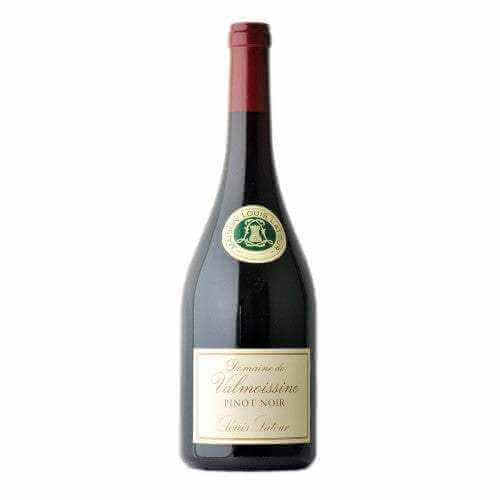
Most red wine shows best between 14°C and 18°C — noticeably cooler than a heated British living room, which usually sits around 21–22°C. Lighter reds such as Beaujolais and young Pinot Noir are better still at 12–14°C. Twenty minutes in the fridge is enough to correct most bottles.
"Serve red at room temperature" is the most repeated and least useful advice in wine. It comes from an era of unheated stone houses where a room sat at about 15°C. Central heating broke the rule, and nobody updated it.
Above roughly 20°C, alcohol becomes more volatile and dominates the aroma. The wine smells hot and slightly spirity, the fruit flattens, and any rough edges in the tannin feel more obvious. A good bottle served at 22°C can taste like a mediocre one.
Too cold is a real fault too, just less common. Below about 10°C tannins taste harsher and more drying, and aromatics shut down. Reds pulled straight from a 4°C fridge and poured immediately are muted and angular — which is why the advice is 20 minutes, not an hour.
| Style | Serve at | Examples |
|---|---|---|
| Light, low-tannin reds | 12–14°C | Beaujolais, Gamay, young Pinot Noir, Valpolicella |
| Medium-bodied reds | 14–16°C | Chianti, Barbera, Grenache, lighter Burgundy |
| Fuller reds | 15–17°C | Merlot, Malbec, Rioja, Côtes du Rhône |
| Full-bodied, structured reds | 16–18°C | Cabernet Sauvignon, Bordeaux, Syrah, Barolo |
| Fortified | 14–16°C | Port, Madeira |
The pattern is simple: the more tannin and body a wine has, the warmer it wants to be. Tannin needs a little warmth to feel supple; delicate fruit needs coolness to stay fresh.
A domestic fridge runs at about 4–5°C, and a bottle at 21°C loses roughly 4–5°C in twenty minutes. So:
The back of your hand is a decent gauge. A correctly served red should feel distinctly cool against the skin without feeling cold. If the bottle feels neutral — the same as the room — it is too warm.
Never warm a bottle in a microwave, under a hot tap, or next to a radiator. Rapid uneven heating dulls aromatics, and you cannot undo it.
A poured glass gains a degree or two within a few minutes, faster if you cup the bowl. This is the argument for serving slightly cooler than your target: pour at the lower end of the range and the wine drifts up into it while you drink, which is exactly what you want.
It is also why wine glasses have stems. Holding the bowl transfers heat from your hand straight into the wine.
The same principle runs in the other direction — most whites are served too cold. Full-bodied whites such as oaked Chardonnay show far more at 10–12°C than straight from the fridge. Crisp whites and rosé suit 7–9°C, and champagne sits at 8–10°C, or 10–12°C for vintage and prestige cuvées.
If a white tastes of nothing, let it warm for ten minutes before deciding you dislike it.
Between 14 and 18°C for most reds, and 12 to 14°C for light styles such as Beaujolais or young Pinot Noir. That is cooler than a typical heated UK room at 21 to 22°C.
Yes, briefly. Twenty minutes drops a bottle by roughly 4 to 5°C, which is usually enough to bring a warm room-temperature red into range. Longer for lighter styles.
Alcohol becomes more volatile and dominates the aroma, so the wine smells hot and spirity, the fruit flattens and the tannins feel rougher.
Yes. Below about 10°C tannins taste harsher and more drying, and the aromatics shut down. A red poured straight from a 4°C fridge will taste muted.
Browse Bordeaux, Burgundy or see how wine delivery works — same day across London, next day UK-wide. For keeping bottles in good condition at home, see our wine storage checklist, and more serving answers on our questions answered page.
Deliveries are to over-18s only under our Challenge 25 policy. Please drink responsibly.