
Your Cart is Empty


- Champagne
- Gifts & Hampers
- Whisky & Spirits
- Wine
- Caviar & Gourmet
- Same-Day Delivery
- Beer
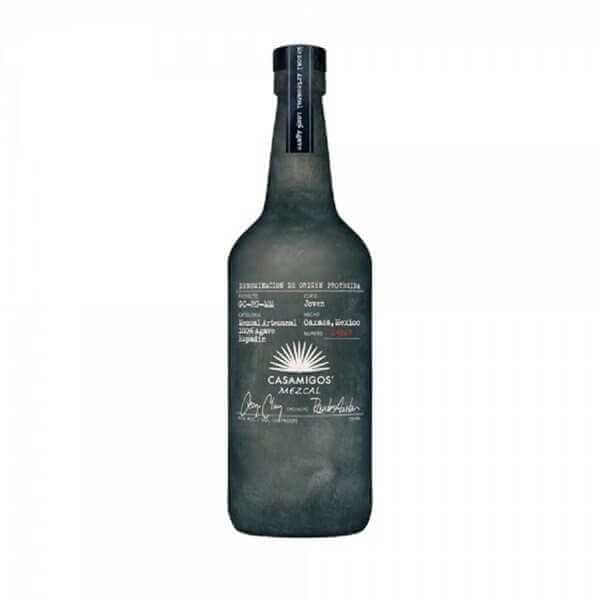
Both are Mexican spirits distilled from agave. Tequila must be made from blue Weber agave, mainly in Jalisco, and its agave is usually steamed. Mezcal can use dozens of agave species, most of it comes from Oaxaca, and the agave is traditionally roasted in earth pits, which gives mezcal its smoky flavour. Drinks House 247 stocks both.
Tequila and mezcal come from the same family of plants and the same country, and for a long time tequila was simply the best-known mezcal, named after the town of Tequila in Jalisco. Today they are separate spirits, each protected by its own designation of origin and its own rules. The differences come down to four things: the plant, the place, the cooking and the regulations.
| Tequila | Mezcal | |
|---|---|---|
| Agave | Blue Weber agave (Agave tequilana) only | Many species; espadín is the most common, alongside wild agaves such as tobalá and tepeztate |
| Where it is made | Jalisco, plus defined areas of Guanajuato, Michoacán, Nayarit and Tamaulipas | Several states, with Oaxaca producing the large majority |
| How the agave is cooked | Usually steamed in brick ovens or stainless-steel autoclaves | Traditionally roasted in earth pits lined with hot stones and wood |
| Typical flavour | Cooked agave, pepper, citrus and herbs; oak and vanilla when aged | Cooked agave with smoke, plus earthy, mineral, floral or fruity notes depending on the agave |
| Agave content | At least 51% agave sugars; the best bottles say "100% agave" | Must be 100% agave |
| Aged styles | Blanco, reposado, añejo, extra añejo | Joven, reposado, añejo, and madurado en vidrio (rested in glass) |
Historically, yes. "Mezcal" was the general name for spirits distilled from cooked agave, and tequila grew out of that tradition in Jalisco. Legally, the two have been separated: tequila has its own designation of origin and standard, and so does mezcal. A spirit made from blue Weber agave in Jalisco is sold as tequila, and a bottle labelled mezcal must follow the mezcal rules. So the old saying that "all tequila is mezcal, but not all mezcal is tequila" is true as history, but not as a description of how either is labelled today.
The smoke comes from how the agave hearts, called piñas, are cooked. For traditional mezcal they are buried in a conical pit lined with volcanic stones that have been heated by a wood fire, then covered with earth and left to roast for several days. The smoke from the wood soaks into the agave, and it carries through into the finished spirit.
Most tequila is made from agave cooked with steam in above-ground ovens or pressure cookers called autoclaves. There is no wood fire in contact with the agave, so tequila tastes of sweet cooked agave rather than smoke. The level of smoke in mezcal varies widely: some are gently smoky, others intensely so.
Mezcal labels often carry one of three production categories:
These describe how it was made, not how good it is, but they tell you a great deal about the style to expect.
Some mezcals, mostly made for export, contain a larva in the bottle. It is a marketing custom rather than a tradition of quality, and most respected producers do not use it. You will not find one in tequila.
Both spirits can be bottled unaged or rested in wood. For tequila, blanco is unaged or rested for under two months, reposado spends two months to a year in oak, añejo spends one to three years, and extra añejo spends more than three. Mezcal uses similar terms, and many mezcal makers prefer to bottle unaged spirit so that the character of the agave comes through. Madurado en vidrio means the mezcal has rested in glass for at least a year, softening it without adding wood flavour.
Traditionally, mezcal is sipped slowly from a small cup, often with slices of orange alongside. It is not a spirit for shots: the flavour is the point.
Tequila must be made from blue Weber agave, mainly in Jalisco, and its agave is usually steamed. Mezcal can be made from many agave species, mostly in Oaxaca, and is traditionally roasted in earth pits, giving it a smoky flavour.
Historically, tequila began as a regional mezcal from Jalisco. Today the two have separate designations of origin and separate rules, so each is labelled and regulated as its own spirit.
For traditional mezcal the agave hearts are roasted for several days in pits lined with hot stones and wood, and the smoke passes into the spirit. Tequila agave is usually steamed, so it does not taste smoky.
Both are commonly bottled at around 38% to 40% ABV, but many mezcals are bottled stronger, often in the mid-40s or higher. Check the ABV on the label.
Browse our mezcal, blanco tequila, reposado tequila and añejo tequila, or see how tequila delivery works across London. For storage tips, read whether you should refrigerate tequila.
Deliveries are to over-18s only under our Challenge 25 policy. Please drink responsibly.