现已开放 | 伦敦当日送达及英国次日送达(礼品选项)
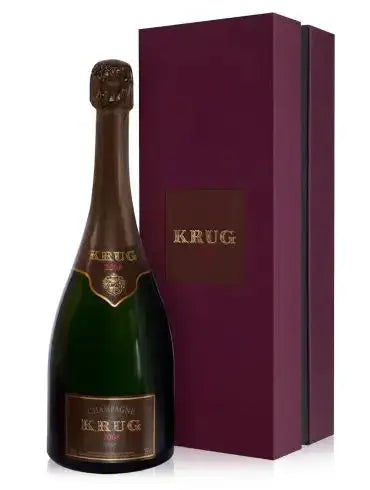
Some champagne does. Non-vintage champagne is made to be enjoyed within a few years of release, while vintage and prestige cuvées can develop for ten years or more, gaining honey, toast and nutty notes as the bubbles soften. Drinks House 247 notes that aged champagne is a matter of taste, and it only improves if stored cool, dark and steady.
Champagne is usually opened soon after it is bought, and most of it is meant to be. But some bottles change remarkably with time, and in Britain there is a long tradition of drinking champagne older and more mature than the French typically do. Whether that counts as improvement depends on what you like in a glass.
Every champagne goes through a second fermentation in the bottle, which creates the bubbles and leaves behind dead yeast cells, called lees. The wine then rests on these lees, sometimes for years. During this time a process called autolysis releases compounds that give champagne its brioche, biscuit and creamy character. The legal minimum is 15 months in total for non-vintage and three years for vintage, but many houses age far longer.
When the lees are removed, a step called disgorgement, the bottle is topped up, corked and released. From then on it ages differently, in contact with the small amount of oxygen that comes through the cork.
| Type | Made to drink | Typical window after release |
|---|---|---|
| Non-vintage brut | On release | Best within 2 to 3 years; some improve slightly with a year or two |
| Non-vintage rosé | On release | Best within 2 to 3 years, while the fruit is fresh |
| Vintage | On release or later | Often 5 to 15 years, depending on the house and the year |
| Prestige cuvée | Usually rewards keeping | Often 10 to 20 years or more |
| Blanc de blancs from top villages | Usually rewards keeping | Can develop for a decade or more |
These are general ranges. A strong vintage from a top house may last far longer; a weaker one may be at its best sooner.
Some people love these mature flavours; others prefer champagne bright and fresh. Neither is wrong, but it is worth knowing which you prefer before laying bottles down.
They are made from the best grapes in good years, usually with more concentration and higher acidity, which act like a backbone for the wine to develop around. They have also spent longer on their lees before release, which builds structure. Non-vintage champagne is blended for freshness and consistency, so it has less to gain from extra time.
Yes, for anyone ageing champagne. Some producers print the disgorgement date on the back label. It tells you how long the bottle has been ageing since its lees were removed, which is the clock that matters once you buy it. A non-vintage disgorged three years ago will taste more mature than one disgorged last spring, even if the labels look identical.
Signs include very few bubbles, a brown rather than golden colour, and a flat, sherry-like or stale smell. A gently fading champagne can still be pleasant, but if it smells musty or of wet cardboard, the cork is likely tainted.
For most people, the best approach is simple: drink non-vintage within a year or two of buying it, and keep a vintage bottle for a few years if you have a cool, dark place. If you want to try mature champagne without waiting, look for late-disgorged releases, which houses age for many years in their own cellars before release.
Vintage and prestige champagnes can develop for a decade or more, gaining honey, toast and nutty notes. Non-vintage champagne is made to drink within a few years of release.
It is best within two to three years of release. It will not become unsafe after that, but it gradually loses freshness.
Often five to fifteen years, and longer for top houses and strong years, if stored at a steady 10 to 13°C in the dark.
The date the yeast sediment was removed and the bottle was corked for release. It shows how long the champagne has aged since leaving the producer's cellar.
Browse our champagne collection, standard 75cl bottles and magnums, or see how champagne delivery works across London. For storage and the top tier, read how long champagne lasts unopened, prestige cuvée champagne explained and why Krug is so expensive.
Deliveries are to over-18s only under our Challenge 25 policy. Please drink responsibly.


