现已开放 | 伦敦当日送达及英国次日送达(礼品选项)
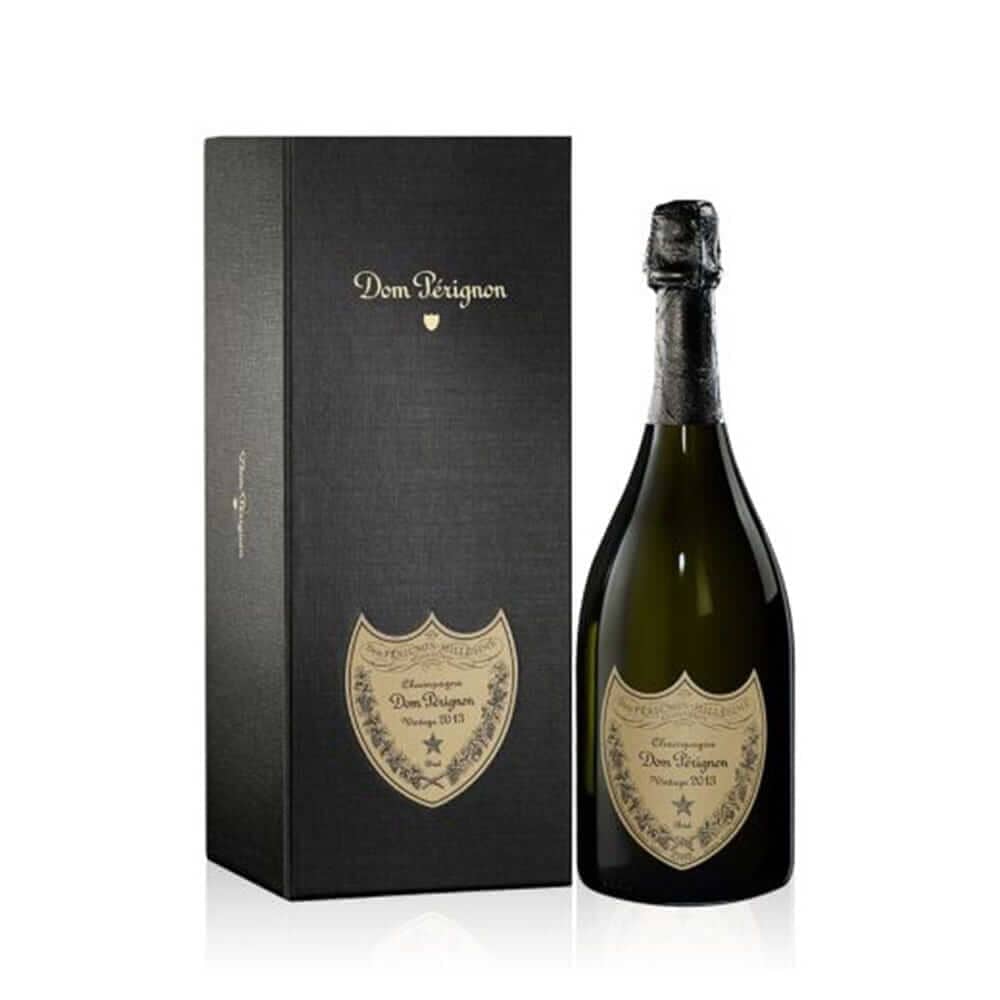
Unopened non-vintage champagne is at its best within about three to four years of purchase, and vintage champagne keeps for five to ten years or longer. Drinks House 247 advises storing bottles somewhere dark, cool and steady, ideally 10 to 13°C. Champagne does not expire like food; it slowly loses freshness and fizz.
Most champagne is bought for a moment, then forgotten at the back of a cupboard when the moment moves. Whether that bottle is still worth opening depends on two things: what kind of champagne it is, and where it has been sitting.
Not in the way milk does. There is no date after which an unopened bottle becomes something other than wine. What changes is quality. Over time the fresh fruit fades, the bubbles become softer, and the wine develops nutty, toasty and eventually sherry-like flavours. Some drinkers enjoy that evolution in a good vintage. In a basic non-vintage bottle kept in a warm kitchen, it simply tastes tired.
Most champagne bottles carry no "best before" date. Some houses print a disgorgement date on the back label, which is the most useful clue you have: it tells you when the wine was finished and corked, and so how long it has been ageing since.
| Style | Keeps well unopened | What happens with age |
|---|---|---|
| Non-vintage brut | 3–4 years from purchase | Loses freshness and citrus; bubbles soften |
| Non-vintage rosé | 2–3 years from purchase | Red-fruit character fades first; colour turns towards onion-skin |
| Vintage champagne | 5–10 years or more | Gains brioche, honey and nutty depth if stored well |
| Prestige cuvées | 10–20 years or more | Built for long ageing; many are released only when already mature |
| Demi-sec and sweeter styles | 3–5 years | Sweetness becomes more caramel-like |
These are windows for enjoyment, not cliffs. A well-stored non-vintage bottle at five years is often perfectly pleasant, just different. A badly stored one at two years can already be past its best.
Three things damage champagne in a bottle: heat, light and movement.
The ideal is a steady 10 to 13°C in the dark: a cellar, a wine fridge, or the coolest cupboard in the house away from appliances and radiators.
For days or a couple of weeks, yes. For months, no. A domestic fridge is dry, cold and vibrates, and over a long period the cork can dry out and let the wine oxidise. Chill champagne for the occasion, not for storage. A bottle needs around three hours in the fridge to reach serving temperature of 8 to 10°C.
For short-term storage, upright is fine: the carbon dioxide in the neck keeps the cork humid. For keeping a bottle over several years, lying it on its side is the conventional advice, and it is what most cellars do. Either way, the conditions around the bottle matter far more than its angle.
You cannot judge from the outside with much confidence, but a few signs are worth checking before a special occasion:
A tired bottle is not dangerous. It is simply disappointing, and it can still be used for cooking, a sparkling cocktail or a risotto.
For vintage and prestige bottles bought from a reliable source, yes, if you have proper storage. For non-vintage brut, the honest answer is usually no. Houses release non-vintage champagne to be drunk on release, blended for a consistent, fresh style. A few extra months will not hurt it, but you are unlikely to improve it at home, and you take on the risk of poor storage. Buy non-vintage for the occasion; save the cellaring for vintage.
Non-vintage champagne is best within about three to four years of purchase. Vintage champagne keeps for five to ten years or more, and prestige cuvées often longer, provided they are stored cool and dark.
It does not expire like food, but it slowly loses freshness and fizz and develops nutty, sherry-like flavours. A badly stored bottle can taste tired within two years.
For a few days or weeks, yes. For months, no, because a domestic fridge is dry and can dry out the cork. Store it at 10 to 13°C in the dark and chill it for about three hours before serving.
Look for a shrunken or leaking cork, a deep gold or brown colour in a wine that should be pale, very few bubbles, and a strong sherry or stewed-apple smell.
Browse our champagne range, including rosé champagne, or see how champagne delivery works across London, day and night. For keeping bottles at home, see our wine storage checklist.
Deliveries are to over-18s only under our Challenge 25 policy. Please drink responsibly.


