
Your Cart is Empty


- Champagne
- Gifts & Hampers
- Whisky & Spirits
- Wine
- Caviar & Gourmet
- Same-Day Delivery
- Beer
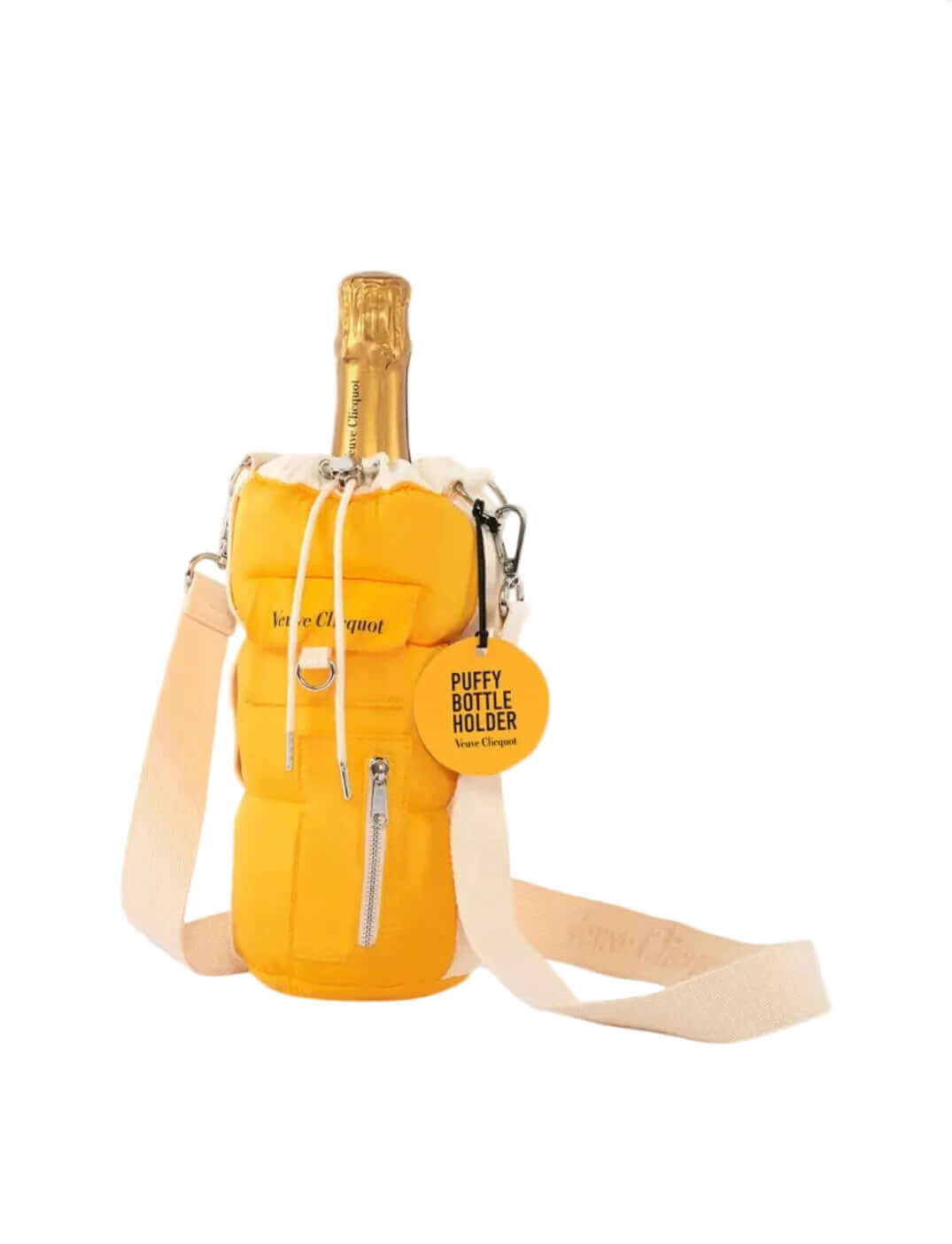
Short answer: The difference is sugar. Brut champagne contains up to 12 grams of sugar per litre; Extra Brut contains up to 6 grams per litre — roughly half as much or less. Both are dry styles, but Extra Brut is noticeably crisper and less forgiving of a poor base wine, since there's less sugar to soften sharp acidity.
Champagne sweetness is regulated and labelled by precise sugar content (called "dosage"), not marketing language. Here's the full official scale, from driest to sweetest:
| Style | Sugar (grams per litre) |
|---|---|
| Brut Nature | 0-3g, no sugar added |
| Extra Brut | 0-6g |
| Brut | 0-12g |
| Extra Dry (Extra Sec) | 12-17g |
| Sec | 17-32g |
| Demi-Sec | 32-50g |
| Doux | 50g+ |
Note the overlap: a Brut Nature (0-3g) and an Extra Brut (0-6g) could theoretically contain similar sugar levels, but Extra Brut allows up to double the maximum. In practice, most Brut champagnes sit around 6-9g, while Extra Brut producers typically aim for 2-5g — so the real-world difference is usually more pronounced than the ranges alone suggest.
Brut is by far the most widely produced champagne style — most of the bottles you'll recognise (Veuve Clicquot Yellow Label, Moët Impérial, Laurent-Perrier La Cuvée) are Brut. This isn't an accident: a small amount of sugar acts as a buffer, rounding out sharp acidity and covering minor imperfections in the base wine. It's a genuinely versatile, food-friendly, crowd-pleasing style, which is exactly why it dominates the market.
Extra Brut removes that buffer. With less sugar to soften things, an Extra Brut champagne has nowhere to hide — the quality of the fruit and the winemaking shows through directly. This is why Extra Brut tends to be made by producers confident in their base wine, often smaller or grower-focused houses, rather than being a default style for mass-market brands.
Brut — balanced and approachable. You'll notice ripe orchard fruit (apple, pear), brioche or toasted notes from ageing, and a smooth, rounded finish. The sugar is there to soften, not sweeten — it shouldn't taste sweet, just less austere.
Extra Brut — sharper, more mineral, more linear. Expect pronounced citrus, green apple, and a chalky or flinty edge, especially in Chardonnay-led examples. The finish is drier and more direct. Some people describe it as "more serious" or "more food-focused" — it tends to pair better with rich, fatty, or briny foods than with drinking on its own.
If you're buying for a gift, a party, or someone whose palate you don't know well, Brut is the safer choice — it's what most people expect champagne to taste like, and it's genuinely hard to get wrong. If you or the recipient already know they prefer very dry, crisp wines (think Chablis or unoaked Sauvignon Blanc), or you're pairing with oysters, sushi, or other briny food, Extra Brut is worth seeking out specifically.
We stock both Brut and Extra Brut champagnes across our full champagne collection, with same-day delivery across London and next-day UK-wide.
Please enjoy responsibly. drinkaware.co.uk
Comments will be approved before showing up.