
Your Cart is Empty


- Champagne
- Gifts & Hampers
- Whisky & Spirits
- Wine
- Caviar & Gourmet
- Same-Day Delivery
- Beer
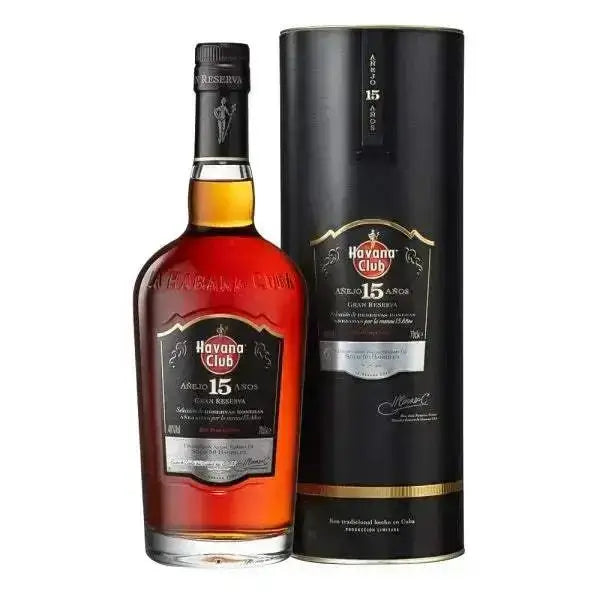
Rum is the most varied spirit category in existence and the least well explained. Whisky drinkers can rely on region and age statement to tell them roughly what is in the bottle. Rum offers no such comfort. Two bottles side by side, both labelled rum, both aged, both from the Caribbean, can be as different as vodka and Islay whisky.
That variety is exactly what makes it rewarding once you have a few reference points. This sipping rum guide is about establishing those points, so that you can walk past a shelf and make a sensible guess at what is inside.
The single most useful thing to know about a rum is what kind of still it came out of. Column stills run continuously and produce a light, clean, high-strength spirit with relatively little flavour carried over. Pot stills work in batches, are far less efficient at stripping out the heavier compounds, and produce a spirit thick with flavour: overripe fruit, banana, olive brine, engine oil, tropical funk.
Neither is better. Column-still rum is the backbone of most mixing rum and of the lighter Spanish-influenced styles, and made well it is elegant. Pot-still rum is where the intensity lives, and it is generally what you want if you are drinking neat.
Most of the best sipping rums are blends of the two, using column spirit for structure and pot spirit for character. If a label mentions pot still at all, it is telling you something useful. If it says nothing, assume column.
Tropical heat changes everything about maturation. Spirit resting in a warehouse in Barbados or Jamaica interacts with oak far more aggressively than the same spirit would in Scotland, and it evaporates at roughly three to four times the rate. A Caribbean warehouse can lose 6 to 8 per cent of its volume a year against about 2 per cent in a Scottish one.
The practical consequence is that a six or seven year old tropically aged rum often has the depth of a considerably older northern-aged whisky, and that very old rums are genuinely rare and expensive because so little survives. Do not dismiss a rum for being young.
Be cautious with two labelling practices. A solera age statement usually refers to the oldest component in a blend rather than the youngest, which is the opposite of how whisky works. And a number on a bottle with no unit attached is sometimes a batch or recipe number rather than an age. If the label does not say years, it may well not mean years.
Unlike Scotch, most rum-producing regions permit sweetening after distillation, and a number of well-known bottlings contain a meaningful amount of added sugar. It is legal and it is not a scandal, but it does matter to a beginner, because sugar rounds off edges and makes a spirit taste smoother, richer and older than it is.
The problem for learning is that it flattens the differences you are trying to detect. If your first three rums are all heavily sweetened, they will all taste broadly similar and you will conclude that rum is a fairly narrow category.
Look for producers who state that nothing has been added after distillation. Rums from Barbados, Jamaica and the French islands are generally unsweetened by tradition or regulation, and they are the best place to begin building a palate.
Jamaica is the home of high-ester rum, with pronounced overripe banana, pineapple and a distinctive funk that comes from long fermentation. It is polarising and it is the fastest way to discover whether you like pot-still character.
Barbados sits in the middle and is probably the best starting point of all. Blended pot and column rums with toffee, banana, toasted coconut and a clean finish, dry rather than sweet, and rarely difficult.
Guyana produces the Demerara style from a famous collection of wooden stills, giving a rich, smoky, treacle-and-liquorice profile that stands up to anything.
The Spanish-speaking tradition, covering Cuba, Panama, Venezuela and much of Central America, favours lighter column-still rums, often softer and sweeter, and generally more approachable but less distinctive.
Martinique and Guadeloupe make rhum agricole from fresh cane juice rather than molasses, which produces a grassy, vegetal, almost peppery spirit unlike anything else in the category. It divides opinion sharply and is worth trying early so you know where you stand.
You will find examples of several of these traditions in the spirits range.
Use a copita or a small tulip-shaped glass rather than a heavy tumbler. A wide-mouthed glass lets aroma escape, and rum is a spirit where aroma carries most of the interest.
Serve at room temperature to begin with, no ice. Cold suppresses the fruit and the oak notes you are trying to identify. Nose it gently with your mouth slightly open, and do not stick your nose deep into the glass, since the alcohol vapour will overwhelm everything else.
Take a small sip and let it sit on the tongue before swallowing. Then add two or three drops of still water and taste it again. Water lowers the alcohol strength enough to release aromatic compounds, and the difference is often dramatic, particularly with anything bottled above 46 per cent.
Only after all of that should you try it with a single large ice cube, if you want to. A big cube dilutes slowly, which is exactly what you want in a spirit you intend to spend half an hour with.
Three bottles will teach you more than any amount of reading. Start with a Barbadian blend as your reference point, add a Jamaican pot-still rum to understand what ester character means, and add a Demerara for richness and depth. Taste them side by side in small measures rather than working through one bottle at a time, because the contrasts are what teach you.
Add an agricole fourth if the first three have gone well, and expect to either love it or find it baffling. Both reactions are common and neither is wrong.
If you fancy starting tonight, we deliver across London inside the M25 in 30 to 45 minutes, 24 hours a day, along with mixers, ice and anything from the beer and wine shelves. Have a look at the areas we cover, and get a proper glass out before the bottle arrives.
Please drink responsibly. Drinks House 247 operates a Challenge 25 policy - you must be 18 or over to order, and our drivers will ask for photo ID if you look under 25.
Comments will be approved before showing up.