现已开放 | 伦敦当日送达及英国次日送达(礼品选项)
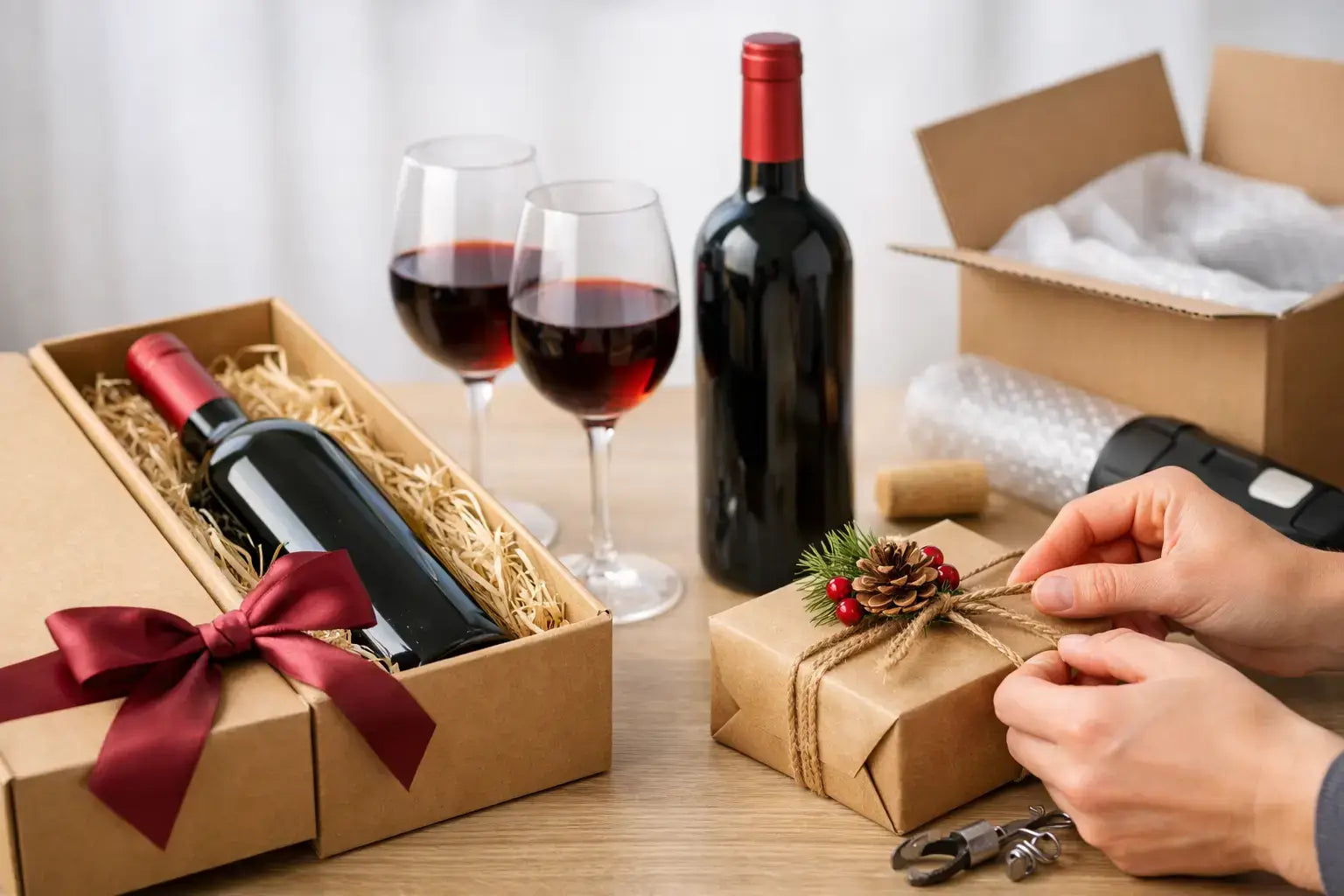
A bottle sent at the right moment can feel sharp, generous and genuinely memorable. A bottle sent badly can feel generic, late or oddly chosen. If you are working out how to send wine gifts, the difference usually comes down to three things: picking the right style, matching it to the occasion and making sure delivery is handled properly.
Wine gifting is not complicated, but it does reward a bit of judgement. You do not need to be a collector or know every vineyard in Burgundy. You do need to think about who it is for, when it needs to arrive and whether you want the gift to feel easy-going, impressive or distinctly luxurious.
The occasion should do most of the decision-making for you. A birthday bottle can be playful or indulgent. An anniversary gift usually needs more polish. A thank-you gift for a client or colleague should feel tasteful without becoming overly personal.
For birthdays, fruit-forward reds, crisp Sauvignon Blanc, Provence rosé and reliable Champagne are all safe choices because they suit a wide range of palates. If the recipient enjoys entertaining, a magnum or a wine and chocolate gift set can land better than a single bottle. It feels more generous and more occasion-ready.
For anniversaries, weddings and major celebrations, presentation matters almost as much as the wine itself. This is where fine Champagne, vintage wine or a smartly packed gift set earns its place. The gift needs to look deliberate. If the budget allows, choosing a recognised house or a bottle from a respected region usually gives the recipient confidence before they have even opened it.
Corporate gifting is slightly different. You want something premium, but neutral enough to work across different tastes and professional relationships. Well-known Champagne, elegant red blends and polished gift hampers are usually stronger options than niche natural wines or highly unusual styles. Distinctive can be excellent, but in business gifting, recognisable quality often works harder.
Most gifting mistakes happen when the sender buys what they like rather than what the other person will enjoy. If the recipient drinks bold reds, a delicate white Burgundy may be impressive but still miss the mark. If they love celebratory moments, Champagne can be a better choice than an expensive still wine.
If you know their preferences, use them. Think in simple terms: red, white, rosé, sparkling, sweet or fortified. Then narrow it down by style. Do they prefer rich and full-bodied, or light and fresh? Old World classics, or New World fruit? Traditional labels, or something more modern?
If you do not know what they drink, go broad rather than niche. A good Prosecco, a dependable Champagne, a smooth Rioja, a balanced Malbec or a fresh Sauvignon Blanc tends to be easier to gift than orange wine, very dry Riesling or heavily oaked Chardonnay. Specialist bottles can be excellent, but they work best when you know the recipient has that taste.
Sometimes the point of the gift is not just flavour. It is status, celebration and visibility. If you are sending thanks after a big deal, marking a milestone birthday or need a gift to arrive with presence, recognised names matter. Grande marque Champagne, fine Bordeaux, top Barolo or a vintage bottle can signal that this is not an afterthought.
That does not always mean spending the most. It means picking something with clear gift value. A bottle that looks premium, carries a trusted region or producer, and suits the occasion will usually outperform an obscure but technically brilliant wine in gifting terms.
A wine gift is only a good gift if it arrives on time, in good condition and with the right presentation. That sounds obvious, yet this is where many orders fall apart.
Before you buy, check the delivery window properly. If it is an urgent present for that evening, same day delivery is the priority. If it is planned gifting for the next day, you have more room to choose a broader gift set or premium bottle. The key is matching the fulfilment option to the deadline instead of assuming all retailers handle alcohol gifting the same way.
This is especially relevant if you are sending to Greater London at short notice or arranging next-day gifting elsewhere in the UK. Speed is valuable, but reliability is what protects the moment. A birthday bottle arriving a day late stops being thoughtful and starts becoming apologetic.
Packaging also matters. A premium wine in poor outer packaging feels less premium the second it lands. If you are sending wine as a proper gift rather than a practical bottle drop, choose options that include gift boxes, presentation packaging or add-ons such as chocolate or flowers where appropriate.
The personal note is where a wine gift stops feeling transactional. It does not need to be long. In fact, short is usually better. A warm thank you, a simple happy birthday or a direct congratulations message is often enough.
What matters is tone. For personal gifting, write like yourself. For corporate gifting, keep it polished and brief. Avoid overexplaining the wine unless the recipient is known to care about regions and vintages. Most people want a gift that feels easy to receive, not a tasting lecture.
There is no single best format. It depends on what the gift needs to do.
A single bottle works when the wine itself carries enough value, either because it is premium, recognisable or perfectly chosen. This can be ideal for elegant thank-you gifts, smaller occasions or recipients with very specific tastes.
A pair of bottles gives the gift more substance. It can also reduce the risk of choosing badly, especially if you send one red and one white, or one still and one sparkling. This format suits households, couples and recipients who enjoy trying different styles.
Gift sets are the strongest option when presentation is part of the brief. Wine with chocolates, Champagne with flutes, or a larger celebratory hamper can feel more complete and more occasion-led. They are particularly useful for weddings, Christmas, work gifting and milestone birthdays, where the recipient is likely to open the gift in front of others.
You do not need to overspend to send wine well. You do need to spend in the right place.
If your budget is modest, prioritise reliability, attractive packaging and broadly appealing wine styles. A well-selected bottle with clean presentation will beat an overambitious choice from a weak producer every time.
As the budget moves up, spend on one of three things: a better-known label, a stronger region, or a more giftable format such as Champagne, magnums or curated sets. Those upgrades are visible. They communicate value quickly.
Where people often waste money is chasing rarity for its own sake. Unless the recipient is a wine enthusiast, scarcity is not necessarily meaningful. Prestige, suitability and presentation usually matter more.
The first mistake is ignoring the recipient's taste. The second is leaving delivery too late. The third is choosing a wine that makes sense on paper but not as a gift.
Very dry, very tannic or highly unusual bottles can be brilliant in the right hands, but they are risky if you are buying blind. The same goes for intensely personal choices in corporate settings. Keep the gifting brief in mind. Are you trying to impress, reassure, celebrate or simply send something thoughtful and fast?
Another common mistake is forgetting practicalities. Someone needs to be available to receive the order. The address needs to be accurate. The gift message needs to be attached. This sounds basic, but in last-minute gifting, those details are often what decide whether the experience feels premium or chaotic.
If speed matters, simplify the decision. Choose by occasion, then by style, then by delivery window. That is usually enough.
For example, if it is a same-day birthday gift, a quality Champagne or a polished wine gift set is hard to fault. If it is a next-day thank-you gift for a client, choose a recognised label with clean presentation. If it is a spontaneous romantic gesture, sparkling wine, rosé or a wine-and-chocolate pairing often feels more intentional than a random red.
This is where a retailer with both broad selection and dependable fulfilment has a real advantage. Drinks House 247, for example, is built around that exact problem: premium drinks gifting with the option of urgent delivery in London and next-day gifting more widely across the UK.
Sending wine should not feel like a gamble. The best gifts are the ones that arrive on time, suit the recipient and feel considered the second they are opened. Get those three things right, and even a last-minute order can look impeccably planned.
The smartest wine gift is rarely the most complicated one - it is the bottle, set or Champagne that fits the moment perfectly and gets there when it should.
张贴前管理员会先审核您的留言


