现已开放 | 伦敦当日送达及英国次日送达(礼品选项)
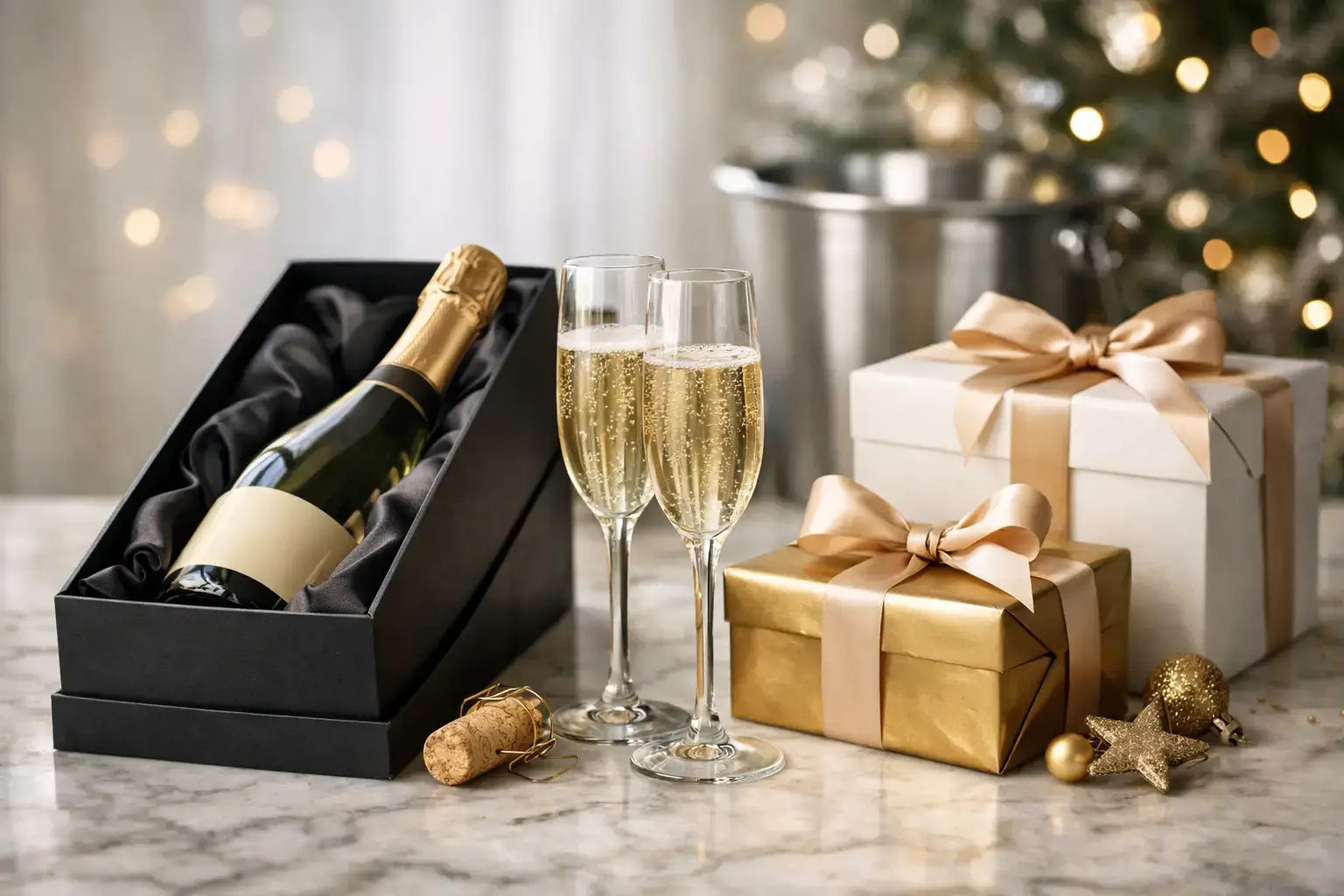
Sending Champagne sounds easy until you have to choose the bottle. The best champagne for gifting is not always the most expensive label on the page. It is the bottle that fits the occasion, the recipient and the impression you want to make - polished, generous, celebratory, or quietly knowledgeable.
That matters whether you are arranging a birthday surprise, a thank-you gift, a wedding present or a corporate delivery that needs to feel premium without trying too hard. A good gift bottle should look the part, drink well and arrive as though you planned it days ago, even if the order happens at the last minute.
Start with the recipient, not the brand name. If they already enjoy Champagne, they may appreciate a grower bottle, a blanc de blancs or a vintage with more character. If they simply love a proper celebration, a recognised house with a strong presentation often lands better.
This is where gifting differs from buying for your own fridge. Familiarity has value. A house that is widely known can feel more reassuring as a gift, especially for weddings, client thank-yous and milestone birthdays. On the other hand, if your recipient knows their wine, a thoughtful pick with a bit more personality can feel less obvious and more considered.
Budget matters too, but not in a blunt way. There is a clear difference between entry-level non-vintage Champagne, prestige cuvée and vintage releases, yet higher price does not automatically mean better gifting. A well-chosen non-vintage bottle from a respected house can be a smarter present than a pricier wine that does not suit the drinker.
Presentation also carries weight. Gift boxes, branded cartons and clean bottle design all help. If the bottle is for an anniversary, engagement or corporate occasion, that visual impact counts almost as much as the liquid.
For most occasions, non-vintage is the safest and strongest choice. It is consistent, balanced and built to represent the house style. This makes it ideal when you want a bottle that feels premium and reliable without entering collector territory.
Non-vintage Brut is especially useful for gifting because it suits a wide range of palates. It works as an all-round celebration bottle and pairs easily with canapés, seafood, fried food and lighter desserts. If you are sending one bottle and want the lowest risk of disappointment, this is usually it.
Vintage Champagne is a stronger statement. It suggests you have put real thought into the gift and chosen something more specific. It can be an excellent choice for landmark birthdays, retirements, weddings and important business milestones.
The trade-off is that vintage bottles can be more style-driven. Some are richer and toastier, some tighter and more mineral. That makes them more exciting for an informed drinker, but slightly less universal than a classic non-vintage Brut.
Made mainly from Chardonnay, blanc de blancs Champagne is often elegant, bright and refined. It makes a very good gift for someone who prefers fresher, more linear wines. It also suits modern gifting moments where you want something polished rather than flashy.
If the recipient enjoys crisp white Burgundy, Chablis or English sparkling wine, this style often makes sense. It feels sophisticated without being heavy.
Rosé is one of the best gifting options when appearance matters as much as taste. It looks celebratory straight away and often feels more personal than standard Brut. For birthdays, romantic occasions and stylish dinner-party gifts, it is hard to beat.
Still, rosé is not automatically the right answer for everyone. Some drinkers love the red-fruit character and soft texture, while others prefer the cleaner profile of classic Brut. If you are unsure, go rosé for people who enjoy Provence rosé, pink fizz or a more expressive glass.
If you need a dependable gift, certain names do a lot of the work for you. Moet and Chandon remains a strong all-purpose choice because it is instantly recognisable and feels celebratory. Veuve Clicquot has similar gifting power, with a slightly bolder image and standout presentation. Laurent-Perrier is often a smart middle ground - elegant, polished and popular with people who want something premium without feeling too obvious.
Bollinger suits recipients who enjoy richer, fuller styles. It is a good choice for dinner-party hosts and anyone who takes real pleasure in classic Champagne. Ruinart carries a more refined, design-led appeal, especially its blanc de blancs, which makes it a strong option for stylish gifting. Pol Roger can work brilliantly when you want tradition, restraint and quiet confidence rather than loud branding.
Then there is Dom Perignon and other prestige cuvées. These are not everyday gift bottles, but they make sense when the moment genuinely calls for it. Big anniversaries, major client wins and once-in-a-decade birthdays can justify stepping up. The key is not to force luxury for its own sake. A prestige label should match the importance of the occasion.
For birthdays, a classic Brut or rosé usually works best. You want something festive, easy to enjoy and visually strong. For weddings and engagements, lean towards established houses with elegant packaging. The gift should feel generous and polished, with broad appeal if the couple open it together.
For anniversaries, you can be more personal. If they enjoy richer styles, Bollinger or a vintage Champagne can feel more intimate and considered. For a thank-you gift, especially one sent quickly after a dinner or favour, non-vintage Champagne in a presentation box is often exactly right.
Corporate gifting needs a different filter. You want prestige, but not excess. Recognisable houses help because they are easy to appreciate and rarely awkward. This is also where presentation, bottle size and timing matter. A standard 75cl bottle is clean and practical, while a magnum can be excellent for team celebrations or higher-value relationships if the context supports it.
A standard bottle is still the default for good reason. It is easier to store, easier to open and suits almost every recipient. But larger formats can upgrade the gesture quickly.
A magnum feels more event-ready and more memorable. It is ideal for milestone celebrations, shared occasions and gifts that will be opened with a group. Half bottles can work for smaller, more personal gifts, though they generally have less impact if you are aiming for a premium impression.
The point is not to choose the biggest bottle available. It is to match the format to how the recipient is likely to use it. A magnum sent to a couple who love hosting can feel spot on. The same bottle sent to someone living alone may feel less practical.
There is usually a sweet spot in Champagne gifting where the bottle feels premium without becoming wasteful. For many buyers, that means choosing a respected non-vintage house rather than stretching into entry-level prestige cuvée. You get stronger consistency, recognisable branding and a bottle most people will genuinely enjoy.
If you want the gift to feel more elevated, spend the extra money on a better house style, a rosé, a vintage release or stronger presentation. Not every recipient notices vintage pedigree, but most people notice when the bottle looks considered and drinks beautifully.
That is especially relevant for last-minute orders. Speed matters, but a rushed gift should never look rushed. Good gifting comes from choosing within a clear range, not from overcomplicating the decision.
The biggest mistake is buying for your own taste. A very dry blanc de blancs or a niche grower Champagne might be brilliant, but if the recipient prefers familiar labels and softer fruit, it can miss the mark.
Another common error is overpaying for status when the occasion does not need it. Not every thank-you requires prestige cuvée. Equally, underbuying for a major moment can feel flat. Context matters.
It is also worth thinking about timing and presentation. Champagne is one of the few gifts where the arrival experience really shapes the impression. If the bottle turns up quickly, in good condition and ready to hand over, that convenience becomes part of the value. For buyers using a service such as Drinks House 247, that mix of fast fulfilment and premium selection is exactly what makes Champagne gifting easier.
If you want the safest answer, choose a respected non-vintage Brut from a leading house. It covers most occasions, suits most drinkers and looks right the moment it arrives. If you know the recipient better, use that knowledge. Go rosé for style and romance, blanc de blancs for elegance, vintage for significance, and prestige cuvée only when the moment truly earns it.
The best gift bottle is the one that feels well judged. Not random, not showy, not generic. Just right for the person receiving it and the occasion it is meant to mark. Get that balance right and Champagne does what few gifts can - it creates the celebration before the cork is even out.
张贴前管理员会先审核您的留言


