现已开放 | 伦敦当日送达及英国次日送达(礼品选项)
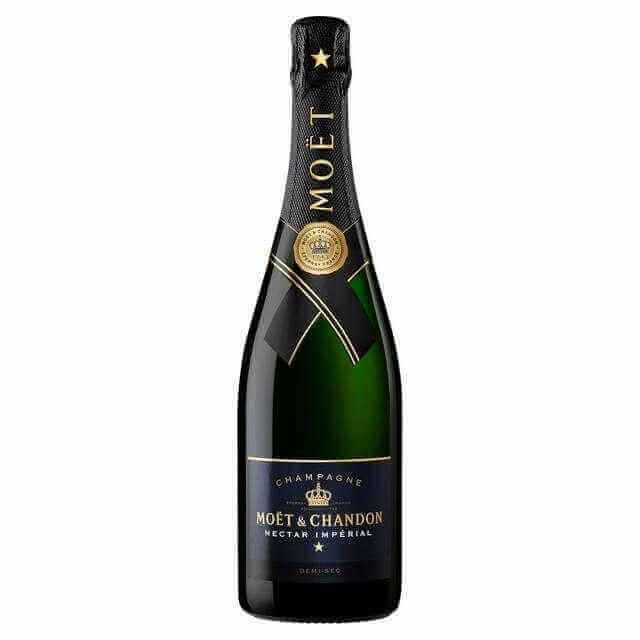
With a proper sparkling-wine stopper and a place in the fridge, an opened bottle of champagne keeps a pleasant fizz for about three to five days. Drinks House 247 suggests finishing it within two days for the liveliest bubbles. Cold is what slows the loss of carbon dioxide; a teaspoon in the neck does nothing.
An unopened bottle of champagne holds its carbon dioxide under roughly five to six atmospheres of pressure, about twice the pressure in a car tyre. The moment the cork comes out, that gas starts to leave. How long the wine stays enjoyable depends on two things you control: how well the bottle is sealed and how cold it is kept.
The bubbles are dissolved carbon dioxide. Liquids hold more gas when they are cold, so a warm open bottle sheds its fizz far faster than a cold one. Every time you pour, you also release gas from the surface and let more air into the bottle. The wine does not become unsafe as it goes flat; it simply loses its sparkle and, after a few days, its fresh fruit.
| How the bottle is kept | Still pleasantly sparkling | Notes |
|---|---|---|
| Hinged sparkling-wine stopper, in the fridge | 3 to 5 days | The best home option; the clamp grips the lip of the bottle |
| Original cork forced back in, in the fridge | About 1 day | The cork has expanded and rarely seals properly |
| Cling film and an elastic band, in the fridge | About 1 day | Better than nothing for an overnight gap |
| Teaspoon in the neck, in the fridge | Same as an open bottle in the fridge | The fridge is doing the work, not the spoon |
| Open, at room temperature | A few hours | Gas escapes quickly from warm wine |
No. The idea is that a metal spoon hanging in the neck traps a layer of cold air that stops the gas escaping. When the Comité Champagne, the trade body for the region, tested it, a bottle with a spoon lost its fizz at the same rate as an open bottle kept in the same fridge. People believe the trick works because they put the bottle in the fridge at the same time, and the cold is what keeps the bubbles. Use a stopper instead.
The most reliable design is a hinged clamp stopper with a rubber seal that locks under the lip of the bottle. It holds the pressure in and stops the bottle tipping over in a fridge door. Pump-style stoppers that claim to add pressure have little evidence behind them, and a still-wine vacuum pump is the wrong tool: sucking air out of a sparkling bottle pulls the carbon dioxide out with it.
Champagne, English sparkling wine and cava are made by the traditional method, with the second fermentation in the bottle, and they keep their bubbles in much the same way. Prosecco is usually made in pressurised tanks and is often bottled at slightly lower pressure, so an opened bottle can fade a little sooner. Rosé champagne behaves exactly like white. Vintage and prestige cuvées have more to lose: their toasty, layered aromas are best on the day of opening, so plan to share them rather than save them.
Pour a small glass and look and taste. Signs that it is past its best:
None of these makes it harmful, but it will no longer taste like champagne. At that point it is better used in the kitchen than poured into a glass.
If you often open a bottle for two people and leave half, a 37.5cl half bottle is the simplest answer: it pours about three 125ml glasses. Chill the bottle properly before opening, because a cold bottle releases less gas on the first pour, and pour at an angle down the side of the glass to keep more of the bubbles in the wine. For a party, the opposite problem applies: open bottles in step with demand rather than all at once, so none sit warm and open on a table.
About three to five days with a proper hinged sparkling-wine stopper. With the original cork pushed back in or cling film over the top, expect around a day.
No. Tests by the Comité Champagne found a bottle with a spoon lost its fizz at the same rate as an open bottle in the same fridge. The cold keeps the bubbles, not the spoon.
Yes. Champagne that has lost its bubbles is not harmful, it just tastes dull. Use it for cooking, poaching fruit or a mimosa.
Usually a little less. Prosecco is typically made in tanks and often bottled at slightly lower pressure, so its fizz can fade sooner. Use a stopper and keep it cold.
Browse our champagne collection, smaller half bottles for two, or champagne and flute gift sets, and see how champagne delivery works across London. Before you open it, read how long to chill champagne and how to open champagne properly. For unopened bottles, see how long champagne lasts unopened.
Deliveries are to over-18s only under our Challenge 25 policy. Please drink responsibly.


