现已开放 | 伦敦当日送达及英国次日送达(礼品选项)

By Javad Rezaei Zadeh, Drinks House 247
Caviar has long been regarded as a luxurious delicacy, but the complexities of its varieties and grading can often confuse consumers. In this comprehensive guide, we aim to demystify the different types of caviar, including their unique characteristics and flavor profiles, enabling informed purchasing decisions. By understanding the nuances of caviar and key beverage terms, buyers can make choices that enhance their culinary experiences. This article will explore the diverse types of caviar available, their quality grades, essential beverage terminology, and how delivery services influence the buying experience. We will also cover the critical aspects of serving and storing caviar, ensuring you have all the knowledge needed for an enjoyable encounter with this gourmet product.
Caviar refers to the salted roe of specific fish, particularly sturgeon, and comes in various types, each with distinct flavors and characteristics. The most recognized varieties include Beluga, Osetra, and Sevruga, with each type presenting a unique taste profile and texture that appeals to different preferences. Understanding these varieties not only enhances appreciation but also influences purchasing decisions, particularly in the luxurious segment of gourmet foods.
Beluga caviar is considered the most luxurious due to its large, delicate eggs and creamy texture. It boasts a buttery flavor with a hint of nuttiness, making it ideal for those seeking an indulgent experience. On the other hand, Osetra caviar is slightly smaller and has a firmer texture, offering a more briny taste with a variety of nutty nuances. Both types hold a prominent place in luxury dining, yet the choice often comes down to personal preference regarding flavors and experiences. Prices also reflect their qualities, with Beluga caviar typically commanding a higher market price due to its rarity and richness.
The best caviar varieties offer unique experiences that cater to different occasions. Beluga caviar, celebrated for its rich flavor, is frequently enjoyed on special occasions such as weddings and formal dinners. Osetra caviar, versatile in taste, pairs wonderfully with champagne and is perfect for a sophisticated gathering. Sevruga caviar, while smaller in size, packs a robust, oceanic flavor that appeals to purists who enjoy the distinct taste of the sea. Each variety serves its unique feature in culinary applications, elevating the overall dining experience.
Caviar grading is essential for determining its quality and market price, with higher grades indicating superior quality based on specific characteristics. The grading system mainly assesses the size of the eggs, their color, and their texture, impacting both taste and price significantly.
The grade of caviar is determined by several factors, including the origin of the sturgeon species, the quality of the eggs, and the harvesting methods. Freshness plays a critical role; therefore, it is vital to consider suppliers who adhere to strict quality standards. For instance, caviar sourced from sturgeons that are allowed to mature in healthy conditions typically results in superior egg quality. Edible caviar is sensitive; therefore, proper storage and handling greatly influence its grade.
Beluga caviar's pricing is significantly influenced by its grade and rarity. Higher-quality Beluga, with larger eggs that have been harvested from mature sturgeons, tends to be the most expensive option on the market, often reaching prices of several hundred dollars per ounce. The rarity stems from the declining population of Beluga sturgeons, leading to increasing restrictions on their harvesting and subsequently driving prices up. Understanding these dynamics helps consumers make informed purchasing decisions about caviar.
When considering options for gourmet caviar, Beluga and Osetra offer distinct differences that cater to diverse culinary preferences.
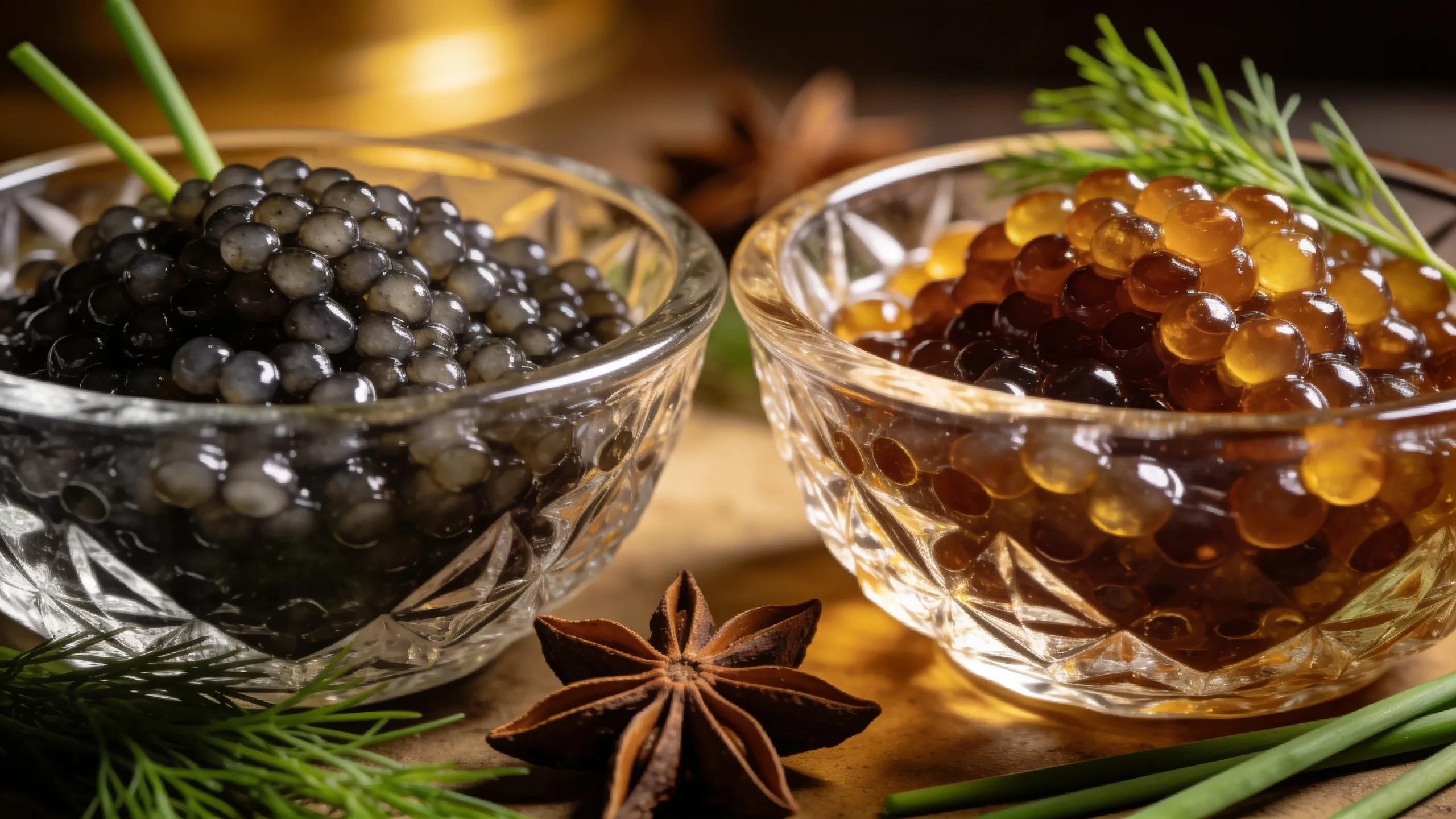
Beluga caviar is renowned for its rich, buttery flavor, often described as indulgent and smooth, ideal for connoisseurs looking for a lavish treat. In contrast, Osetra caviar provides a more complex profile with a balance of creamy and salty notes that many find equally delightful. Consumers should focus on these flavor profiles when selecting caviar for specific dishes, enhancing the overall dining experience.
Sourcing practices and sustainability are vital considerations in the caviar industry. Overfishing and habitat destruction have led to harsh regulations surrounding Beluga caviar harvesting. Ethical sourcing practices and sustainable farming methods are increasingly vital for both preserving sturgeon populations and ensuring high-quality caviar production. As consumers become more eco-conscious, the demand for sustainably sourced caviar will likely influence market offerings and trends.
Proper storage and serving methods are paramount for enjoying caviar's exquisite flavors. Caviar is a delicate product that requires specific temperature controls and serving conditions to maintain its quality.
Caviar should always be stored under refrigeration, ideally between 26°F and 32°F. It's best kept in its original tin or jar, sealed tightly to prevent exposure to air and light, which can degrade the eggs' quality. Different types of caviar have various shelf lives, ranging from a few weeks for fresh caviar to potentially years for properly preserved varieties.
Serving caviar correctly is essential for enhancing its delicate flavors. It is typically best served on a mother-of-pearl spoon to avoid metallic tastes that can interfere with its natural flavor. Additionally, serving it with accompaniments such as blinis, fresh crème fraîche, or even simple toast can elevate the tasting experience, allowing for balanced pairing and enjoyment.
Understanding the language of the beverage industry enhances the purchasing experience, especially when pairing drinks with gourmet foods like caviar.
Familiarity with common beverage terms can dramatically influence ordering choices in restaurants or through delivery services. Terms like "vintage," "terroir," and "dry" provide valuable insights into what to expect regarding flavor and quality. Additionally, understanding distinctions among wine, spirits, and beers allows consumers to make informed pairings with their meals.
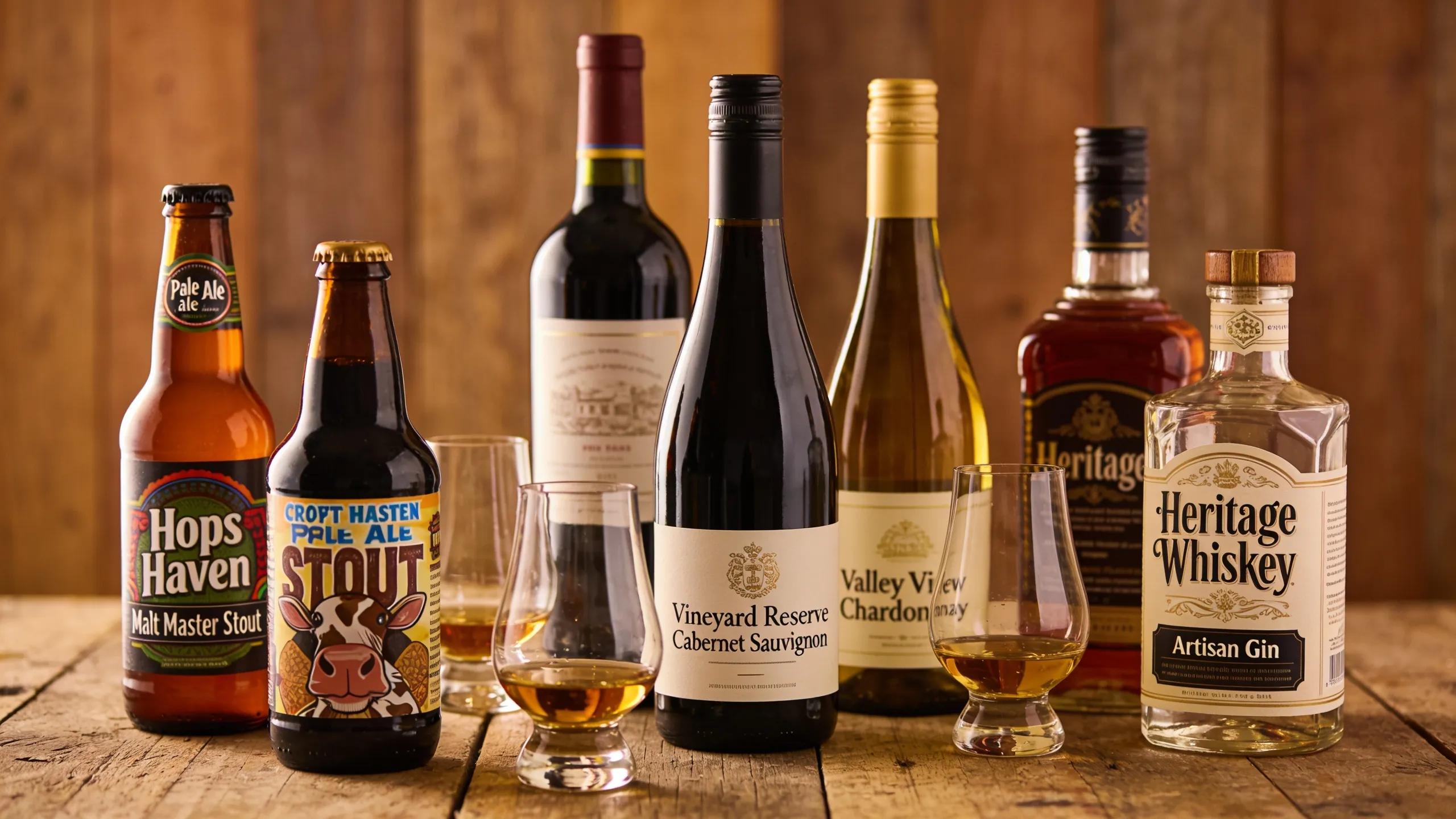
Alcoholic beverages are categorized into several types, each with unique characteristics that influence consumer choices. Wines, spirits, and beers all possess distinct flavor profiles suited for pairing with specific foods. For instance, white wines may complement lighter dishes, whilst robust reds pair well with richer offerings. Understanding these categories aids customers in selecting the ideal drink to accompany their gourmet experiences.
In today's fast-paced world, delivery services have transformed how consumers access luxury products like caviar and alcoholic beverages.
Numerous delivery options enable quick access to premium caviar and fine wines, especially platforms like Drinks House 247 Ltd. They allow customers to explore a variety of alcoholic beverages for every occasion and expediently bring these luxurious items directly to their doors, ensuring convenience and accessibility. If you want to explore a wider variety of premium options, you can browse our full collections of spirits.
Fast delivery options have become a significant factor in consumer satisfaction, especially with luxury products where timing can enhance the experience. Quick and reliable delivery services help businesses retain customers looking for timely, high-quality purchases, particularly for events or special occasions. Consumers appreciate the ability to enjoy gourmet products without delays, making speed an essential aspect of the modern shopping experience.
Many individuals have common inquiries regarding the consumption, storage, and unique qualities of caviar and related beverage terminologies.
The shelf life of caviar can vary significantly based on its type and storage conditions. Typically, fresh caviar can last up to four weeks if stored correctly, while pasteurized varieties may last longer but often sacrifice some flavor quality. Proper storage practices are essential to maximize enjoyment and quality.
Understanding caviar labeling can aid consumers in making informed purchases. Labels often detail the type of sturgeon, production methods, and certifications that verify quality and sustainability. Familiarizing oneself with these terms can facilitate a deeper appreciation of the product's origin and its adherence to quality standards, ultimately improving the buying experience.


