现已开放 | 伦敦当日送达及英国次日送达(礼品选项)
By Javad Rezaei Zadeh, Drinks House 247
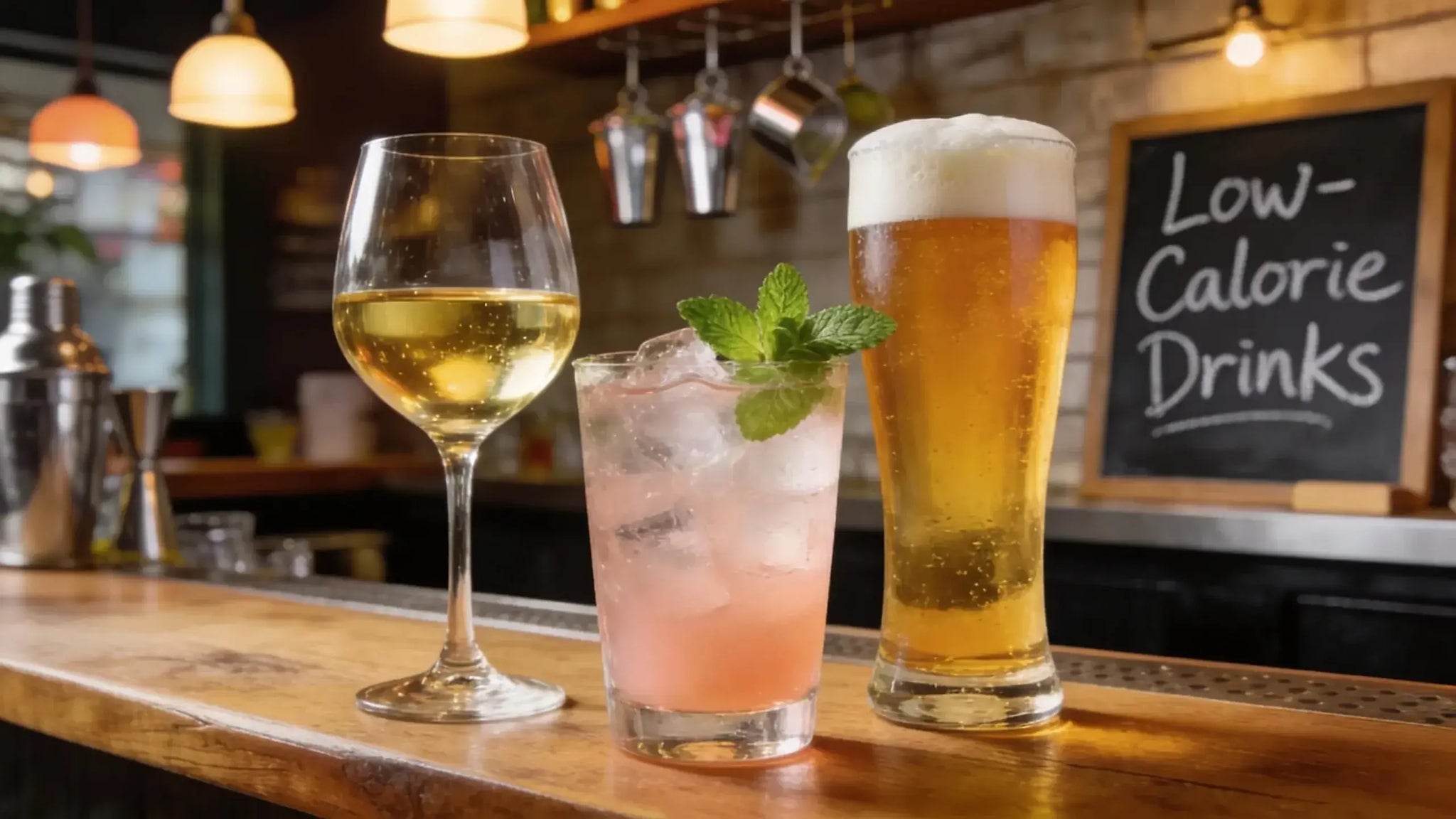
Understanding the relationship between sugar content and calorie count in alcoholic drinks is indispensable for health-conscious consumers. With many people seeking to maintain or lose weight, being aware of how different sugars affect calorie intake can significantly influence drinking choices. The correlation between sugar levels and calorie count is particularly crucial when making smarter selections among various alcoholic beverages. This article will delve into the sugar levels present in different types of alcohol, the impact of these sugars on overall calorie consumption, and the options for low-sugar drinks that satisfy flavor without excess calories. Additionally, we will provide practical insights on calculating drink calories and highlight the nuances of blended drinks that often have hidden sugars.
Different alcoholic beverages contain varying levels of sugar, which directly impacts their calorie counts. Understanding these differences helps consumers make informed choices about their alcohol consumption.
The sugar content across various alcoholic drinks can differ widely. For instance, wines typically have a moderate sugar content, with some sweeter varieties containing significantly more. On average, dry wines can have around 1-3 grams of sugar per serving, while dessert wines may exceed 10 grams. Beers, particularly lagers, generally range from 0.5 to 5 grams. Spirits, on the other hand, contain little to no sugar unless they are flavored or mixed with sugary ingredients. Cocktails can be the most sugar-laden, particularly those made with syrup or sweet mixers, with some varieties containing upwards of 30 grams of sugar per serving.
Common sugars found in alcoholic beverages include glucose, fructose, and sucrose. These sugars can significantly influence the drink’s sweetness and, consequently, its calorie content. For example, glucose is prevalent in many beer styles, while fructose is often found in wines. Sucrose, derived from cane or beet sugar, is a common additive in many mixed drinks. Understanding the type of sugar can help consumers assess the likely calorie impact when enjoying their favorite drinks.
Sugar is a major contributor to the overall calorie count in alcoholic beverages. The relationship between sugar and calories is critical for consumers seeking to manage their dietary intake.
The caloric content of sugar is straightforward; each gram of sugar contains approximately 4 calories. Therefore, if a drink contains 10 grams of sugar, it contributes roughly 40 calories solely from sugar. This relationship highlights the importance of checking sugar levels in drinks, as sugar-laden cocktails can easily elevate calorie counts, often surpassing that of beer or wine.
Several cocktails vary in sugar-related calories. For instance, sugary cocktails like the Piña Colada or a Margarita can have around 300 to 700 calories per serving primarily due to their high sugar content. In contrast, options such as a Martini or plain spirits with a splash of soda water tend to have much lower calorie counts, offering a more calorie-friendly choice for those watching their intake.
For those seeking to enjoy alcoholic beverages without the added sugar burden, there are both flavorful and low-sugar options available.
Low sugar alcoholic drinks are gaining popularity, providing satisfying flavor without excessive calories. Options include:
These alternatives enable consumers to enjoy their drinks while still adhering to a lower calorie and sugar regimen.
Drinks House 247 Ltd specializes in the quick delivery of various beverages, including low-sugar options appealing to the calorie-conscious consumer. Their selection features quickly accessible alcoholic drinks through an e-commerce platform, allowing users to browse and order products conveniently from their homes. With fast delivery across London and the broader UK, Drinks House 247 Ltd ensures that customers have a wide array of beverages to choose from, including low-sugar varieties, enhancing the accessibility of healthier drinking choices.
Calculating the calories in alcoholic drinks considering their sugar content involves understanding the relationship between the two and utilizing available resources to make accurate assessments.
Several tools can aid in calculating the calorie content of drinks:
Using these tools empowers consumers to make informed choices when selecting their drinks.
Sugary mixers can dramatically increase the overall calorie count in drinks. Common mixers like soda, lemonade, and sweetened juices add additional sugar grams that quickly elevate the drink’s calorie content. For instance, a cocktail made with regular soda can add nearly 100 calories from just a few ounces, substantially increasing the drink’s total calories. Being aware of these impacts can help consumers make better choices by opting for low-calorie mixers or straightforward spirits.
张贴前管理员会先审核您的留言


