现已开放 | 伦敦当日送达及英国次日送达(礼品选项)
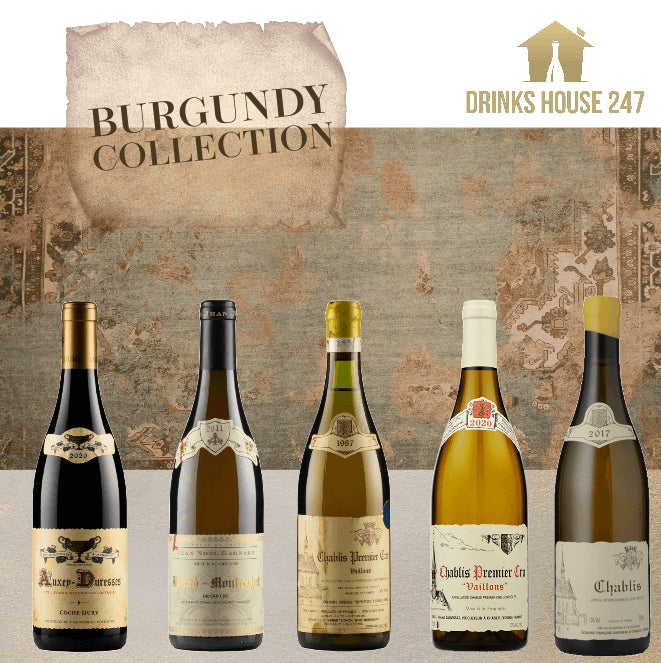
If you are searching for biodynamic wine online UK, you are probably trying to solve two things at once - finding a bottle with real character, and finding it quickly without wading through vague wine jargon. That is where the category gets interesting. Biodynamic wine attracts people who care about farming, but it also appeals to people who simply want better, more distinctive bottles in the glass.
Biodynamic is not just a fashionable label stuck onto a bottle to make it feel more premium. It starts in the vineyard, with growers treating the estate as a complete ecosystem rather than a site managed purely for yield. For the buyer, that usually translates into wines with a stronger sense of place, smaller production, and a style that can feel more individual than heavily industrial alternatives. That said, biodynamic does not automatically mean better. It means the farming approach is different. Whether the wine suits your taste still comes down to producer, region, grape and winemaking choices.
The quickest way to think about biodynamic wine is this: it goes beyond standard organic farming. Organic rules focus on avoiding synthetic chemicals. Biodynamic viticulture adds a broader philosophy around soil health, biodiversity, timing and vineyard balance. Some estates follow recognised certification standards, while others work biodynamically without making certification the centre of their marketing.
For online shoppers, that distinction matters. A bottle may be biodynamic in practice but not carry a logo you recognise. Another may be certified yet made in a style you do not enjoy. The smarter way to shop is to look at biodynamic status as one buying signal, not the only one.
If you already know the regions you like, biodynamic wines are often easiest to spot in parts of Burgundy, the Rhône, Loire, Champagne, Alsace and selected estates in Italy and Spain. You will also see biodynamic methods used by some producers in South America, South Africa and Australia. Online, the challenge is less about availability than clarity. Product pages need to tell you enough to make a fast decision.
The main advantage of buying online is range. The main risk is buying from a description that tells you almost nothing. When you are browsing biodynamic wine online UK, start with the basics that still matter more than farming philosophy alone.
Ask what you actually want to drink. A crisp white for dinner on a Tuesday needs a different profile from a structured red for gifting, or a celebratory sparkling bottle. If you prefer fresh, mineral whites, look at biodynamic producers in Chablis, Sancerre or Alsace. If you want fuller reds, estates in the Rhône or Tuscany may be a better fit.
This sounds obvious, but it is where many buyers go wrong. They shop for the word biodynamic first and forget to shop for taste. A well-made biodynamic Syrah is still Syrah. If you do not enjoy peppery, savoury reds, the farming method will not change that.
Strong producers tend to make stronger bottles, whatever the category. If you recognise the estate, region or importer, that often tells you more than a single phrase in the product title. Biodynamic wines can range from polished and classical to deliberately natural and more unpredictable. Neither is inherently right or wrong, but you should know which camp you are buying from.
If a retailer gives useful tasting notes, use them. Look for cues such as fresh acidity, low intervention, textured palate, ripe black fruit, saline finish or lees ageing. Those terms will help you far more than broad claims about sustainability.
Biodynamic bottles often sit slightly above entry-level pricing because many are made by smaller estates with lower yields and more labour-intensive vineyard work. That does not mean every expensive bottle is special, or that affordable biodynamic wine does not exist. It means you should expect the category to lean premium.
For casual drinking, there is little sense in overspending for a philosophy if the style is not what you want. For dinner parties, gifting or a bottle that needs to impress, paying more for a respected biodynamic producer can make sense.
Biodynamic wine works particularly well as a gift because it gives the bottle an extra point of interest without feeling gimmicky. For someone who already enjoys wine, it signals that thought has gone into the choice. For someone newer to wine, it offers an easy story - carefully farmed vineyards, lower intervention, and often a more artisan identity.
It is especially strong in premium gifting when paired with a known region or producer. A biodynamic Champagne, Burgundy or Rhône wine carries both provenance and purpose. That makes it feel more considered than a generic bottle picked from a supermarket shelf at the last minute.
The trade-off is that biodynamic can still be niche for some recipients. If you are sending wine to somebody whose preferences you do not know, familiarity may matter more than philosophy. In that case, choose a bottle with a classic region, clear style and broad appeal, then treat biodynamic as an added benefit rather than the main selling point.
A strong online wine retailer should make fast decisions easier, not harder. When buying biodynamic wine online UK, look for product pages that cover the practical details properly.
You want to see the grape or blend, region, producer, tasting profile, vintage where relevant, and enough context to understand whether the wine is light or full-bodied, crisp or creamy, fruit-led or savoury. If the page mentions food pairing, even better. That helps if you are ordering for a dinner, event or gift.
Delivery options matter as well. There is not much value in finding the right bottle if it cannot arrive when you need it. For urgent purchases, whether that means a same-day bottle for a host gift or a next-day case for a celebration, convenience becomes part of the buying decision. That is one reason specialist retailers with live availability are more useful than generic marketplaces.
At Drinks House 247, the advantage is straightforward: premium bottles, specialist categories and fast fulfilment sit in the same place, which makes biodynamic wine easier to buy without treating it like a research project.
One myth is that biodynamic wine always tastes wild or cloudy. Some do lean into minimal intervention styles, but plenty are clean, precise and classically made. Another myth is that biodynamic automatically means sulphite-free. It does not. Some wines use low sulphur, some do not, and that depends on the winemaker.
There is also a tendency to assume biodynamic wine is only for serious wine drinkers. In reality, many buyers come to it through curiosity rather than expertise. They want a bottle with a bit more identity, better vineyard credentials, or a producer with a more hands-on approach. You do not need to subscribe to the philosophy to enjoy the result.
The final myth is that biodynamic wine is always the ethical best choice. It can be a strong signal of careful farming, but sustainability is broader than one method. Packaging, transport, labour practices and overall vineyard management all matter. If your goal is to buy more consciously, biodynamic is a useful marker, not the only one.
This category shines when the bottle needs to say something. Dinner parties are an obvious fit because biodynamic wines often spark conversation before the cork is even pulled. They also work well for birthdays, thank-you gifts, client gifting and celebratory meals where the buyer wants something more distinctive than a standard pick.
They are also worth considering if you are building a mixed case. Adding a few biodynamic bottles alongside more familiar styles gives you variety without committing to an entire case of wines that may sit outside your usual comfort zone. That is a smart way to explore the category.
For everyday drinking, the right bottle depends on your budget and palate. Some buyers happily drink biodynamic as their default. Others reserve it for weekends, entertaining or gifting. Both approaches are sensible. The point is not to force the category into every occasion, but to use it where it adds value.
The best way to buy biodynamic wine online is to stay practical. Know the style you want, trust producers more than buzzwords, and choose a retailer that makes availability and delivery clear from the start. A good bottle should feel easy to order, confident to send and even better to open.
张贴前管理员会先审核您的留言


