
Your Cart is Empty


- Champagne
- Gifts & Hampers
- Whisky & Spirits
- Wine
- Caviar & Gourmet
- Same-Day Delivery
- Beer
Decant a wine for one of two reasons: to separate an older red or vintage port from its sediment, or to give a young, tannic red one to two hours of air. Most whites, light reds and everyday wines do not need it. Drinks House 247 suggests decanting mature wines only just before serving, as they fade quickly.
A decanter looks impressive on a table, but it is a tool with two specific jobs. Used on the right bottle it makes a real difference. Used on the wrong one it does nothing, and occasionally it does harm. The trick is knowing which job you are asking it to do.
It removes sediment. As red wine ages, tannins and colour pigments bind together and fall out of the wine as a dark, gritty deposit. It is harmless, but it tastes bitter and looks unpleasant in the glass. Pouring the wine slowly off its sediment into a decanter leaves the deposit behind in the bottle.
It aerates the wine. A young, powerful red can taste tight and closed when first opened, with firm tannins and muted fruit. Pouring it into a wide decanter exposes it to air, which helps the aromas open and makes the tannins feel softer. The same process that ruins an opened bottle over several days works in your favour over an hour or two.
| Wine | Decant? | How long before serving | Main reason |
|---|---|---|---|
| Young, full-bodied reds (Cabernet Sauvignon, young Bordeaux, Syrah, Barolo) | Yes | 1–2 hours | Air softens tannin and opens aroma |
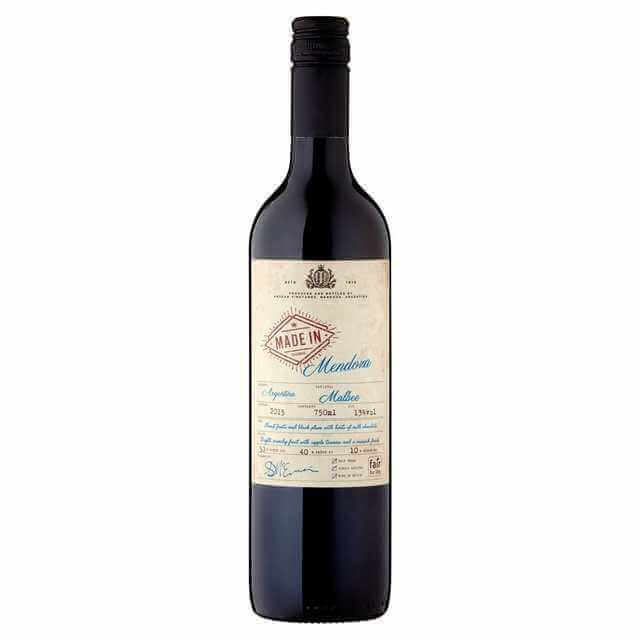
| Medium-bodied reds (Rioja Crianza, Chianti, Malbec) | Optional | 30–60 minutes | A little air helps |
| Light reds (Pinot Noir, Beaujolais) | Usually not | Up to 15–30 minutes if at all | Delicate aromas can fade |
| Mature reds (15 years or older) | Yes, gently | Just before serving | Sediment; old wines fade fast in air |
| Vintage port | Yes | 1–2 hours for young bottles; just before serving for old | Heavy sediment |
| Tawny port | No | Not needed | Aged in barrel, so little sediment |
| Full-bodied whites (white Burgundy, oaked Chardonnay) | Occasionally | 15–30 minutes, kept cool | A young, tight bottle can open up |
| Crisp, aromatic whites and rosé | No | Not needed | They are best fresh and cold |
| Champagne and sparkling wine | No | Not needed | Decanting knocks out the bubbles |
Air helps up to a point, then it starts to take away. A young Cabernet can improve for two or three hours. A 25-year-old Bordeaux may be at its best within the first half hour after decanting, then lose its fragrance steadily. With a mature wine, decant it only to remove the sediment, then pour and drink it.
If you are unsure, taste the wine as soon as it is decanted and again every 20 to 30 minutes. It is the most reliable guide there is.
Yes, in three cases. Very old, fragile reds can lose their remaining fruit quickly once exposed to air. Delicate, aromatic whites such as Riesling or Sauvignon Blanc gain nothing and warm up in the decanter. And sparkling wine loses the bubbles that are the whole point of it.
No. Any clean glass jug or carafe works for aeration. For sediment, you need something you can pour into slowly and steadily, and a light to watch the neck. If you want to serve the wine from its original bottle so guests can see the label, you can rinse the bottle with water, let it drain, and pour the decanted wine back in. This is called double decanting.
Swirling wine in a large glass also gives it air. For a single glass of a young red, a minute of swirling does a surprising amount of what an hour in a decanter would.
A decanter will not fix a wine served too warm. Red wine shows best at around 14–18°C, cooler than most rooms. If the room is warm, decant the wine later and keep the decanter somewhere cool. Our guide to red wine serving temperature explains why.
Decant young, full-bodied reds for one to two hours to soften their tannins, and decant older reds just before serving to remove sediment. Light reds such as Pinot Noir and most everyday wines do not need it.
One to two hours for a young, tannic red; 30 to 60 minutes for a medium-bodied red; and only just before serving for a mature wine, which can fade quickly in air.
Rarely. A young, full-bodied white such as white Burgundy can benefit from 15 to 30 minutes, kept cool. Crisp, aromatic whites, rosé and sparkling wine should not be decanted.
Stand the bottle upright for at least a day, open it without shaking it, and pour slowly into the decanter with a light under the bottle's neck. Stop pouring when the sediment reaches the neck.
Browse Bordeaux, Burgundy and Cabernet Sauvignon, or see how wine delivery works across London. For Spain's classic ageing terms, read our Rioja guide.
Deliveries are to over-18s only under our Challenge 25 policy. Please drink responsibly.