
Your Cart is Empty


- Champagne
- Gifts & Hampers
- Whisky & Spirits
- Wine
- Caviar & Gourmet
- Same-Day Delivery
- Beer
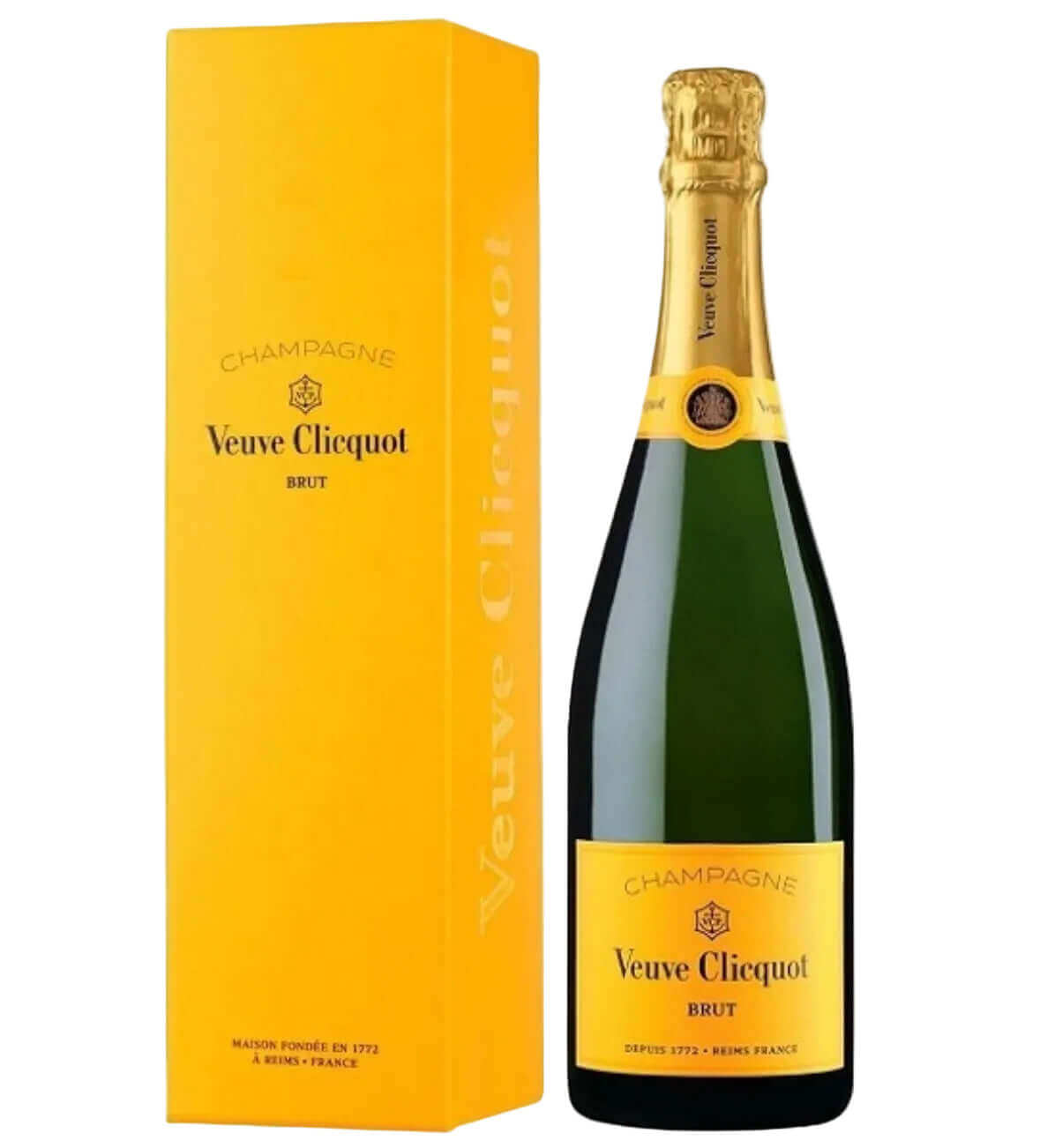
Chill the bottle to 6–8°C, remove the foil, loosen the wire cage with six half-turns while keeping a thumb on the cork, then hold the cork still and slowly turn the bottle until it eases out with a soft sigh. Drinks House 247 recommends a cloth over the cork and the bottle held at 45 degrees.
A bottle of champagne holds its bubbles under a pressure of around 5 to 6 bar, two to three times the pressure in a car tyre. That pressure is what makes the wine sparkle, and it is also what fires a loose cork across the room. Opening a bottle well is not about strength. It is about keeping control of the cork from the moment the cage comes off.
Two things make a bottle gush: warmth and movement. Carbon dioxide stays dissolved far more readily in cold liquid, so a warm bottle releases its gas in a rush the moment the seal breaks. A bottle that has just been shaken, carried or dropped has bubbles already forming on the inside of the glass, and they all race for the neck together.
The fix for both is simple. Chill the bottle properly, and let it rest for a while if it has just been moved. A bottle that has come straight off a delivery van or out of a bag is better left upright in the fridge for half an hour before opening.
| Step | What to do | Why it matters |
|---|---|---|
| 1. Chill | Bring the bottle to 6–8°C. About three hours in the fridge, or 20 to 30 minutes in a bucket of ice and water. | Cold wine holds its gas, so it opens gently instead of gushing. |
| 2. Dry the bottle | Wipe off any water or condensation, especially around the neck. | A wet bottle is a slippery bottle. |
| 3. Remove the foil | Pull the tab or cut the foil below the wire cage. | Gives a clear view and a firm grip on the cork. |
| 4. Thumb on the cork | Put your thumb on top of the cork before touching the wire, and keep it there. | Once the cage loosens, nothing else is holding the cork in. |
| 5. Loosen the cage | Untwist the wire loop. It takes six half-turns. Leave the cage on the cork. | The cage gives you extra grip on the cork. |
| 6. Cover and angle | Drape a cloth over the cork and hold the bottle at about 45 degrees, pointing away from people and anything breakable. | The angle gives the wine more surface area to release pressure, which reduces foaming. |
| 7. Turn the bottle | Grip the cork firmly and slowly turn the bottle from its base, not the cork. | It gives a smooth, controlled release. |
| 8. Ease it out | As the cork starts to push back, resist it and let it come out slowly. | You are aiming for a quiet sigh, not a bang. |
For a celebration it is part of the fun, but it comes at a cost. A loud pop usually means the pressure escaped all at once, which throws out foam and wine and flattens some of the fizz you paid for. The traditional sommelier's goal is the opposite: a cork eased out so gently that it makes only a soft hiss, sometimes described as the sound of a contented sigh.
If you want the drama, point the bottle safely at an empty patch of sky outdoors and accept that you will lose a glass or so to the ground.
A champagne cork leaves the bottle fast enough to cause a serious eye injury, and eye doctors raise the warning every festive season. A few rules keep everyone safe:
Some corks, particularly on older bottles, grip the glass tightly. Try these in order:
If the mushroom top of the cork snaps off and leaves the stem in the neck, the bottle is still under pressure. Hold the bottle at 45 degrees, pointing safely away, and use a corkscrew very slowly, keeping your hand over the top. Expect the stub to push out once the seal breaks.
Hold the bottle by the base, with your thumb in the indent at the bottom (the punt) if it has one. Tilt the glass slightly and pour a small splash first, then pause. Once the foam settles, top the glass up to about two thirds. Pouring in two stages stops the mousse spilling over the rim and keeps more of the bubbles in the glass.
A standard 75cl bottle pours six 125ml glasses, so a small first splash in each glass, followed by a second round, shares the bottle evenly.
Sabrage is the ceremonial opening of a bottle with a sabre, struck along the seam of the glass so that the neck and cork break away cleanly. It works because of the pressure inside the bottle and a weak point where the seam meets the lip. It is a spectacular trick, but it produces a sharp-edged glass ring and flying glass if done badly. Leave it to people who have been trained, and never attempt it with guests nearby.
Chill the bottle to 6–8°C, let it rest if it has been moved, and hold it at 45 degrees. Keep a thumb on the cork, turn the bottle rather than the cork, and ease the cork out slowly.
The wire loop on a champagne cage takes six half-turns to loosen. Keep your thumb on the cork while you untwist it and leave the cage on for extra grip.
Turning the bottle from its base gives a steadier, more controlled release. It lets you keep a firm grip on the cork, so it comes out slowly instead of shooting out.
Wrap it in a cloth for better grip and rock it gently while turning the bottle. Champagne pliers or a cork grip help with very tight corks. Always keep the bottle pointed away from people.
Browse our champagne collection, or see how champagne delivery works across London. For chilling times, read how long to chill champagne before serving, and for leftovers, see how long opened wine and sparkling wine last.
Deliveries are to over-18s only under our Challenge 25 policy. Please drink responsibly.