
سلة التسوق الخاصة بك فارغة


- الشمبانيا
- مجموعات الهدايا
- الارواح
- خمر
- الزهور والشوكولاتة
- المشروبات الغازية
- البيرة وعصير التفاح
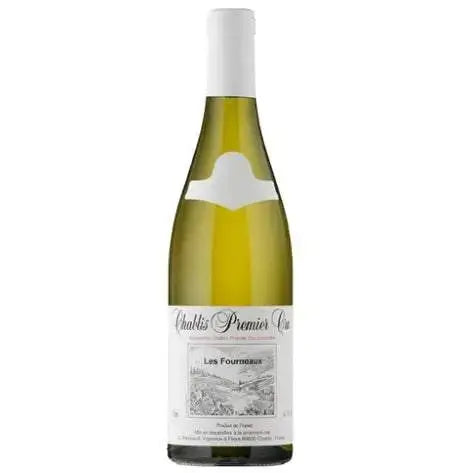
Short answer: It's about the exact vineyard the grapes come from, not the producer or the price alone. Grand Cru is a single, specific hillside in Chablis — about 100 hectares total, split into 7 named climats. Premier Cru covers a much larger area across roughly 40 different named vineyards, with real variation in quality between them. Both sit above standard "Chablis" and "Petit Chablis," which come from flatter, less favoured land.
Chablis is unusual among French wine regions because it's made entirely from one grape — Chardonnay — so the classification system is purely about where the grapes grew, not what they're blended from. Four tiers, in ascending order of specificity and (generally) price:
This is the part that surprises people: Grand Cru isn't just "the best of Premier Cru" — it's a genuinely tiny, specific piece of land. All seven Grand Cru climats (Blanchot, Bougros, Les Clos, Grenouilles, Preuses, Valmur, and Vaudésir) sit on one contiguous slope with ideal south-facing exposure and the region's purest Kimmeridgian limestone — the same fossil-rich soil, roughly 150 million years old, that defines Chablis's character. Because the aspect and soil are so consistent across this one hillside, Grand Cru wines tend to share a family resemblance: more concentration, more minerality, and real ageing potential.
Premier Cru, by contrast, is spread across many separate vineyards with real differences between them. A Premier Cru from Fourchaume (north-facing the Grand Cru slope, and considered one of the strongest Premier Cru sites) can taste meaningfully different from one grown in Vaillons, on the opposite side of town. This is why "Premier Cru" alone tells you less than "Grand Cru" — you also need to know which Premier Cru vineyard to know what you're actually getting.
Not automatically, and this is worth being honest about. Grand Cru gives a wine more potential — better exposure, better soil, more concentration — but a mediocre producer can underperform their appellation, and a brilliant grower can make a Premier Cru that outclasses another producer's Grand Cru. The vineyard sets the ceiling; the winemaker still has to reach it.
That said, when comparing wines from the same producer, Grand Cru versus Premier Cru is usually a genuinely useful signal — most Chablis houses treat their Grand Cru parcels as their top wine and price and age them accordingly, often with more oak influence and longer ageing before release.
Premier Cru Chablis typically shows crisp green apple, citrus zest, and a clear chalky minerality — fresh, precise, food-friendly.
Grand Cru Chablis tends to layer in more richness alongside that minerality — riper orchard fruit, sometimes a honeyed or waxy texture from extended lees ageing, with real length on the finish. It's recognisably Chablis, just with more depth and structure.
| Premier Cru | Grand Cru | |
|---|---|---|
| Number of vineyards | ~40 named climats | 7 named climats, one hillside |
| Total area | Larger, variable by site | ~100 hectares total |
| Exposure | Varies by vineyard | Consistently south-southwest |
| Typical style | Crisp, precise, mineral | Richer, more concentrated, longer ageing potential |
| Price | Above standard Chablis | Above Premier Cru |
We stock both Premier Cru and Grand Cru Chablis from respected growers. Browse the wine collection for same-day delivery across London and next-day UK-wide.
Please enjoy responsibly. drinkaware.co.uk
سيتم الموافقة على التعليقات قبل ظهورها.