
Your Cart is Empty


- Champagne
- Gifts & Hampers
- Whisky & Spirits
- Wine
- Caviar & Gourmet
- Same-Day Delivery
- Beer
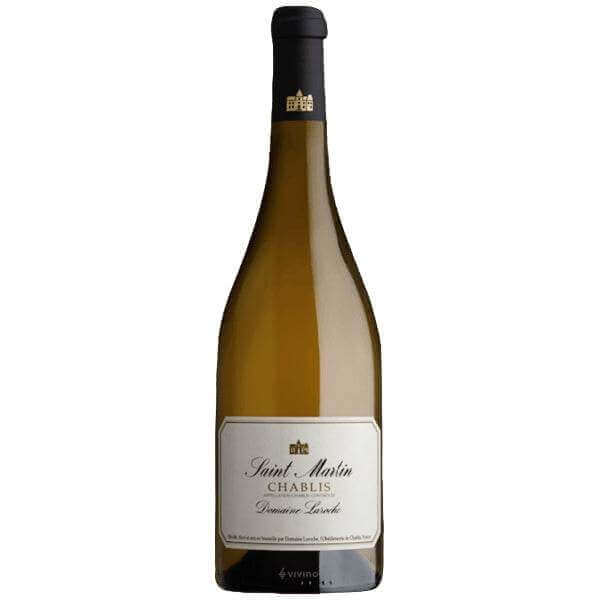
The best wines with smoked salmon are dry, unoaked whites with high acidity, such as Chablis, Sancerre, Muscadet or dry Riesling, and brut sparkling wines such as champagne. Their freshness cuts through the oil and salt of the fish. Avoid tannic reds and heavily oaked whites, which can taste metallic or heavy.
Smoked salmon is oily, salty and gently smoky. Acidity in wine does the same job as the wedge of lemon on the plate: it cuts the richness and leaves the next mouthful tasting clean. That is why the classic matches are all wines with plenty of acidity and little or no new oak.
Two things tend to clash. Tannin, the drying compound in red wine, can taste bitter or metallic next to oily fish. Strong new-oak flavours can fight with the smoke rather than complement it. Neither is a hard rule, but they explain why most people reach for something pale, cold and dry.
Any of the wines below will do the job. The differences are in style rather than quality, and several of the less expensive options are every bit as suitable as the famous names.
| Wine | Main grape | Where it comes from | Why it works |
|---|---|---|---|
| Chablis | Chardonnay | Northern Burgundy, France | Lean, mineral and usually unoaked |
| Sancerre | Sauvignon Blanc | Loire Valley, France | Citrus and herbal notes suit dill and lemon |
| Muscadet Sèvre et Maine | Melon de Bourgogne | Loire Valley, France | Light, bone dry and slightly salty |
| Dry Riesling | Riesling | Alsace, Germany, Australia | High acidity with lime and green apple fruit |
| Albariño | Albariño | Rías Baixas, Spain | Fresh and peachy with a saline edge |
| Brut champagne | Chardonnay, Pinot Noir, Pinot Meunier | Champagne, France | Bubbles and acidity lift the oil |
| Fino or manzanilla sherry | Palomino | Jerez and Sanlúcar, Spain | Bone dry, salty and savoury |
If you want one safe bottle, choose Chablis or Sancerre. You can browse both styles, along with the others above, in our wine collection.
Yes. It is one of the most dependable pairings there is, which is why smoked salmon blinis and a glass of fizz turn up at so many Christmas parties. A brut champagne, meaning one with less than 12 grams of sugar per litre, has the acidity to balance the fish, and the bubbles help to clear the palate.
Blanc de blancs, made only from Chardonnay, tends to be the lightest and most citrus-led style and is a natural fit. Rosé champagne also works well and looks the part beside the fish. Sweeter styles such as demi-sec are less successful, because the sugar sits awkwardly against salt and smoke.
You do not need champagne for this to work. Crémant, cava and English sparkling wine are made by the same traditional method and behave in much the same way with food. If you are pouring for a crowd, they are a sensible choice. For a special occasion, our champagne collection covers brut, blanc de blancs and rosé.
It can. What sits beside the fish often matters as much as the fish itself.
A dry, pale rosé is a good match, particularly the Provence style made mainly from Grenache and Cinsault. It has the freshness of a white wine with a little more fruit.
Red is harder. If you or your guests prefer it, pick a light wine with low tannin, such as Beaujolais, which is made from Gamay, or a simple Pinot Noir, and serve it lightly chilled. Full-bodied reds such as Cabernet Sauvignon or Syrah are best kept for the main course. If that course is turkey, our guide to wine with Christmas turkey covers the options.
Serving temperature makes more difference than most people expect. Too warm and the wine tastes flat against the fish; too cold and it tastes of very little.
| Style | Serving temperature | Time in a fridge from room temperature |
|---|---|---|
| Champagne and sparkling wine | 6–10°C | About 3 hours |
| Crisp dry whites and rosé | 7–10°C | About 2 to 3 hours |
| Fino and manzanilla sherry | 7–10°C | About 2 to 3 hours |
| Lightly oaked Chardonnay | 10–13°C | About 1 to 2 hours |
| Light reds, served cool | 12–14°C | About 30 to 45 minutes |
Fridge times are approximate and depend on how cold your fridge runs. A bucket of ice and water is faster and will chill a bottle in around 20 to 30 minutes.
A standard 75cl bottle gives six 125ml glasses, which is also the usual number of flutes from a bottle of champagne. For a starter, one glass per person is a reasonable allowance, so one bottle serves six and two bottles serve twelve. It is worth having something alcohol-free on the table as well.
Drinks House 247 delivers across Greater London 24/7, typically in 30–45 minutes, and next day to mainland UK when ordered by 4pm. There is no minimum order, and you can add a free personalised gift note if the bottle is for someone else.
Both work. Champagne and other brut sparkling wines suit canapés and blinis because the bubbles and acidity cut through the oil. A still white such as Chablis or Sancerre is usually the easier choice for a seated starter.
It is rarely the best match, because tannin can taste metallic against oily fish. If you want red, choose a light, low-tannin wine such as Beaujolais or a simple Pinot Noir and serve it lightly chilled.
A brut sparkling wine is the classic choice, as eggs can flatten delicate still wines. Champagne, crémant, cava or English sparkling wine all work, and a blanc de blancs is a particularly good fit.
Serve sparkling wine at about 6 to 10°C and crisp dry whites at about 7 to 10°C. Richer, lightly oaked Chardonnay is better a little warmer, at about 10 to 13°C.
18+ only. Challenge 25 applies. Please drink responsibly.
Comments will be approved before showing up.


