
Your Cart is Empty


- Champagne
- Gifts & Hampers
- Whisky & Spirits
- Wine
- Caviar & Gourmet
- Same-Day Delivery
- Beer
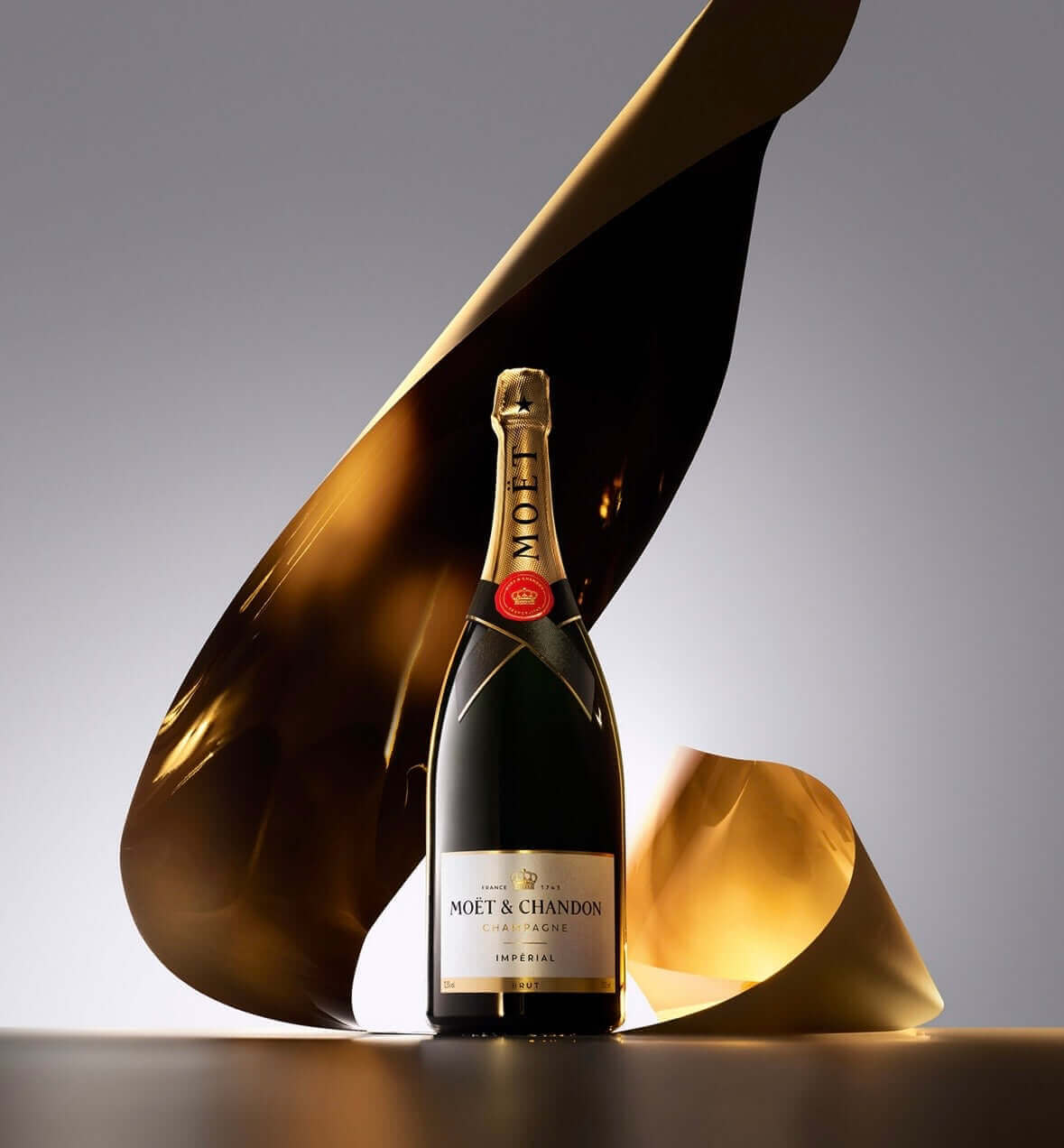
Put three glasses of fizz in front of most people and they will tell you which one they prefer, but not why. That is a shame, because the differences between these wines are not subtle marketing distinctions. They come down to a genuine fork in the road in how the bubbles get into the bottle, and once you understand that, choosing between prosecco, champagne and cava becomes straightforward rather than a matter of guessing by price.
Here is what is going on in each glass, and when each one is the right call.
All sparkling wine starts as a still base wine. The bubbles come from a second fermentation, and where that second fermentation happens changes everything.
Champagne and cava both use the traditional method. The base wine is bottled with a little sugar and yeast, sealed, and left to ferment again inside that same bottle. Carbon dioxide has nowhere to go, so it dissolves into the wine. Crucially, the spent yeast cells then sit in contact with the wine for months or years, breaking down and giving up compounds that read as brioche, toasted nuts and pastry. That is the flavour people describe as complexity, and it costs time and cellar space to produce.
Prosecco uses the tank method, sometimes called Charmat or Martinotti. The second fermentation happens in a large sealed steel tank over a few weeks, and the wine is bottled under pressure. There is no long lees contact, so you get none of that bready character. What you get instead is a much clearer expression of the grape itself: green pear, white blossom, a hint of melon. That is not a compromise. It is the point.
Champagne comes only from the Champagne region in northern France, and almost always from three grapes: Chardonnay, Pinot Noir and Pinot Meunier. The climate is cold, which means the base wines arrive with high acidity and low alcohol, and that acidity is the frame everything else hangs on.
Most champagne on the shelf is non-vintage, blended across years to produce a consistent house style. That style is genuinely distinctive: Bollinger leans rich and Pinot-driven, Taittinger is lighter and more Chardonnay-led, Ruinart is famously fine and chalky, Veuve Clicquot sits somewhere confident in the middle. If you have never done it, buying two contrasting houses and tasting them side by side teaches more in twenty minutes than any amount of reading. The champagne range covers most of the major houses.
Champagne is the choice when the wine is the event, when you are serving it with food, or when you want something that keeps developing in the glass over an hour rather than fading.
Prosecco comes from north-east Italy, principally Veneto, and is made overwhelmingly from the Glera grape. It is lower in pressure than champagne, which gives a softer, frothier mousse rather than a fine persistent bead, and it is usually a touch off-dry.
That combination makes it the better wine for a great many real-world situations. It is what a Spritz is built on, and no amount of champagne will improve that drink. It is what you want when you are pouring for twenty people on a warm afternoon. It works with salty food and with anything fried. Serve it properly cold, around six to eight degrees, and drink it young. Prosecco does not reward cellaring and a bottle three years past its best is a sad thing.
One label note worth knowing: Prosecco Superiore DOCG from Conegliano Valdobbiadene is a genuine step up from basic Prosecco DOC, coming from steeper hillside sites. It is usually only a little more expensive and almost always worth it.
Cava is the interesting one in the prosecco vs champagne vs cava question, because it is made the hard way but rarely priced like it. Almost all of it comes from Catalonia, and the classic blend is Macabeo, Xarel-lo and Parellada, though Chardonnay and Pinot Noir are increasingly used.
Because it is bottle-fermented, cava has the same autolytic character as champagne, but those Spanish grapes push it somewhere different: firmer, a bit more earthy, sometimes with a faintly saline, bitter-almond edge that makes it superb with food. It is arguably the best value sparkling wine on any shelf. Look for Reserva, which means at least eighteen months on the lees, or Gran Reserva at thirty months.
The sweetness scale is the single most misunderstood thing about sparkling wine. From driest to sweetest it runs brut nature, extra brut, brut, extra dry, dry, demi-sec. Extra dry is sweeter than brut, and dry is sweeter still. If someone tells you they want a very dry fizz and you hand them an extra dry prosecco, you have given them the opposite of what they asked for.
Brut is the safe default across all three wines. It has enough sugar to balance the acidity without reading as sweet, and it is the most food-friendly setting on the dial.
For a toast where people will actually notice the wine, champagne. For a party, a spritz base or anything where volume and refreshment matter more than nuance, prosecco. For dinner, and for anyone who wants traditional-method character without traditional-method pricing, cava.
A useful trick if you are hosting: buy prosecco for the arrival pour and one bottle of something more serious for later in the evening, when people are seated and paying attention. You will get more out of both. Have a look at the wider wine collection if you are building a full evening around it.
Whichever way you go, chill it properly. Twenty minutes in an ice bath beats three hours in a fridge, and warm sparkling wine flatters nothing. We deliver right across London in 30 to 45 minutes, 24 hours a day, so you can order the fizz and have it cold before your guests arrive.
Please drink responsibly. Drinks House 247 operates a Challenge 21 policy - you must be 18 or over to order, and our drivers will ask for photo ID if you look under 21.
Comments will be approved before showing up.