
سلة التسوق الخاصة بك فارغة


- الشمبانيا
- مجموعات الهدايا
- الارواح
- خمر
- الزهور والشوكولاتة
- المشروبات الغازية
- البيرة وعصير التفاح
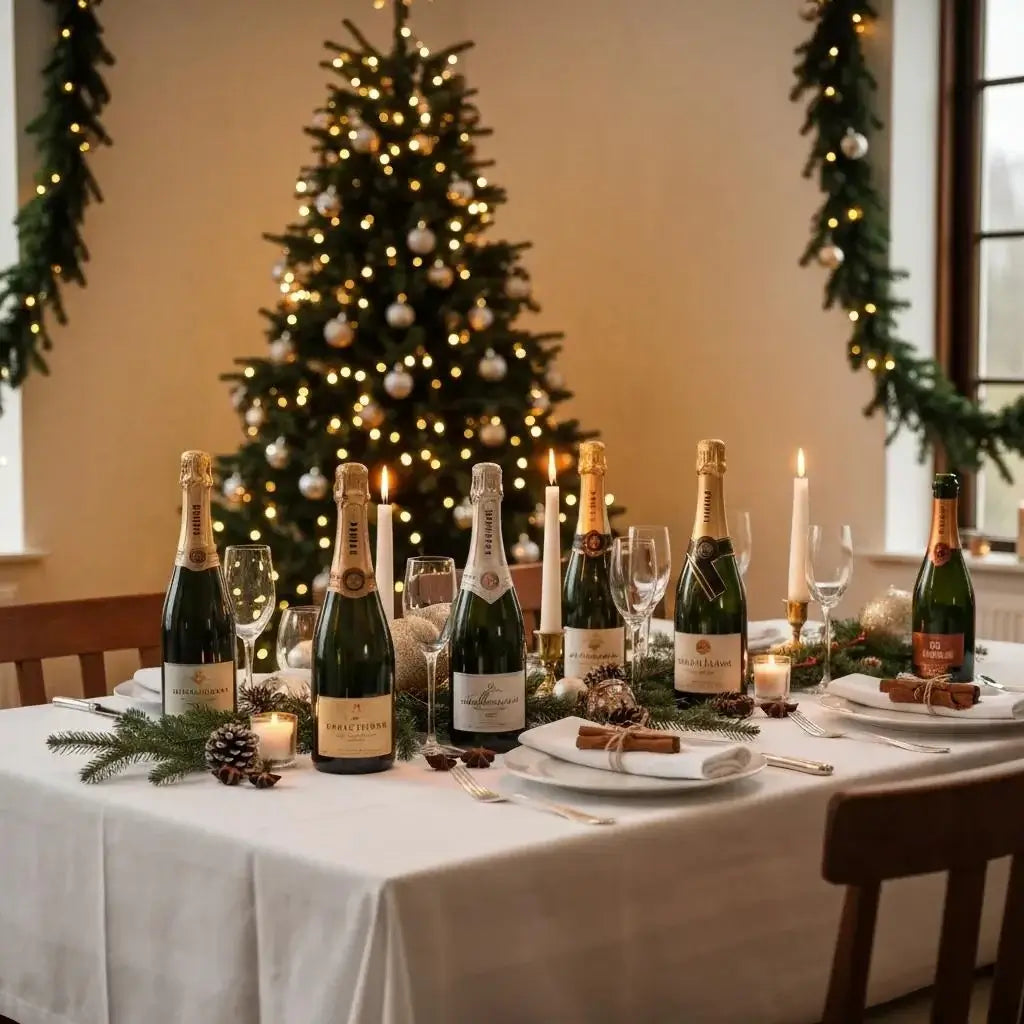

Christmas is the season when sparkling wine turns ordinary gatherings into memorable moments, and choosing the right bottle can elevate a meal, a gift, or a festive cocktail. This guide helps you find holiday champagne recommendations, festive champagne cocktails, and practical serving tips so you can pick the best champagne for Christmas dinner, match bottles to seasonal foods, and assemble thoughtful champagne gift sets. Many hosts struggle with balancing budget, style, and occasion—this article solves that by explaining champagne types, offering curated picks across budgets, comparing top sparkling alternatives like Prosecco and English sparkling wine, and laying out gifting and serving advice. You’ll get concise dinner pairings, DIY hamper ideas, step-by-step cocktail recipes, and storage and temperature recommendations tailored to holiday logistics. Read on for clear answers to “what is Christmas champagne,” which bottles suit roast turkey or panettone, how to choose a personalized bottle, and how to serve and preserve open bottles during multi-day festive events.
Christmas champagne is simply sparkling wine chosen for holiday contexts because its effervescence, acidity, and range of sweetness levels make it versatile for toasts, starters, and desserts. Bubbles lift rich sauces, acidity cuts through fatty mains, and style choices—Brut, Rosé, Blanc de Blancs, Demi-Sec—determine where a bottle works best on the menu. The celebration factor also includes presentation: bottle formats and magnums add visual impact for hosts and can change mouthfeel and aging potential, which affects perceived luxury. Understanding these attributes helps you pick the right style for toasting, pairing, or gifting during the holidays and leads naturally to recommendations of specific types and when to choose them.

Brut, Rosé, Blanc de Blancs, and Demi-Sec each bring distinct holiday strengths, and selecting the right one depends on menu and moment.
Brut Champagne is the most versatile: its dry profile and lively acidity make it perfect for aperitifs, oysters, and turkey with gravy, while many guests find it pleasant across courses. Rosé Champagne adds red-fruit intensity and pairs beautifully with smoked salmon, cranberry-glazed ham, and richer starters, offering celebratory color for Christmas tables. Blanc de Blancs, made primarily from Chardonnay, delivers citrus and floral precision that complements delicate seafood and cream sauces, whereas Demi-Sec, with its sweeter finish, is ideal alongside fruit-based desserts, mince pies, or panettone.
Acidity, mousse texture, autolytic brioche notes, and dosage levels shape a bottle’s role on a holiday table by influencing palate cleansing, aroma complexity, and pairing compatibility. High acidity cuts through creamy side dishes and fatty meats, making Brut a great counterpoint to roast goose or buttery mash, while a fine persistent mousse enhances the perception of freshness during long celebratory meals. Autolysis from extended lees aging adds bready, toasty flavors that feel luxurious with roasted or smoked elements, and dosage determines sweetness balance for desserts. Knowing these attributes helps you match texture and flavor to specific Christmas dishes so each course feels harmonized and festive.
Best picks for Christmas dinner span value, mid-range, and luxury options—each chosen to complement common holiday mains like roast turkey, goose, and honey-glazed ham. A concise approach identifies one luxury cuvée for special-occasion toasts, a reliable mid-range bottle for dinner service, and an affordable Brut or non-vintage option for larger gatherings. Consider the dish first: richer game and foie gras favor vintage or prestige cuvées with depth, while turkey and ham pair well with zesty non-vintage Bruts or Blanc de Blancs. Below is a practical comparison to help match style to budget and course.
| Bottle | Style | Price Range | Flavor Profile | Best Food Pairing |
|---|---|---|---|---|
| Prestige Cuvée / Vintage Champagne | Vintage / Prestige | Luxury range | Complex, toasty, layered | Roast goose, game, foie gras |
| Non-Vintage Brut | Brut NV | Mid-range | Citrus, brioche, fresh acidity | Roast turkey, creamy sides |
| Rosé Champagne (NV) | Rosé NV | Mid to mid-high | Red-berry, floral, savory notes | Smoked salmon, cranberry-glazed ham |
Luxury or prestige champagnes typically offer extended lees aging, vintage expression, and concentrated complexity that make them ideal for milestone moments and rich holiday dishes. These bottles tend to present layered aromas—toasty brioche, hazelnut, and baked-apricot—that stand up to strong flavors like game, foie gras, and truffle-enhanced recipes, enhancing rather than being overshadowed by the food. Serving a prestige cuvée as a host gift or for the main course signals occasion-worthiness and invites slower, contemplative tasting. When planning a luxury pour, allow enough time for the bottle to breathe slightly and serve in stemware that concentrates aromatics to maximize the pairing experience.
The specific viticultural practices and climate influences that contribute to the quality of grapes for sparkling wine production are a key area of study.
Viticulture for Sparkling Wine Production: A Comprehensive Review
ABSTRACT: AbstractThe current understanding of the influences of climate and viticultural practices on fruit quality at harvest and on sparkling wine quality is reviewed. Factors such as variety, clone, planting density, pruning method, local climate and soils, and current and future climate warming are discussed in the context of achieving a desired harvest quality. A common observation was the relatively less intensive viticultural management applied to grapes destined for sparkling wines compared to table wines throughout the world. Few studies have focused on management of fruit specifically for sparkling wine production. Given that it is accepted that a lower pH, titratable acidity, and lower soluble sugars than table wine are considered desirable for sparkling wine production, the literature from viticultural studies for table wines which influence these desired fruit quality parameters has been reported. Specific findings on canopy management, leaf removal, and yield manipulation f
Viticulture for sparkling wine production: A review, FL Kerslake, 2014
Affordable champagne and sparkling wine options provide consistent quality and are particularly useful for large gatherings, toasts, and courses where multiple bottles are needed without overspending. Value-focused non-vintage Bruts and entry-level Rosés often deliver bright fruit, balanced acidity, and pleasing brioche notes at accessible price points, making them suitable for passing around during canapés, aperitifs, and family-style dinners. Look for NV blends with clear stylistic markers—fresh citrus, green apple, and subtle yeastiness—that promise pairing flexibility. These choices free up budget for splurging on one standout bottle or a personalized gift while ensuring guests enjoy a celebratory sip.

Choosing the right champagne gift involves three simple decisions: know your recipient’s taste, set a realistic budget, and choose presentation or personalization to elevate the gesture. Consider whether the recipient prefers dry or off-dry styles, whether they value brand prestige or boutique grower character, and whether a gift set with flutes or chocolates would increase perceived value. Packaging and timing matter for holiday delivery—choose sturdy gift boxes and plan lead times for personalization. The table below helps match gift types to recipients and budgets so you can quickly select an appropriate option.
| Gift Option | Price | Personalization Options | Best For Recipient Type |
|---|---|---|---|
| Personalized Bottle | Variable | Custom label, message | Close friends, hosts |
| Gift Set with Flutes | Moderate | Decorative packaging | Couples, colleagues |
| Champagne Hamper (bottle + treats) | Moderate to High | Add-ons like chocolates | Family, special hosts |
Personalized champagne bottles—custom labels, engraved cases, or hand-written notes—turn a standard gift into a memorable keepsake that reflects thoughtfulness and occasion-specific sentiment. Personalized presentation increases perceived value because it connects the recipient emotionally to the moment and often becomes a memento long after the bottle is empty. Ordering timelines for custom labels or engraving tend to lengthen during holiday season, so plan ahead to avoid delays and ensure consistent typography and artwork quality. For hosts or close friends, personalization is especially impactful because it pairs utility (a drinkable bottle) with an enduring token of appreciation.
Curated gift sets and hampers that pair a bottle with complementary items—artisan chocolates, preserves, or stemware—offer an immediately usable experience that suits a range of recipients and budgets. Look for hampers that balance sweet and savory accompaniments, protect glassware with padding, and include tasting notes so recipients know how to serve the bottle. For corporate or multi-recipient gifting, opt for compact sets that travel well; for intimate gifts, choose larger hampers with premium extras. When assembling DIY hampers, combine a mid-range NV Brut with salted nuts, quality chocolate, and a simple tasting card for an elegant, cost-effective present.
Sparkling wines beyond Champagne—Prosecco, Cava, English sparkling wine, and Crémant—offer diverse flavor profiles, price points, and holiday uses that often outperform Champagne when matched to specific needs like brunch, large parties, or sustainability preferences. Prosecco tends to be fruit-forward and approachable for aperitifs; Cava delivers savory, toasty character at budget-friendly prices; Crémant from various French regions offers Champagne-like styles for value; and English sparkling wine increasingly mirrors Champagne’s acidity and complexity. The table below clarifies origins, sweetness, price ranges, and best holiday uses to help you decide when an alternative is the smarter choice.
| Type | Origin | Typical Sweetness | Typical Price Range | Best Use for Holidays |
|---|---|---|---|---|
| Prosecco | Italy | Off-dry to dry | Entry to mid | Aperitif, brunch, large parties |
| Cava | Spain | Dry to medium | Entry to mid | Party service, pairing with savory tapas |
| English Sparkling | England | Dry | Mid to premium | Festive centerpieces, elegant pairings |
| Crémant | Various French regions | Dry to off-dry | Mid | Champagne-style pairing at lower cost |
Prosecco’s approachable fruit-forward style, often with notes of pear, white peach, and floral aromas, makes it an inviting aperitif for mixed crowds and an excellent choice for brunch-oriented holiday events. Typically produced in Charmat tank method, Prosecco emphasizes primary fruit over yeast-derived autolysis, which results in fresher, lighter bubbles that many guests find easy to drink. Labels like DOC and Prosecco Superiore signal quality tiers—seeking those markers helps find better bottles. For large gatherings, Prosecco’s value and accessibility make it ideal, and it also mixes well into punch-style festive champagne cocktails.
English sparkling wine has gained prominence due to improved viticulture in cooler climates and a focus on high-acidity, Chardonnay- and Pinot-driven blends that resemble Champagne’s structure. Winemakers in England have achieved notable quality through longer growing seasons and careful winemaking that emphasizes acidic backbone and fine mousse, making these wines excellent for pairing with traditional British festive dishes. English sparkling often offers a sense of terroir and local provenance that appeals to gift-givers seeking distinctive, seasonally relevant bottles. As availability grows, English sparkling wine has become a compelling alternative for hosts who want Champagne-like sophistication with regional character.
Champagne pairs beautifully across starters, mains, cheeses, and desserts because its acidity cleanses the palate and its mousse heightens texture perception; cocktails add festive flair and scale easily for parties. Pairings depend on style: Brut for oysters and turkey, Rosé for smoked fish and spiced ham, Demi-Sec for fruit-based desserts. Cocktail recipes like the Poinsettia and cranberry-Grand Marnier blends showcase seasonal flavors and are simple to scale for large groups. Below are targeted pairing rules and recipes to help you execute a cohesive holiday menu and a set of cocktails designed specifically for Christmas entertaining.
Classic pairings capitalize on acidity to cleanse rich textures and on autolytic notes to echo roasted flavors, creating harmonious combinations throughout a holiday meal. Starters such as smoked salmon, blinis with crème fraîche, and oysters benefit from the citrus and saline edge of Blanc de Blancs or Brut, while mains like roast turkey and honey-glazed ham match well with non-vintage Brut due to its balance and palate-cleansing qualities. For cheese courses, soft-ripened cheeses and mild blue cheeses work best with Champagne’s effervescence, and for desserts, choose Demi-Sec or sweeter styles to complement fruit-rich patisseries and buttery cakes. Consider less-common matches such as Champagne with roasted chestnuts for a festive twist that plays on texture and warmth.
Festive champagne cocktails are an easy way to add seasonal flavors while keeping preparation simple; three signature recipes below cover aperitif, dessert, and punch formats that scale from intimate gatherings to large parties. The Poinsettia combines cranberry and orange liqueur with sparkling wine for a bright, tart aperitif; a cranberry-Grand Marnier twist layers a cordial base for dessert-style sips; and a large-format punch pairs sparkling wine with winter spices and citrus for self-serve convenience. Each recipe includes straightforward ingredients and quick assembly tips so hosts can maintain flow during busy holiday service.
These cocktails are easy to scale and adapt; for non-alcoholic versions, substitute sparkling non-alcoholic wine or soda and use non-alcoholic orange cordial. The next section addresses serving temperatures to maximize flavor.
Proper storage and serving ensure bottles taste their best when uncorked: keep unopened bottles cool, away from light, and stable; plan chilling timelines so bottles reach ideal temperatures at service; and reseal or preserve opened bottles if celebrations extend across days. Quick chilling in an ice-water bath cools bottles faster than a fridge, while slow chilling in a refrigerator preserves bubble integrity and aromatics. Transporting bottles for gifting requires padded packaging and upright positioning to avoid agitation and leakage. These practices protect quality and help hosts coordinate timing between cooking schedules and beverage service during busy holiday events.
Serving temperature affects aroma perception, carbonation, and balance: Brut styles are best served around 8–10°C (46–50°F) to show freshness and acidity, Rosé slightly warmer at 9–11°C to emphasize fruit, and Demi-Sec a touch warmer to reveal sweetness and texture. Vintage and prestige cuvées often benefit from the upper end of the range to open complex aromatics, while overly cold service mutes flavors. To chill quickly, place bottles in an ice-water bucket for 15–20 minutes; for a slow chill, refrigerate for several hours. Adjust service temperature by monitoring taste and allowing bottles a few minutes out of the ice to express full aromatics.
Store champagne bottles horizontally in a cool, dark place with minimal vibration to preserve cork integrity and prevent premature oxidation; avoid areas prone to temperature swings like garages or uninsulated attics. When transporting bottles as gifts, use insulated, padded packaging and keep them upright during short transits to minimize agitation; for longer shipping, professional packaging reduces risk. A simple storage checklist helps hosts prepare: chill bottles 2–4 hours before service if refrigerated, or use an ice bucket for last-minute chilling; plan to open celebratory bottles shortly before serving to preserve effervescence. These precautions ensure bubbly stays fresh and celebratory when it counts.
سيتم الموافقة على التعليقات قبل ظهورها.