
سلة التسوق الخاصة بك فارغة


- الشمبانيا
- مجموعات الهدايا
- الارواح
- خمر
- الزهور والشوكولاتة
- المشروبات الغازية
- البيرة وعصير التفاح
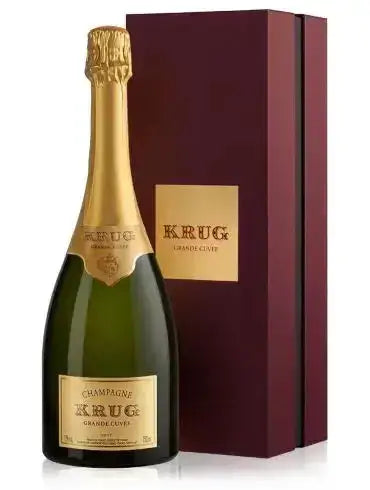
Krug costs more because of how it is made. Every wine is fermented plot by plot in small oak casks, the flagship Grande Cuvée blends more than 120 wines from over ten different years, and it ages for around seven years before release. Drinks House 247 finds its rich, complex style is worth it for lovers of mature champagne.
Krug has a particular place in champagne. It is not the largest house, nor the oldest, but it is one of the few whose entry-level bottle is itself a prestige cuvée. Founded in Reims in 1843 by Joseph Krug, and part of the LVMH group since 1999, it has built its reputation on a way of making champagne that is slow, labour-intensive and deliberately unlike most of its neighbours.
Most champagne houses produce a non-vintage brut in large volumes as their everyday wine, and reserve their most expensive methods for a vintage or prestige cuvée. Krug does the reverse. Its flagship, Krug Grande Cuvée, is made with the care most houses save for their top bottle, and it is built as a multi-vintage blend by design rather than as a way of evening out the years.
| What Krug does | Why it costs more | What it does to the wine |
|---|---|---|
| Keeps each vineyard plot's wine separate | Hundreds of small batches to make, taste and track | Gives the blenders an enormous palette of distinct wines |
| Ferments every wine in small, used oak casks | Casks are labour-intensive to fill, tend and maintain | Adds richness and texture without a strong oaky taste |
| Holds a large library of reserve wines | Years of stock kept back rather than sold | Lets each blend draw on many different years |
| Blends over 120 wines from more than ten years for Grande Cuvée | Complex, time-consuming blending | Depth and layered complexity |
| Ages Grande Cuvée around seven years before release | Money and cellar space tied up for years | Toasty, nutty, brioche character and fine bubbles |
Added together, these choices mean far more time, labour and stock per bottle than a typical non-vintage champagne, before any question of brand or prestige.
Each release of Krug Grande Cuvée carries an Édition number, such as the 170th or 171st. It identifies the particular blend, built around the harvest of one year and completed with reserve wines from many others. Because every Édition is different, the number lets drinkers compare releases in the same way they might compare vintages.
The back label also carries a six-digit Krug ID. Entering it on Krug's website or app tells you the story of that bottle, including the year its blend was built around and when it left Krug's cellars.
They are both prestige champagnes from the LVMH group, but they take opposite approaches. Dom Pérignon is made only as a vintage: each release comes from a single year's harvest, and the house simply does not release one in years it judges unworthy. Krug's flagship is built from many years, with the aim of expressing the fullest version of the house style every time. Dom Pérignon is often described as more precise and tightly wound when young; Krug as richer, broader and more oxidative in character. Neither is better. They answer different questions about what great champagne should be.
It depends on what you enjoy. Krug is rich, powerful and complex, with toasted nuts, brioche, dried fruit and honey alongside citrus freshness. If that is the style you love, it is one of the most distinctive and consistently excellent champagnes available, and its price reflects real differences in how it is made.
If you prefer your champagne light, crisp and fresh as an aperitif, Krug may not be the best use of the money. A good Blanc de Blancs, or a fresher non-vintage from a house whose style you enjoy, may give you more pleasure. And if you are buying as a gift for someone who is serious about champagne, Krug is almost always a safe choice.
Serve Krug a little warmer than most champagne, at around 9–12°C, and in a white wine glass rather than a narrow flute. The wider bowl lets the complex aromas open up. It suits food better than most champagnes: roast chicken, scallops, aged Comté or Parmesan all work well.
Krug ferments each vineyard plot separately in small oak casks, blends more than 120 wines from over ten years for Grande Cuvée, and ages it for around seven years before release. That takes far more time, labour and stock than most champagne.
Krug's flagship champagne: a multi-vintage prestige blend built around one harvest and completed with reserve wines from many other years. Each release carries an Édition number.
Dom Pérignon is made only as a vintage champagne from a single year. Krug's flagship blends many years to express the house style. Krug is typically richer and broader; Dom Pérignon more precise when young.
A six-digit code on the back label of a Krug bottle. Entering it on Krug's website or app shows details about that bottle, including the year its blend was built around and when it left the cellars.
Browse our Krug champagne and wider champagne collection, or see how champagne delivery works across London. For more on the top tier, read prestige cuvée champagne explained and our Dom Pérignon review.
Deliveries are to over-18s only under our Challenge 25 policy. Please drink responsibly.