
سلة التسوق الخاصة بك فارغة


- الشمبانيا
- الهدايا وسلال الهدايا
- ويسكي ومشروبات روحية
- خمر
- الكافيار والمأكولات الفاخرة
- توصيل في نفس اليوم
- بيرة
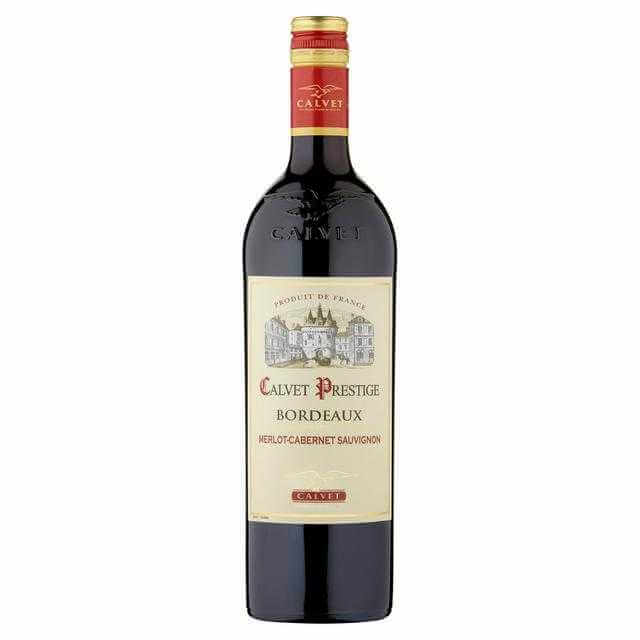
The best red wine with roast beef is a medium to full-bodied red with firm tannin and fresh acidity. Red Bordeaux is the classic choice, and Rioja Reserva, northern Rhône Syrah, Chianti Classico and Argentinian Malbec all work well. Serve it at 15–18°C and allow roughly half a bottle per adult.
Beef is rich in protein and fat, and both soften the drying grip of tannin. A red that tastes firm on its own seems smoother next to a slice of beef, while the wine's acidity cuts through the fat and the gravy. That is why tannic grapes such as Cabernet Sauvignon, Tempranillo and Syrah are the traditional partners for a rib or a sirloin joint.
The match can fail at either extreme. A very light red tends to be flattened by the meat and its gravy. A very ripe, high-alcohol red can feel heavy by the second plate. Roast beef is happiest in the middle ground: a wine with structure and savoury flavour, but no sweetness.
These seven styles cover almost every roast beef lunch, from a midweek topside to a Christmas rib on the bone.
| Wine | Main grapes | Style | Best with |
|---|---|---|---|
| Médoc (Left Bank Bordeaux) | Cabernet Sauvignon, Merlot | Firm tannin, blackcurrant, cedar | Rare or medium-rare rib of beef |
| Saint-Émilion (Right Bank Bordeaux) | Merlot, Cabernet Franc | Softer and plummy | Topside or sirloin cooked medium |
| Rioja Reserva | Tempranillo | Savoury, mellow oak; aged at least three years, with at least one in barrel | Medium to well-done beef with plenty of gravy |
| Crozes-Hermitage or Saint-Joseph (northern Rhône) | Syrah | Dark fruit, black pepper | Beef with a peppered or mustard crust |
| Chianti Classico | Sangiovese (at least 80%) | High acidity, sour cherry | Fattier cuts and rich gravy |
| Argentinian Malbec | Malbec | Ripe fruit, soft tannin | Well-done beef, horseradish |
| Côtes du Rhône | Grenache, Syrah, Mourvèdre | Round and gently spicy | An everyday Sunday roast |
If you want one safe answer for a mixed table, choose Bordeaux or Rioja Reserva. Both are dry, savoury and familiar to most guests, and both have enough structure for the beef without dominating the vegetables.
Yes, more than most people expect. Rare and medium-rare beef is juicy and soft, and it can take a firmly tannic wine such as a young Médoc or a northern Rhône Syrah. As beef is cooked further it becomes drier and firmer, and heavy tannin starts to taste harsh against it. For beef served medium-well or well done, move towards rounder, fruitier reds: Merlot-led Bordeaux, Rioja, Malbec or Côtes du Rhône.
The cut matters too. A fore rib with a generous layer of fat suits a wine with high acidity, such as Chianti Classico. A lean fillet is more delicate and is better with a smoother, less tannic red.
The trimmings change the match as much as the meat does. The heat in horseradish and English mustard exaggerates tannin and alcohol, so an austere red can taste bitter after a generous spoonful. If your table uses a lot of either, choose a wine with riper fruit, such as Malbec, Rioja or Côtes du Rhône. A dark, well-reduced gravy pulls the other way and helps firmer wines, which is one reason Bordeaux and a traditional roast beef lunch have gone together for so long.
No. A full roast with Yorkshire puddings, roast potatoes, several vegetables, gravy and horseradish puts a lot of flavours on the plate, and the subtle detail of a mature fine wine is easily lost among them. A well-made Côtes du Rhône, a Bordeaux Supérieur or a Rioja Crianza will do the job properly for most Sunday lunches. A grander bottle earns its place when the beef is served simply, with little more than its own juices, and the wine has room to be noticed.
Serve medium and full-bodied reds at 15–18°C. A centrally heated dining room in winter is often warmer than that, and a red served too warm tastes flat and alcoholic. If the bottle has been standing in a warm kitchen, 15 minutes in the fridge will bring it back into range.
Young, tannic reds such as Médoc, Syrah and Malbec benefit from being poured into a decanter or a clean jug about an hour before the meal. Older wines with sediment are a different case: stand the bottle upright beforehand and decant gently just before serving, leaving the sediment behind.
Half a bottle per adult is a sensible planning figure for a long, seated meal, so three bottles for six people. Some guests will drink less or not at all, so keep water and soft drinks on the table.
| Glass size | Glasses from a 750ml bottle | UK units per glass at 13.5% ABV |
|---|---|---|
| 125ml (small) | 6 | 1.7 |
| 175ml (medium) | 4, with a little left over | 2.4 |
| 250ml (large) | 3 | 3.4 |
A full 750ml bottle at 13.5% ABV contains about 10 UK units.
You can, and nobody should be made to drink red if they would rather not, but red is the better match. If you want a white on the table, choose a full-bodied, oak-aged Chardonnay, which has enough weight to stand up to the meat. Lighter whites tend to disappear next to gravy. If you are planning the bigger festive meal as well, see our guide to what wine goes with Christmas turkey.
Drinks House 247 offers wine delivery in London 24/7 across Greater London, typically in 30–45 minutes, and next day to mainland UK when ordered by 4pm. There is no minimum order, and there are 450+ wines to choose from.
Red Bordeaux is the classic match, particularly Cabernet Sauvignon based wines from the Médoc. Rioja Reserva, northern Rhône Syrah, Chianti Classico and Argentinian Malbec are all reliable alternatives.
Cabernet Sauvignon has firmer tannin and suits rare or medium-rare beef. Merlot is softer and rounder, which makes it a better fit for beef cooked medium to well done.
It can, especially with a lean cut such as fillet served rare. A very light Pinot Noir can be overpowered by rich gravy and horseradish, so choose a fuller-bodied one.
Serve medium and full-bodied reds at 15 to 18°C. If the bottle has been standing in a warm kitchen, 15 minutes in the fridge will bring it back into range.
18+ only. Challenge 25 applies. Please drink responsibly.
سيتم الموافقة على التعليقات قبل ظهورها.

Demi-sec is the sweet style of champagne, with 32 to 50 grams of sugar per litre. Here is how it compares with brut and extra dry, what to serve it with and when brut is the better buy.

Tawny port, off-dry Riesling or a soft, mature red will suit most cheese boards. Here is which wine matches which cheese, and why white often works better than red.
