
سلة التسوق الخاصة بك فارغة


- الشمبانيا
- مجموعات الهدايا
- الارواح
- خمر
- الزهور والشوكولاتة
- المشروبات الغازية
- البيرة وعصير التفاح
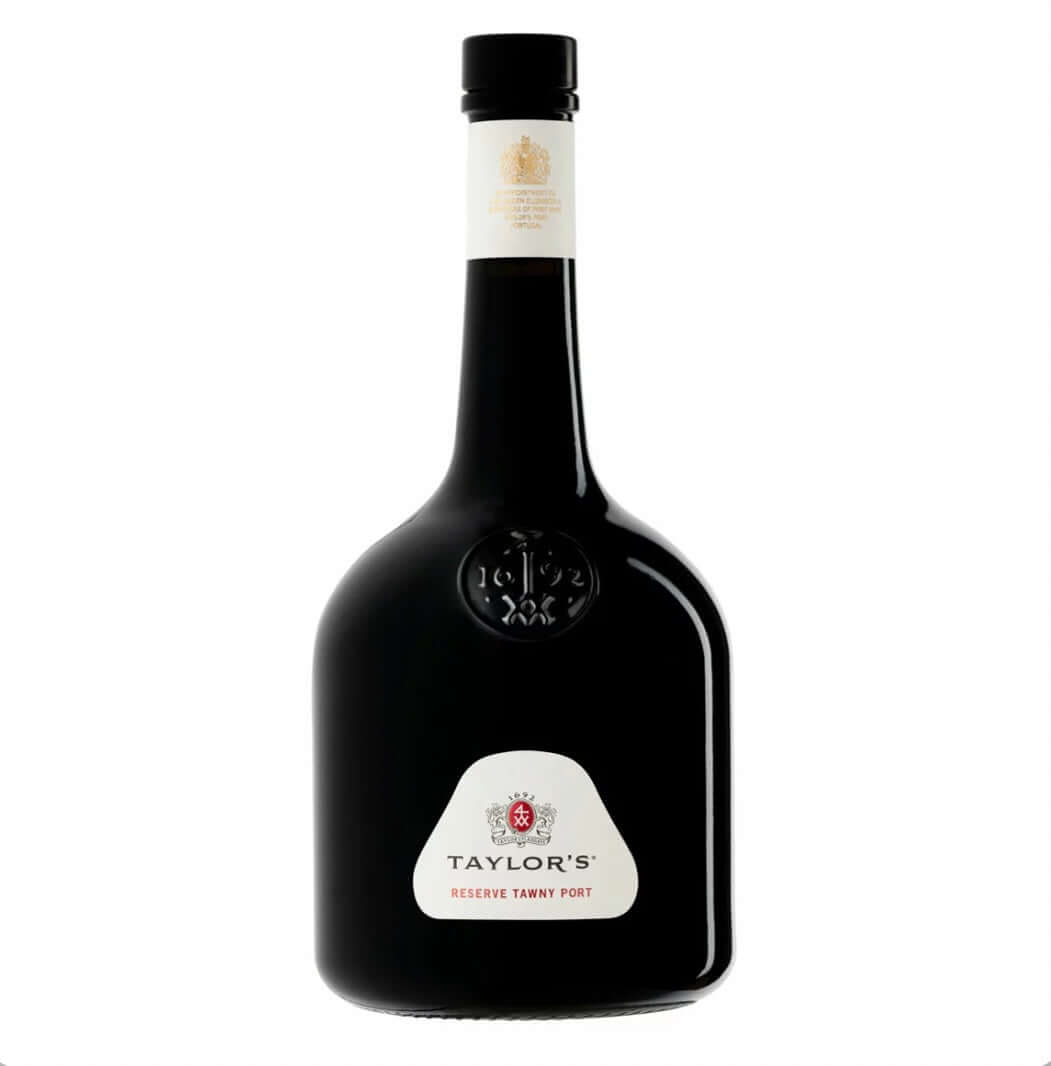
Port is a sweet, mostly red fortified wine from Portugal's Douro Valley, at around 20% ABV. Sherry is a fortified white wine from Jerez in southern Spain that runs from bone dry to very sweet, at 15 to 22%. At Christmas, port suits cheese and the end of the meal, while sherry covers everything from aperitif to pudding.
Both are fortified wines, meaning grape spirit is added to raise the strength. The difference lies in when that spirit goes in.
With port, the spirit is added part-way through fermentation. That stops the yeast before it has eaten all the grape sugar, so port is always sweet. It is made mainly from red grapes such as Touriga Nacional, Touriga Franca and Tinta Roriz, grown on the steep terraces of the Douro Valley.
With sherry, the wine is fermented to dryness first and fortified afterwards. Sherry therefore starts life dry, and any sweetness is added later by blending in wine from sun-dried grapes. The main grape is Palomino, a white variety, with Pedro Ximenez and Moscatel used for the sweet styles. Sherry is then aged for at least two years in a solera, a system of barrels in which younger wine is blended into older wine.
| Port | Sherry | |
|---|---|---|
| Where it is from | Douro Valley, northern Portugal | Jerez, Andalusia, southern Spain |
| Main grapes | Touriga Nacional, Touriga Franca, Tinta Roriz (red) | Palomino, Pedro Ximenez, Moscatel (white) |
| When it is fortified | During fermentation | After fermentation |
| Sweetness | Always sweet | Bone dry to very sweet |
| Strength | 19 to 22% ABV | 15 to 22% ABV |
| UK units in a 50ml glass | 1 unit at 20% ABV | 0.75 units at 15% ABV |
| UK units in a 75cl bottle | 15 units at 20% ABV | 11.25 units at 15% ABV |
There are four styles worth knowing, and the most expensive is not automatically the right one.
For most Christmas tables, an LBV or a reserve tawny is the better buy than a vintage port. Both are ready to drink, need no decanting, and keep for weeks after opening, which matters when a bottle is being shared a small glass at a time.
Sherry is far more varied than its reputation suggests. Cream sherry is only one corner of the range.
| Style | Taste | ABV | Serve at | Good with |
|---|---|---|---|---|
| Fino and manzanilla | Pale, bone dry, salty and fresh | 15 to 17% | 6 to 8°C | Olives, salted almonds, smoked salmon |
| Amontillado | Dry, amber, nutty | 16 to 22% | 12 to 14°C | Soup, roasted nuts, ham |
| Oloroso | Dry, dark, rich and walnutty | 17 to 22% | 12 to 14°C | Hard cheese, game, cold meats |
| Cream | Sweet, smooth, raisined | 15.5 to 22% | About 12°C | Mince pies, Christmas cake |
| Pedro Ximenez (PX) | Very sweet, almost syrupy, figs and raisins | 15 to 22% | 12 to 14°C | Christmas pudding, vanilla ice cream, blue cheese |
Neither is a substitute for the wine served with the main course. If you are still choosing that, our guide to wine with Christmas turkey covers the reds, whites and fizz that suit the bird.
Use a small wine glass rather than a tiny liqueur glass, so there is room to smell the wine, and pour modest measures of 50 to 75ml. A 75cl bottle gives 15 glasses at 50ml, or 10 at 75ml.
Fino and manzanilla should come straight from the fridge, and tawny port improves with a light chill. Ruby, LBV and vintage port are best at cool room temperature, around 16 to 18°C.
These are guides rather than deadlines. Reseal the bottle and keep it somewhere cool.
If the bottle is for after dinner with the cheese board, choose port. If it is for before the meal, or you want something dry, choose a fino or amontillado sherry. If you want one bottle that pleases the most people with mince pies and pudding, a tawny port or a cream sherry is the safe choice, and the less costly bottle of either will do the job well. As a present, a boxed port is the more traditional gift and sits happily alongside a bottle from our wine collection or inside one of our gift hampers.
Drinks House 247 delivers across Greater London 24 hours a day, typically in 30 to 45 minutes, and next day to mainland UK when you order by 4pm. There is no minimum order, and a free personalised gift note can be added to any order.
Usually, yes. Port is typically 19 to 22% ABV. Dry fino and manzanilla sherry sit at 15 to 17%, while oloroso, cream and Pedro Ximenez sherries can reach 22%, so the gap depends on the style.
Tawny port is best lightly chilled at about 10 to 14°C. Ruby, late bottled vintage and vintage port are served at cool room temperature, around 16 to 18°C. Fino and manzanilla sherry should be properly cold, at 6 to 8°C.
Ruby and late bottled vintage port keep for roughly four to six weeks once opened, and tawny for up to about two months, if resealed and kept cool. Vintage port is the exception and is best finished within two or three days.
Both work. A tawny port echoes the dried fruit and nuts in the pudding, while a sweet Pedro Ximenez sherry tastes of raisins and figs and matches its richness. Dry sherry and young ruby port are less successful.
18+ only. Challenge 25 applies. Please drink responsibly.
سيتم الموافقة على التعليقات قبل ظهورها.

Dry, high-acid whites such as Chablis and Sancerre, and brut champagne, are the classic matches for smoked salmon. Here is why they work, what to avoid and how cold to serve them.

