
سلة التسوق الخاصة بك فارغة


- الشمبانيا
- مجموعات الهدايا
- الارواح
- خمر
- الزهور والشوكولاتة
- المشروبات الغازية
- البيرة وعصير التفاح
By Javad Rezaei Zadeh, Drinks House 247
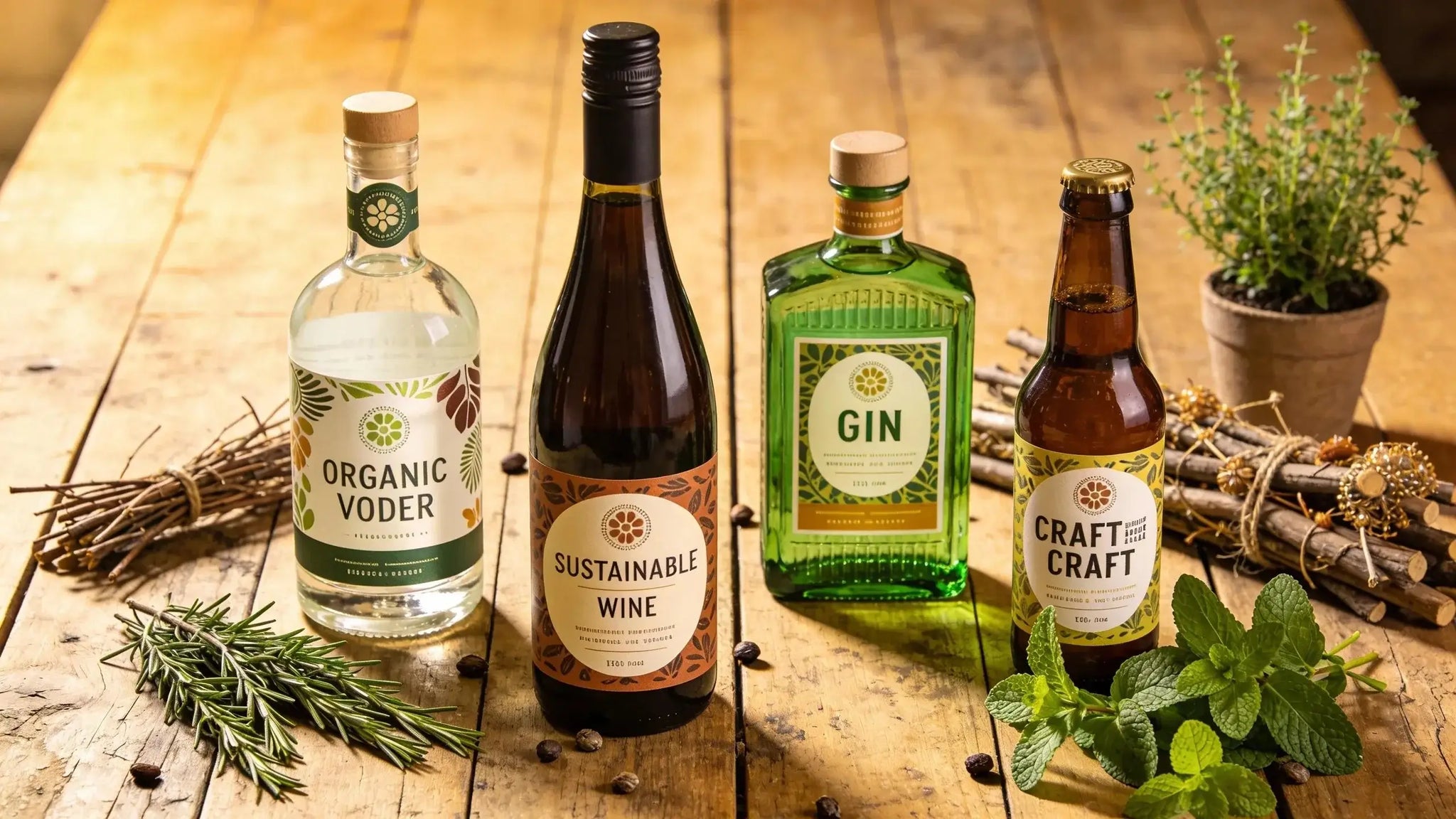
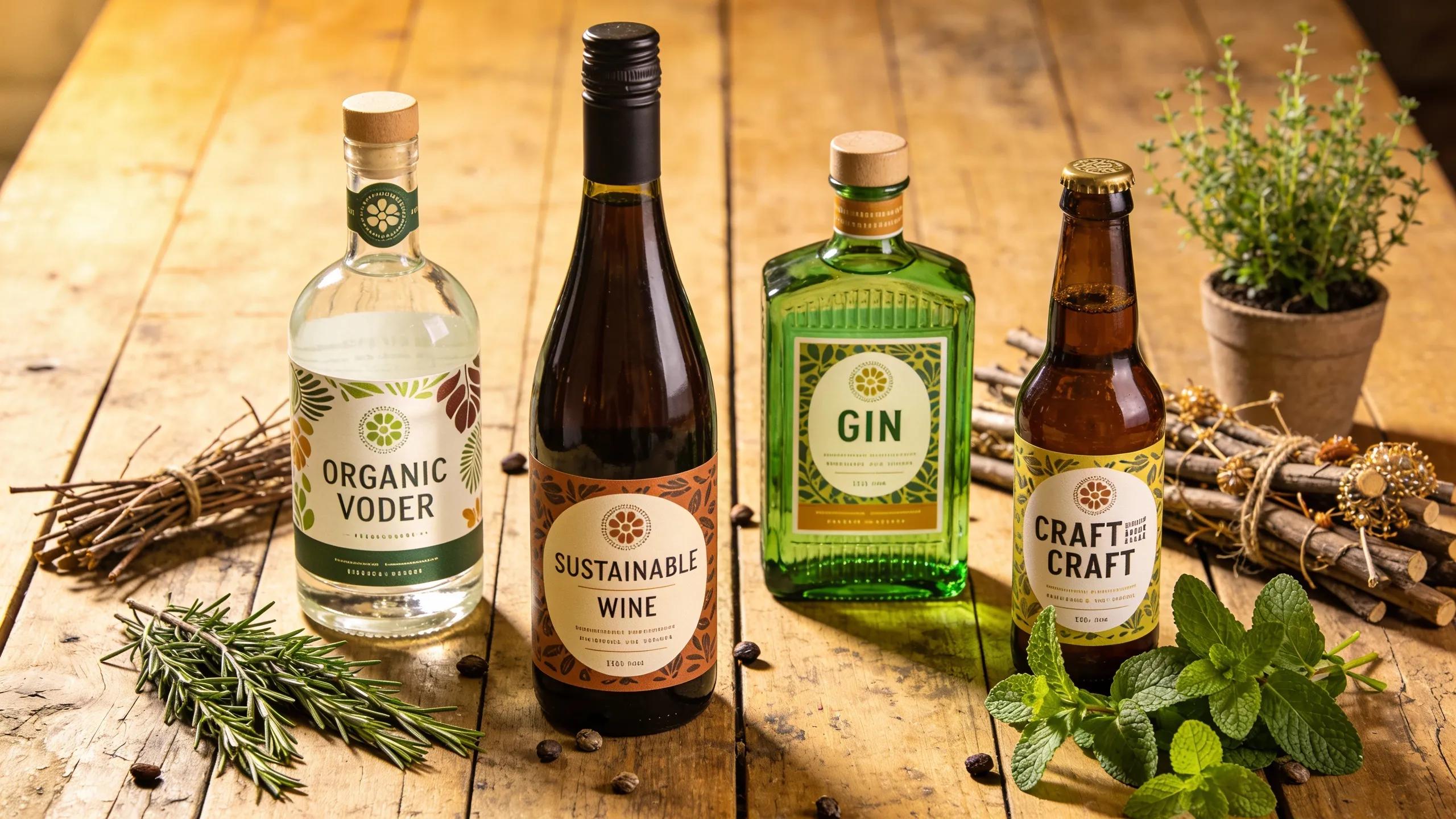
The growing demand for eco-friendly and sustainable products has reshaped consumer preferences across various markets, particularly in the alcohol industry. This guide comprehensively explores eco-friendly and sustainable alcohol brands in the UK, covering organic vodka, sustainable wine, green gin, and craft beer. Readers will gain insights into the definitions and importance of sustainable alcohol, as well as examples of leading brands within this sector. Many consumers seek alternatives that not only delight their palates but also align with their values of environmental stewardship. This guide promises to illuminate the options available, including detailed product characteristics and certifications. Sections include an overview of these brands, guidance on sustainable production methods, and an assessment of the expanding market trends for eco-friendly alcohol.
Eco-friendly alcohol refers to beverages produced with minimal environmental impact, emphasizing sustainable farming practices, organic certifications, and eco-conscious production methods. This growing sector plays a vital role in reducing the carbon footprint associated with traditional alcohol manufacturing. Brands in the UK are increasingly committed to sustainability, implementing practices that prioritize renewable resources, efficient energy use, and responsible waste management. By choosing sustainable options, consumers contribute to environmental protection while enjoying quality beverages. For those looking to Buy Alcohol Online, this means access to products that align both with taste and ethical standards.
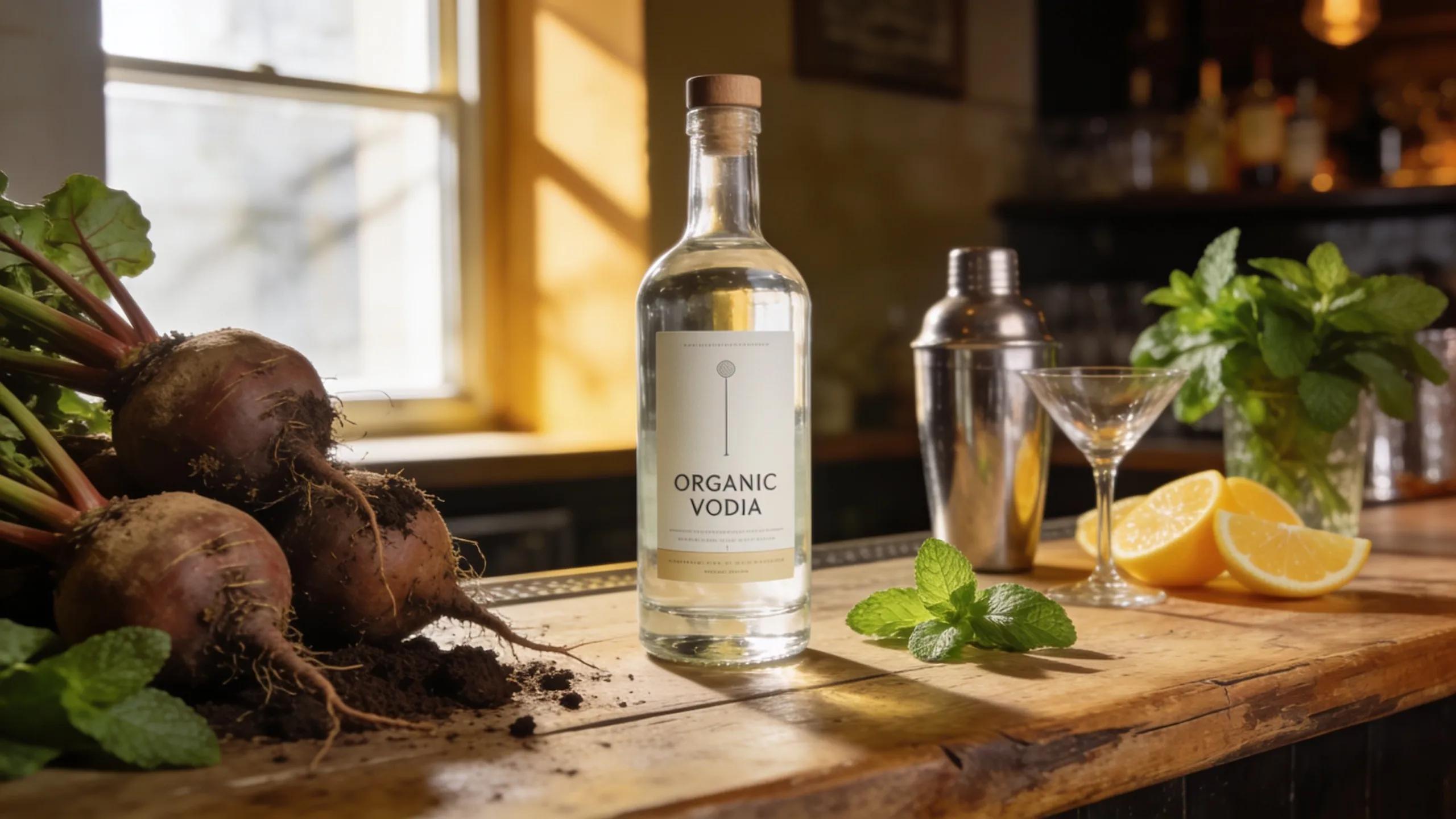
Organic vodka is crafted using certified organic ingredients, ensuring that no synthetic pesticides or fertilizers were involved in its production. This approach not only benefits the environment but also enhances the quality and flavor of the vodka. A notable example in the UK is Narez Organic Vodka, a premium product made from handpicked sugar beets. Its meticulous production process results in a smooth, high-quality spirit that adheres to sustainable practices. Priced at approximately �A359.99 for a 70cl bottle, Narez exemplifies the flavor and ethical considerations consumers increasingly prioritize.
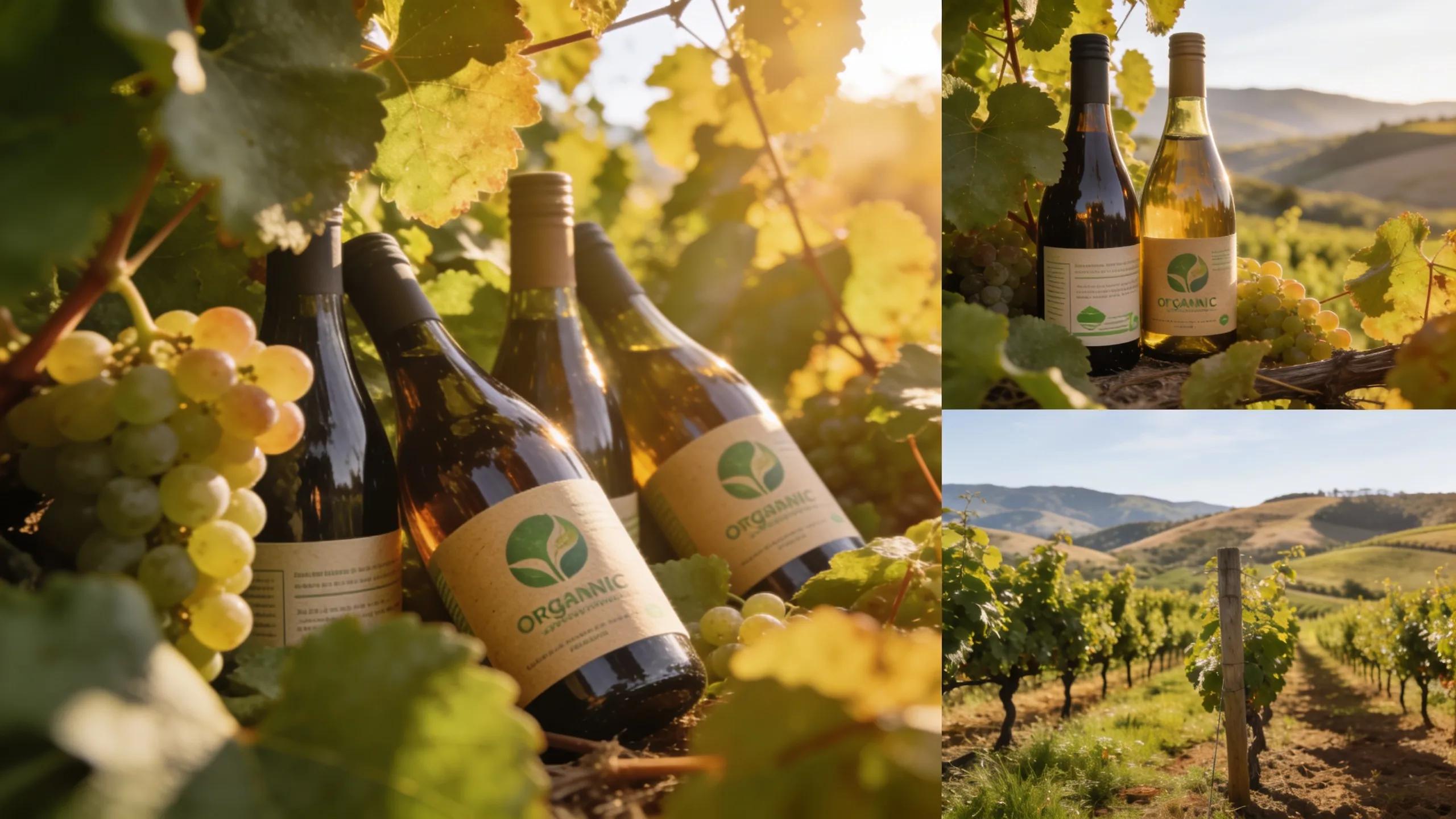
Sustainable wine encompasses various practices aimed at protecting the environment while ensuring the quality of the wine. Products such as Drinks House 247 Sustainable Wines showcase a curated collection from vineyards that prioritize environmental stewardship. These wines are produced using methods that minimize chemical intervention, conserve water, and reduce energy consumption. Certified Organic Wines adhere to strict organic farming standards, ensuring a product that is as kind to the land as it is enjoyable to drink.
Green gin derives its environmental benefits from organic production methods and natural ingredients, leading to a cleaner, more sustainable spirit. Engine Gin is a prime example, emphasizing its commitment to using organic ingredients sourced sustainably. This gin not only focuses on great taste but also on reducing its environmental impact, reflected in its production methods. Priced at approximately �A367.00 for a 70cl bottle, Engine Gin appeals to consumers who refuse to compromise on quality or ethics.
The craft beer sector is also embracing sustainability, with many local breweries implementing eco-friendly practices. These breweries often focus on using locally sourced ingredients, promoting community ties while minimizing transportation emissions. Additionally, they engage in initiatives aimed at reducing water usage and waste generation during the brewing process. By supporting local craft breweries that are committed to sustainability, consumers can enjoy high-quality beers while contributing to their local economies and reducing their carbon footprint.
Eco-friendly and organic alcohol brands reflect a growing consumer consciousness around environmental impact and product sourcing. These brands often emphasize organic farming methods, sustainable packaging, and transparent production standards. As regulations evolve, certifications like organic and biodynamic are becoming important identifiers for consumers concerned with sustainability. In the UK, brands such as Narez and Engine Gin exemplify these principles, offering products that are not only enjoyable but also responsibly made. For those seeking to purchase Alcohol Online, these brands present compelling options that align with green values.
Organic certifications require adherence to specific agricultural practices that avoid synthetic pesticides and fertilizers, ensuring that the product is made in an environmentally sound manner. Biodynamic certifications go a step further, encompassing holistic and ecological practices based on the teachings of Rudolf Steiner. Both certifications provide consumers with assurances regarding the quality and sustainability of their alcohol choices, contributing to a more informed purchasing decision.
Several sustainable production methods can significantly reduce the carbon footprint of alcohol brands:
Each of these practices contributes to a holistic approach to sustainability, ensuring that the production process aligns with environmental stewardship goals.
Numerous brands across the UK focus on eco-friendly and organic alcohol production, each with unique offerings:
| Brand | Type | Key Feature | Price |
|---|---|---|---|
| Narez Organic Vodka | Vodka | Handcrafted from sugar beets using organic farming | �A359.99 for 70cl |
| Engine Gin | Gin | Focus on organic ingredients and carbon-neutral production methods | �A367.00 for 70cl |
| Drinks House 247 Sustainable Wines | Wine | Curated from environmentally responsible vineyards employing organic and biodynamic practices | Prices vary |
The availability of such brands presents options for consumers who value quality alongside ecological consciousness. These brands provide products that are high in flavor but low in environmental impact.
Sustainable packaging plays a crucial role in minimizing environmental impact. Many eco-friendly alcohol brands utilize biodegradable or recyclable materials, ensuring that their packaging does not contribute to landfill waste. Innovations include the use of lightweight glass bottles that reduce material usage and plastic-free shipping methods that eliminate single-use plastics. Additionally, companies like Drinks House 247 are keen on offering rapid delivery services that respect environmental principles, using electric vehicles or optimized routes to reduce carbon emissions during transport. This dual focus on sustainable packaging and responsible delivery methods reflects a growing trend among consumers towards greener choices.
Several types of sustainable packaging are commonly utilized in the eco-friendly alcohol sector:
These innovative packaging solutions not only appeal to environmentally conscious consumers but also enhance the overall ethos of sustainability within these brands.
The ability to offer rapid delivery assists consumers looking to purchase eco-friendly alcohol conveniently. By streamlining logistics and selecting eco-conscious transportation methods, brands can ensure that their sustainable practices extend beyond production. Fast delivery enhances customer satisfaction while supporting environmentally friendly practices, making the purchase of eco-friendly alcohol options accessible and appealing.
As awareness of environmental issues grows, the market for sustainable alcohol products has expanded significantly. This growth is attributed to increased consumer demand for beverages that align with personal values regarding sustainability.
Recent data indicates that demand for organic alcohol has surged, with sales increasing annually as more consumers opt for environmentally friendly options. The trend is expected to continue, driven by an influx of new brands and innovations within the sector that emphasize organic certification and sustainability.
It is clear that the organic alcoholic drinks market in the UK has experienced substantial growth since the mid-1980s, evolving from a niche market to one integrated into mainstream retail.
Growth of Organic Alcoholic Drinks in the UK Market
In 1985, organic wines were imported to the UK by 12 independent companies, and were marketed and sold as such by predominantly specialist wine merchants and organic or health-food shops. By 1992 most high-street multiple wine-merchants and supermarket chains were selling organic wines. Over the same period, organic beers found their way onto the shelves of supermarkets, with a major regional brewery labelling its highly successful organic beer as a buyer's own brand for Tesco. Organic spirits have become more widely available, and interest in them has grown to the point that a Scotch whisky has been made using organically farmed barley; it is now maturing in wood and will be released as a single malt. Alcoholic drinks, 1985
Sustainable alcohol brands play a vital role in minimizing environmental damage associated with traditional alcohol production. By employing eco-friendly practices, these brands not only reduce their carbon footprint but also help preserve natural resources. The collective impact of consumer choices thus contributes to a more sustainable industry.
In the realm of organic vodka, Narez Organic Vodka stands out for its commitment to quality and sustainability. Its handcrafted nature and use of organic ingredients set it apart in a crowded market. Similarly, Engine Gin has carved out a niche by focusing on sustainable sourcing and carbon-neutral production methods, appealing to a growing base of conscientious consumers.
Within the sustainable wine segment, brands like Drinks House 247 are leading the charge by offering wines from vineyards dedicated to environmental responsibility and biodynamic farming practices. Their curated selection underscores the importance of ethical sourcing in the wine industry, appealing to consumers who prioritize sustainability alongside taste.
سيتم الموافقة على التعليقات قبل ظهورها.