
سلة التسوق الخاصة بك فارغة


- الشمبانيا
- مجموعات الهدايا
- الارواح
- خمر
- الزهور والشوكولاتة
- المشروبات الغازية
- البيرة وعصير التفاح
The demand for after hours liquor has transformed significantly over recent years, driven by changing consumer lifestyles, entertainment patterns, and the emergence of sophisticated delivery services. Whether planning a last-minute celebration, hosting unexpected guests, or simply needing a bottle for a special occasion when traditional shops have closed, understanding the landscape of late-night alcohol purchasing has become increasingly important. This comprehensive guide explores the regulatory environment, purchasing options, and responsible considerations surrounding after hours liquor access in the UK and beyond.
Understanding the legal parameters governing alcohol sales is fundamental to comprehending after hours liquor availability. In the UK, licensing laws have evolved considerably since the liberalisation of opening hours in 2005, yet specific regulations still govern when and where alcohol can be sold.
The Licensing Act 2003 revolutionised British drinking culture by allowing premises to apply for 24-hour licences, theoretically enabling round-the-clock alcohol sales. However, local authorities maintain significant control over granting such permissions, balancing commercial interests against community concerns about noise, disorder, and public health.
Key regulatory considerations include:
Local councils can impose conditions on licences or even revoke them if establishments fail to uphold the four licensing objectives: preventing crime and disorder, ensuring public safety, preventing public nuisance, and protecting children from harm. This framework means understanding California's restrictions on alcohol sales between 2:00 a.m. and 6:00 a.m. provides an interesting contrast to UK approaches, highlighting how different jurisdictions manage late-night alcohol access.
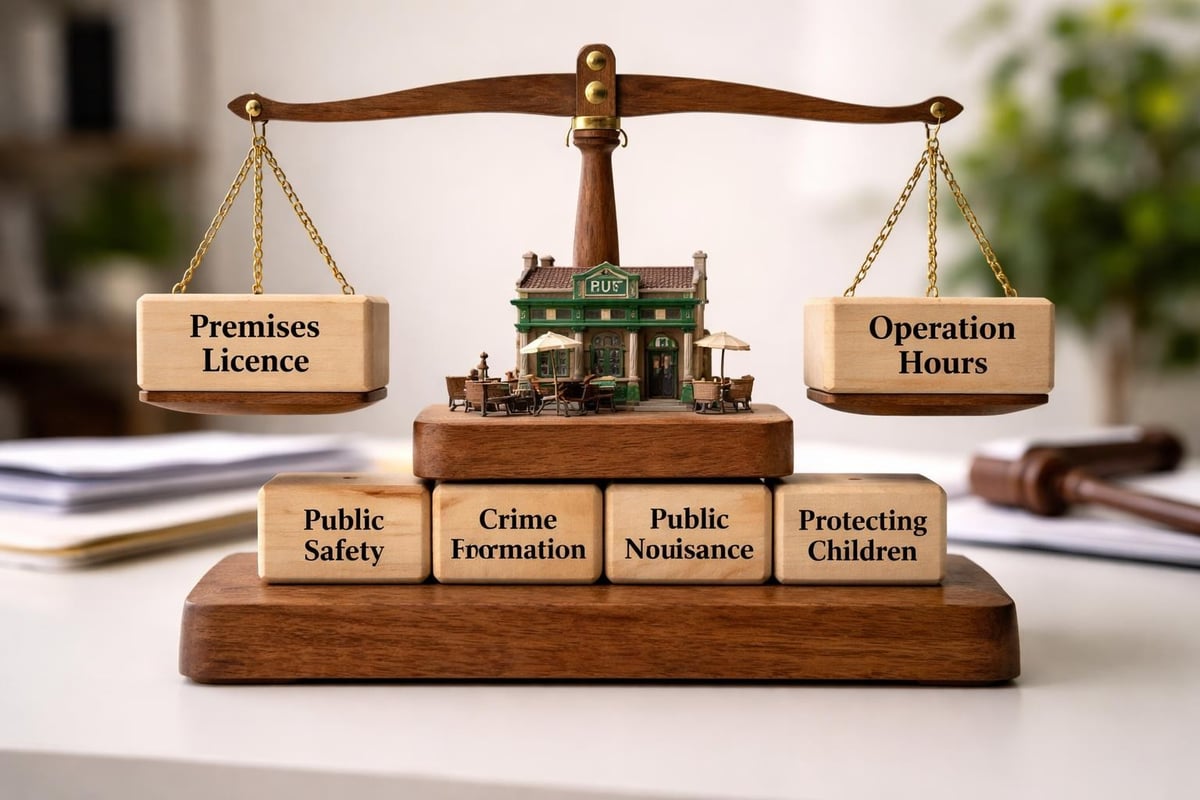
Different countries adopt vastly different approaches to regulating after hours liquor sales. Research examining extended opening hours in Sweden revealed that increased retail hours led to higher alcohol purchases but didn't necessarily correlate with increased crime or adverse health outcomes, challenging common assumptions about late-night availability.
In the United States, state-by-state variations create a patchwork of regulations. Some jurisdictions maintain strict cutoff times, whilst others have begun liberalising their approach. Recent developments include South Carolina's movement toward limited Sunday liquor sales, demonstrating ongoing legislative evolution around alcohol access.
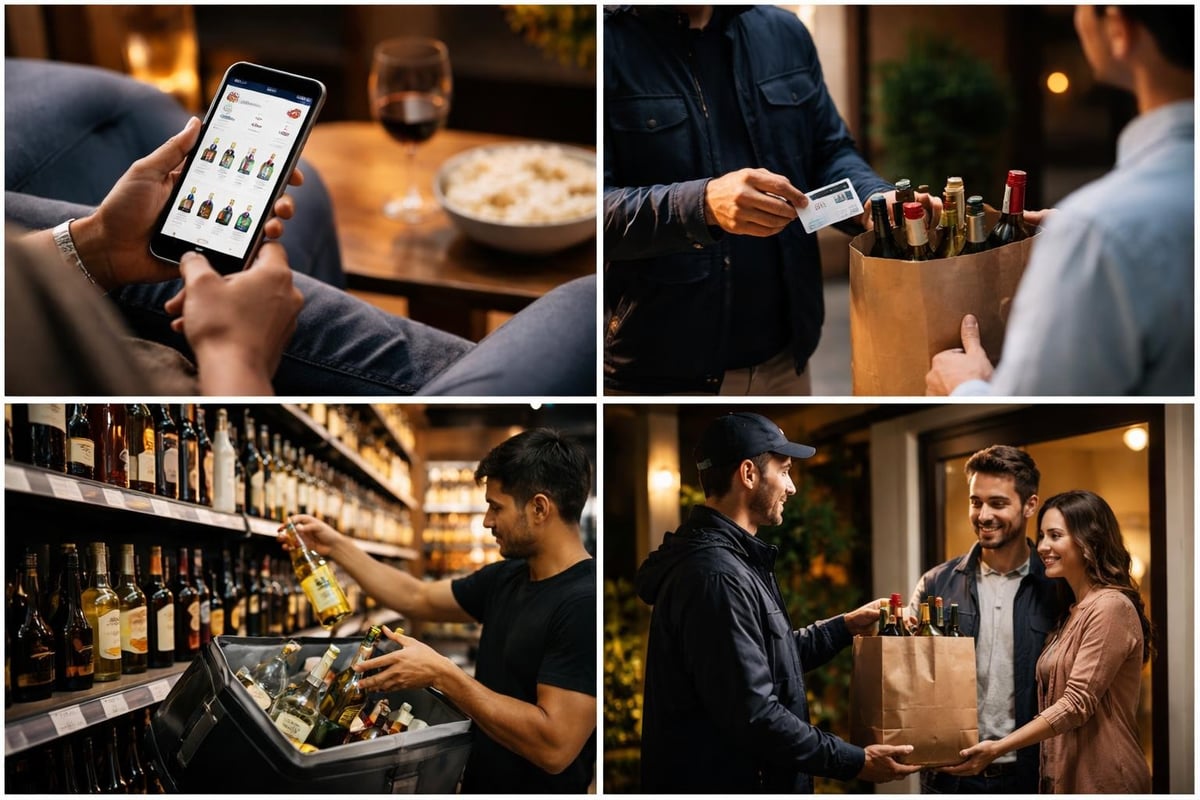
The digital age has revolutionised how consumers access after hours liquor, with technology-enabled delivery services filling gaps left by traditional retail limitations. This transformation reflects broader shifts in consumer behaviour and expectations around convenience.
Delivery platforms have emerged as the primary solution for after hours liquor access in many urban areas. These services operate under their own licensing arrangements, enabling them to provide alcohol outside conventional retail hours whilst maintaining regulatory compliance.
Professional delivery services offer several advantages:
Services like Drinks House 247 exemplify this modern approach, offering same-day delivery in London and next-day service across the UK, ensuring customers can access quality beverages when traditional options are unavailable.
| Option | Availability | Selection | Convenience | Price Point |
|---|---|---|---|---|
| 24-Hour Supermarkets | Limited locations | Moderate | High (physical) | Competitive |
| Late-Night Off-Licences | Urban areas mainly | Good | Medium | Premium |
| Delivery Services | Wide coverage | Excellent | Very High | Variable |
| Hotel/Airport Shops | Very limited | Poor | Low | Expensive |
The table illustrates how delivery services often provide the optimal balance between selection, convenience, and availability for those seeking after hours liquor access.
Whilst accessing after hours liquor has become more convenient, understanding the health implications of late-night alcohol consumption remains crucial for responsible decision-making.
Many people consume alcohol in the evening believing it aids relaxation and sleep. However, research from the Cleveland Clinic demonstrates how alcohol before bedtime disrupts sleep patterns, reducing REM sleep quality and leading to fragmented rest patterns.
Specific effects include:
Understanding these impacts helps consumers make informed decisions about when and how much to consume, particularly during late-night occasions.
The health risks associated with alcohol consumption extend beyond immediate impairment. Regular late-night drinking can contribute to various health conditions, including liver disease, cardiovascular issues, and increased cancer risk.
Responsible after hours liquor consumption involves several considerations. Firstly, planning ahead reduces impulsive purchasing and overconsumption. Secondly, alternating alcoholic drinks with water maintains hydration. Thirdly, eating substantial food alongside drinking slows alcohol absorption. Finally, understanding personal limits and respecting them prevents harmful consumption patterns.
Real-world situations demonstrate when after hours liquor services provide genuine value versus encouraging potentially problematic consumption patterns.
Certain circumstances naturally create demand for after hours liquor access:
These scenarios highlight how convenient access to alcohol delivery services serves practical needs rather than encouraging excessive consumption.
After hours liquor services prove particularly valuable when sourcing premium products or gifts. High-quality spirits, champagnes, and wine selections may be unavailable at convenience stores operating late hours, but specialist delivery services maintain extensive inventories.
For instance, accessing premium cognacs like Hennessy X.O Extra Old through delivery platforms ensures gift-givers can select impressive presentations even when planning at the last minute. This capability extends to curated gift sets, rare vintages, and specialist products that require knowledgeable curation.
The availability of after hours liquor affects communities in complex ways, balancing economic benefits against potential social costs.
Extended alcohol availability creates employment opportunities, supports hospitality industries, and generates tax revenue. Delivery services particularly contribute to the gig economy whilst providing flexible work arrangements. Moreover, legitimate businesses operating transparently within regulatory frameworks prevent the emergence of unregulated alternatives that pose greater risks.
Community apprehensions about after hours liquor access typically focus on noise, antisocial behaviour, and public health. Examples like Macon, Georgia mandating earlier bar closings demonstrate how communities sometimes restrict late-night alcohol service to address crime concerns.
Responsible operators address these concerns through:
These measures help balance accessibility with social responsibility, ensuring after hours liquor services benefit rather than burden communities.
Technology continues reshaping how consumers access after hours liquor, with innovations enhancing both convenience and safety.
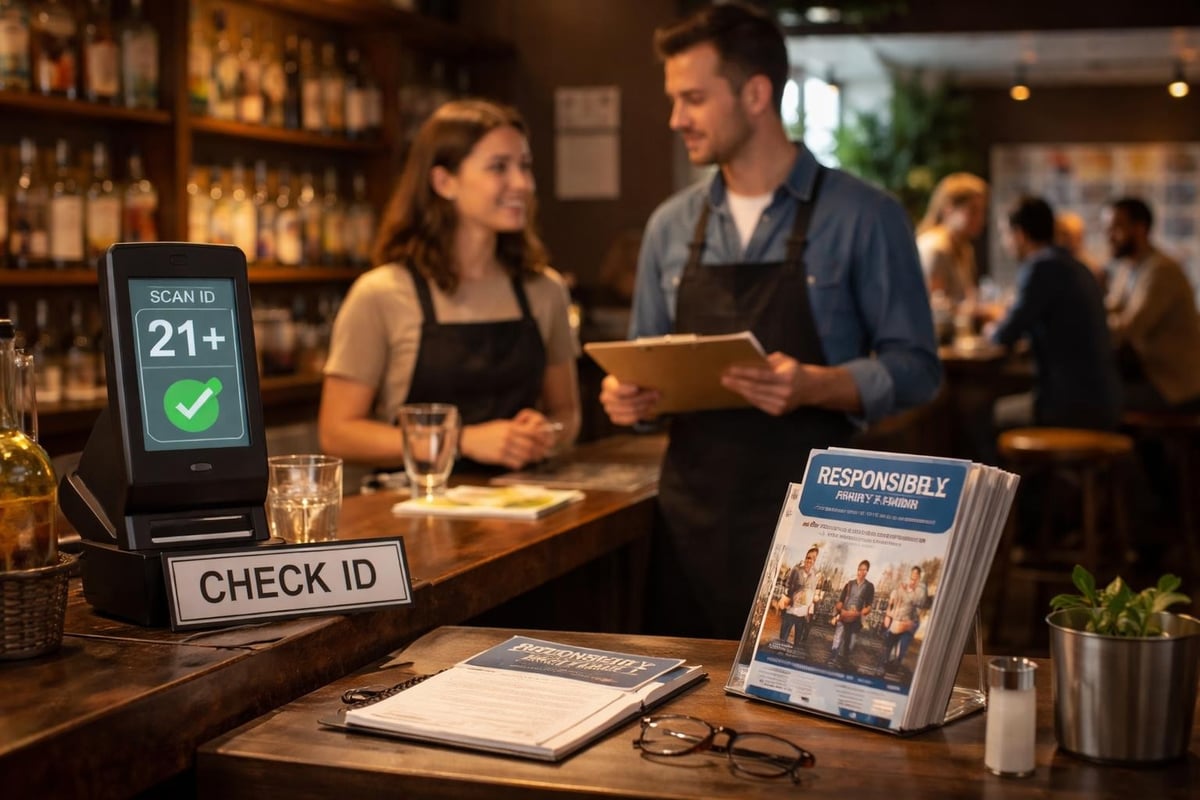
Modern alcohol delivery platforms employ sophisticated technologies ensuring seamless transactions. GPS tracking provides real-time delivery updates, whilst secure payment systems protect financial information. Advanced age verification systems using AI and document scanning ensure regulatory compliance without creating friction in the customer experience.
Mobile applications particularly enhance accessibility, allowing customers to browse extensive selections, compare products, and complete purchases within minutes. These platforms often include educational content about products, helping consumers make informed choices even when purchasing outside traditional retail hours.
Behind-the-scenes technology ensures after hours liquor services maintain comprehensive selections. Real-time inventory systems prevent disappointed customers by accurately reflecting stock levels. Predictive analytics help services anticipate demand patterns, ensuring popular items remain available during peak periods.
This technological sophistication means services can offer selections rivalling established wine merchants or specialist off-licences, providing everything from everyday wines to premium champagnes for special deliveries across London.
Whilst after hours liquor services provide valuable convenience, strategic planning often eliminates urgency whilst ensuring better selection and value.
Maintaining a modest home bar reduces dependency on after hours purchases. A well-curated selection might include:
This approach ensures hosts can accommodate most situations without emergency purchases, whilst exploring alcohol for sale options helps identify quality products worth stocking.
Regular delivery schedules ensure households never run completely dry whilst discovering new products. Many services offer curated selections delivered monthly, combining convenience with exploration. This proactive approach transforms alcohol purchasing from reactive scrambling to enjoyable anticipation.
Emerging trends suggest continued evolution in how consumers access alcohol outside traditional hours, with technology, regulation, and consumer preferences all influencing future developments.
UK alcohol policy continues adapting to modern consumption patterns. Future changes may include more standardised licensing approaches across local authorities, clearer guidance for delivery services, and potentially extended retail hours in certain areas. European and international developments will likely influence British policy, particularly as cross-border e-commerce grows.
Environmental consciousness increasingly influences purchasing decisions, including after hours liquor access. Delivery services are adopting electric vehicles, optimising routes to reduce emissions, and implementing sustainable packaging. Ethical sourcing, supporting small producers, and transparent supply chains are becoming differentiating factors even in convenience-focused segments.
Additionally, social responsibility measures continue strengthening. Enhanced data sharing between retailers and health services may enable earlier intervention for problematic consumption patterns, whilst maintaining customer privacy. Technology enabling more sophisticated age verification could further reduce underage access whilst streamlining legitimate purchases.
Understanding after hours liquor availability involves balancing convenience, legality, and responsibility. The evolution from restrictive licensing to modern delivery services reflects changing consumer needs whilst maintaining important safeguards. Whether you need same-day delivery in London or next-day service elsewhere in the UK, Drinks House 247 offers comprehensive selections of wines, spirits, champagnes, and gift sets, ensuring quality beverages are accessible when you need them most.
سيتم الموافقة على التعليقات قبل ظهورها.


