
Your Cart is Empty


- Champagne
- Gifts & Hampers
- Whisky & Spirits
- Wine
- Caviar & Gourmet
- Same-Day Delivery
- Beer
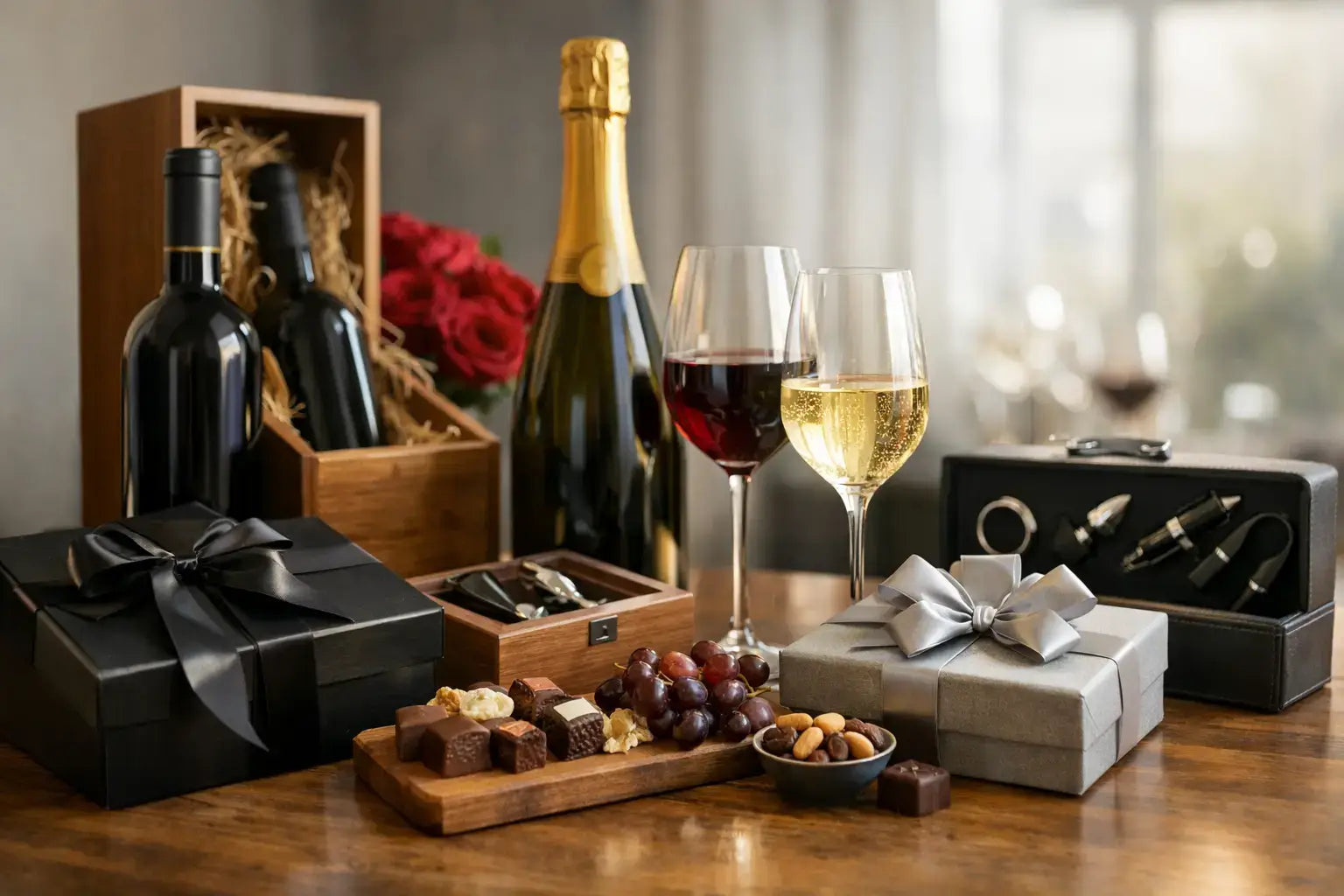
A case of anonymous red no longer feels generous. When someone sends wine now, the expectation is sharper - better bottle choice, better presentation, and a gift that feels chosen for the occasion rather than pulled from a generic hamper page. That shift is exactly what is driving premium wine gift trends, especially among buyers who want something polished without spending hours comparing labels.
The market is moving in two directions at once. Buyers still want recognised quality and gift-worthy presentation, but they also want speed, convenience and confidence that the bottle will land well with the recipient. For retailers and shoppers alike, the premium end of wine gifting is no longer just about price. It is about relevance, timing and how easily the gift matches the moment.
The strongest change is a move away from one-size-fits-all gifting. Premium buyers are choosing with more intent. Instead of sending a broad "wine gift" category item, they are filtering by grape, region, bottle size, food pairing, presentation and occasion. A birthday bottle, a thank-you gift and a corporate delivery may all sit in the premium bracket, but they should not look the same.
That matters because premium is increasingly defined by the overall gifting experience. A respected producer still matters. So does a fine wine region, a vintage marker or a luxury gift set. But presentation, speed of fulfilment and confidence in stock availability now carry real weight. If a buyer needs a polished gift delivered quickly, the service behind the bottle becomes part of the premium value.
There is also a visible rise in gifting that feels knowledgeable without becoming too niche. Most shoppers want to send something with credibility, but not a bottle so obscure that the recipient feels they need a tasting certificate to enjoy it. That is why classic French regions, well-known Italian wines, elegant rosé Champagne alternatives, and high-quality New World wines continue to perform well in gifting.
Prestige still sells. Burgundy, Bordeaux, Barolo, Rioja and top-tier Napa or Marlborough names carry immediate gifting value because the recipient recognises the signal. The difference now is that buyers are becoming more selective within those regions.
Rather than defaulting to the most expensive bottle available, they are looking for clearer fits. A fine Chablis works well for a client gift because it feels polished and broadly appealing. A mature Rioja can land better for a dinner host than a heavily branded luxury red because it suggests taste rather than spend for the sake of it. Premium gifting is becoming less about showing off and more about getting the choice right.
That creates an interesting trade-off. Famous regions offer reassurance, but they can also feel predictable if every gift follows the same pattern. Lesser-known appellations, grower wines or boutique producers can feel more personal, yet they require more confidence from the buyer. In practice, the sweet spot is often a bottle with recognisable regional credibility and just enough distinctiveness to avoid looking generic.
One of the clearest premium wine gift trends is the growing importance of presentation. A strong bottle without gift-ready packaging can still work, but it no longer feels complete for many occasions. Buyers expect wooden boxes, elegant gift wrapping, coordinated accessories or pairings with chocolates and flowers when the moment calls for it.
This is not only about aesthetics. Presentation reduces uncertainty. If someone is ordering for an anniversary, a client thank-you or a same-week birthday, they want to know the gift will arrive looking intentional. The packaging does part of the talking before the bottle is even opened.
There is also more demand for curated sets over random bundle-building. A premium red paired with artisan chocolate or a refined white wine selected for spring entertaining feels more assured than a loosely assembled basket. Curation suggests expertise, which matters when the sender wants the gift to reflect well on them.
Vintage and collectability still matter, especially for wine enthusiasts and milestone gifting, but they are no longer the default premium signal for everyone. Many buyers are choosing high-quality current releases, biodynamic wines or standout producer labels over older bottles that require more explanation.
That is partly a practical shift. Not every recipient wants a cellar-worthy wine. For many occasions, drinkability now is more useful than long-term prestige. A beautifully made Champagne, a refined Sancerre or a structured Super Tuscan can feel more relevant than a rarer bottle that is better in theory than in the glass for the average drinker.
The same applies to format. Magnum gifting is becoming more attractive because it creates theatre and generosity in one move. For celebrations, larger bottles can have more impact than chasing rarity at a similar spend. It depends on the audience, of course. A collector may appreciate provenance and vintage detail, while a party host may simply want something striking and ready to pour.
Premium wine gifting is increasingly organised by occasion, and that is changing what people buy. Wedding gifts lean towards Champagne, large-format bottles and elegant white or rosé options that feel celebratory and easy to enjoy. Corporate gifting often favours safe prestige - classic regions, established houses and packaging that looks smart without being flashy.
Birthday and anniversary gifting leaves more room for personality. This is where richer reds, vintage-dated bottles and indulgent pairings perform well. The key point is that occasion-led merchandising is not just helpful for browsing. It reflects how people actually shop. They are not asking, "What wine should I buy?" They are asking, "What works for this moment, at this budget, and can it get there on time?"
That final point matters more than many premium brands admit. A beautifully chosen bottle loses value if fulfilment feels uncertain. For urgent gifting, especially in London, premium and convenience now sit comfortably together. A buyer who needs a polished gift today is not lowering their standards. They are simply expecting the service to keep pace with the occasion.
Another noticeable shift in premium wine gift trends is the move towards wines that signal taste without becoming difficult. Biodynamic and organic wines are part of this. So are kosher wines, low-intervention bottles and producer-led selections with a clear story. These categories appeal because they feel considered and current.
Still, there is a balance to strike. A premium gift should feel thoughtful, not risky. If the recipient is known to enjoy adventurous wines, these choices can be excellent. If not, the better move may be a polished classic with broad appeal. The strongest gifting ranges make room for both - recognisable benchmarks and more specialist options for buyers who want something more specific.
This is where a well-structured retailer earns trust. Shoppers need to move quickly between broad premium gifting and narrower requirements such as grape, region, dietary or style preferences. The easier that journey is, the easier it becomes to buy well under time pressure.
Fast delivery used to sit in the convenience category. Now it is part of premium gifting. That is not because speed replaces quality, but because timing is central to the gift itself. A bottle that arrives exactly when needed can feel more premium than a slightly grander option that misses the moment.
For urban buyers, this is especially relevant. Last-minute does not always mean low-effort. Plenty of premium purchases happen because a dinner invitation appears late, a work win needs marking immediately, or a forgotten date needs rescuing properly. In those moments, access to fine wine, Champagne and gift-ready presentation with rapid fulfilment becomes a genuine premium service.
That is where Drinks House 247 fits naturally into current buying habits - not only as a fast delivery option, but as a place where urgency does not force a compromise on bottle quality or gifting presentation.
Expect the category to become more curated, more occasion-specific and more flexible on what counts as luxury. For some buyers, that will mean vintage reds and wooden presentation boxes. For others, it will mean biodynamic whites, magnums for hosting, or elegant wine-and-chocolate sets delivered the next day without fuss.
The common thread is confidence. Buyers want gifts that look premium, feel appropriate and arrive when promised. They want a bottle that says something positive about their judgement, whether they are sending to a friend, a client or a family member.
The best premium wine gift is rarely the most expensive one on the page. It is the one that fits the person, suits the occasion and arrives ready to impress.
Comments will be approved before showing up.