
سلة التسوق الخاصة بك فارغة


- الشمبانيا
- مجموعات الهدايا
- الارواح
- خمر
- الزهور والشوكولاتة
- المشروبات الغازية
- البيرة وعصير التفاح
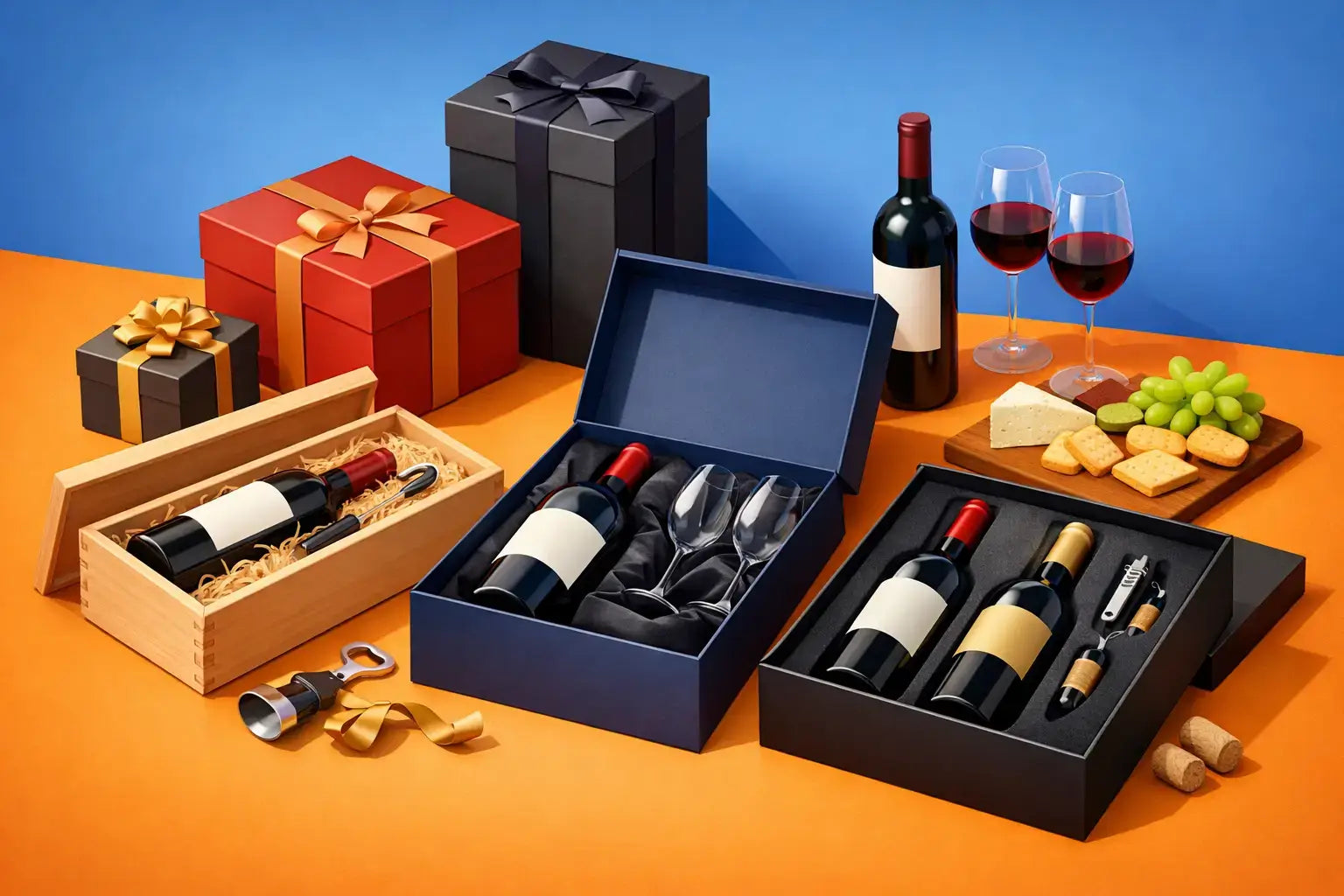
A rushed corporate gift is easy to spot. The packaging looks generic, the wine feels like an afterthought, and the whole thing lands with less impact than intended. Corporate wine gift boxes work best when they look considered, arrive on time, and match the relationship behind the gesture.
For businesses, that matters more than ever. A gift box is not just a bottle in a carton. It represents your standards, your timing, and how well you understand the person receiving it. If you are sending thanks to a long-standing client, marking a deal, rewarding a team, or handling seasonal gifting at scale, the details make the difference.
Some business gifts feel forced. Wine, when chosen properly, rarely does. It is recognisable, versatile, and easy to position at different price points without looking cheap or overly flashy.
That said, the appeal is not universal in exactly the same way. A premium red for a senior client sends a different message from a mixed wine and chocolate set for a wider team campaign. The strength of corporate wine gift boxes is flexibility. They can be formal, celebratory, modest, or high-end, depending on the occasion and the recipient.
They also solve a practical problem. Many businesses need gifts that can be ordered quickly, dispatched reliably, and presented well without creating a time-heavy admin exercise for the person arranging them. That is where a well-structured gifting range matters. You want clear choices, dependable fulfilment, and packaging that already looks ready to send.
Price helps, but presentation does more of the work than many buyers expect. A good gift box should feel complete before it is opened. That means quality outer packaging, secure bottle placement, and a finish that looks appropriate for business gifting rather than a casual retail order.
The wine itself needs to be credible. It does not always have to be expensive, but it should feel selected rather than random. Well-known regions, respected producers, and classic styles usually perform better in corporate settings than very niche bottles that need explanation. If the recipient is a wine enthusiast, you can be more adventurous. If not, familiarity often wins.
Extras can improve the gift, but only when they are relevant. Champagne and truffles, red wine with artisan chocolate, or a duo presentation box can all work. Overloading a hamper with filler items tends to weaken the impression. Clean, deliberate gifting usually reads as more premium than cluttered abundance.
If a gift arrives late, damaged, or visibly rushed, the product inside has to work much harder. In corporate gifting, timing is part of the gift itself. Sending a box for a closing dinner, a retirement, or a year-end thank you only works if it lands when it should.
That is why fulfilment matters as much as product choice. For some buyers, next-day delivery is enough. For others, especially when plans change quickly, same-day availability can save an event, a client relationship, or a diary that suddenly needs action. A premium gift stops feeling premium very quickly if logistics fail.
The safest mistake in corporate gifting is being too generic. The riskier mistake is being too personal without enough information. Most buyers need a middle ground.
If you know the recipient well, tailor the gift. A classic Bordeaux, Rioja, or fine Burgundy can make sense for someone with clear tastes. If you know they prefer sparkling wine, Champagne is often the stronger corporate signal than still wine, especially for milestone moments.
If you do not know their preferences, go broad and polished. A quality Sauvignon Blanc, a smooth Malbec, a balanced Rioja, or a reputable Champagne house usually travels well across different audiences. Sweet wines, orange wines, and very high-tannin reds can be excellent, but they are less universal choices for business gifting.
For larger campaigns, consistency matters. It is usually better to send one strong, widely appealing selection than create too many versions that complicate ordering and dispatch. The exception is where gifting tiers genuinely reflect different relationships, such as prospects, active clients, and senior partners.
There are obvious moments, like Christmas, but seasonal gifting is only part of the picture. Some of the most effective corporate gifting happens outside the crowded year-end window.
New client wins, signed contracts, project completions, promotions, retirement gifts, event follow-ups, and team recognition all create strong reasons to send wine. The advantage of acting outside peak gifting periods is that your gesture can feel more direct and less automatic.
There is also a commercial point here. When everyone sends gifts in December, even good ones compete for attention. A well-chosen wine gift box sent after a major meeting or successful launch often lands with more clarity because it is tied to a specific result.
These two categories should not be treated the same. Client gifting usually needs to protect brand perception first. The wine should feel polished, the packaging restrained, and the overall tone professional.
Team gifting can be warmer and slightly more relaxed. A mixed drinks gift, a wine and chocolate set, or a celebratory bottle for a personal milestone may be more appropriate. Budget still matters, of course, but so does tone. A gift for staff should not feel like a copy-and-paste version of what you send to clients.
Most corporate buyers are balancing three things at once: the impression they want to make, the number of recipients, and how quickly the order needs to move. The ideal answer depends on which of those matters most.
If the recipient list is small and high value, spend more on bottle quality and presentation. If the list is large, focus on consistency, clean packaging, and reliable delivery rather than stretching for a luxury label that forces compromises elsewhere.
Urgency changes the calculation too. Last-minute gifting sometimes means choosing from available stock rather than building a highly bespoke set. That is not necessarily a problem if the core range is strong. In fact, a ready-to-send premium box often performs better than a customised idea that introduces delays or errors.
There is also the question of alcohol style. Still wine is versatile and often easier on budget. Champagne carries more status, especially for celebration-led gifting, but it raises the spend quickly. Mixed cases can be useful for internal gifting, though they are not always the cleanest option for one-to-one client sending.
Product range matters, but service matters more. A supplier needs to make selection fast, ordering straightforward, and dispatch dependable. If you are buying for multiple recipients, you should not have to chase basic information or second-guess delivery capability.
Look for breadth in the catalogue, clear gifting pathways, and enough depth to cover different budgets and occasions. Premium options should sit alongside practical ones, without the whole range leaning too cheap or too extravagant. If a business can support both quick purchases and more considered gifting, that is usually a good sign.
Operational flexibility matters as well. Some orders are planned weeks ahead. Others appear because an event was confirmed late, a diary changed, or a thank-you needs to go out now rather than next week. That mix of speed and premium selection is where a retailer such as Drinks House 247 becomes useful, particularly for buyers who need fast fulfilment in London or next-day gifting elsewhere in the UK.
The most common problem is treating all recipients the same when the relationships are different. A single gift format can work, but only if it suits the broadest group. If not, your gifting either overspends on some people or undershoots on the ones who matter most.
Another mistake is choosing a bottle based on personal taste rather than recipient fit. The fact that someone in your office loves natural wine is not enough reason to send it to fifty clients. Corporate gifting usually rewards clarity over cleverness.
Then there is timing. Leaving ordering too late narrows your choices and increases the chance of compromise. Even when you need a fast solution, it helps to buy from a range built for immediate dispatch rather than trying to improvise with whatever is left.
The best corporate wine gift boxes do not try too hard. They look smart, feel intentional, and arrive when they should. That combination is what makes them effective - not just as gifts, but as a reflection of how your business operates.
If you want the gesture to carry weight, choose a gift box that respects the recipient's taste, the occasion, and the clock. Done properly, it feels less like a box to tick and more like good business with a bottle inside.
سيتم الموافقة على التعليقات قبل ظهورها.