
سلة التسوق الخاصة بك فارغة


- الشمبانيا
- مجموعات الهدايا
- الارواح
- خمر
- الزهور والشوكولاتة
- المشروبات الغازية
- البيرة وعصير التفاح

The way we buy and sell alcohol is changing fast in 2026. With new laws, digital options, and evolving preferences, it is more important than ever to understand the landscape of alcohol for sale.
This essential handbook will help you stay ahead, whether you are a consumer or a retailer. We will highlight recent legal updates, reveal digital purchasing trends, and guide you towards responsible choices.
Curious about the latest buying options, top products, and what the future holds for this dynamic market? Dive in to find practical strategies and expert tips designed for the modern world of alcohol.
Staying informed about alcohol for sale regulations is essential in 2026. The landscape has shifted rapidly, with new laws, digital innovations, and heightened responsibility for both buyers and sellers. Let’s break down the latest regulatory updates shaping the market.
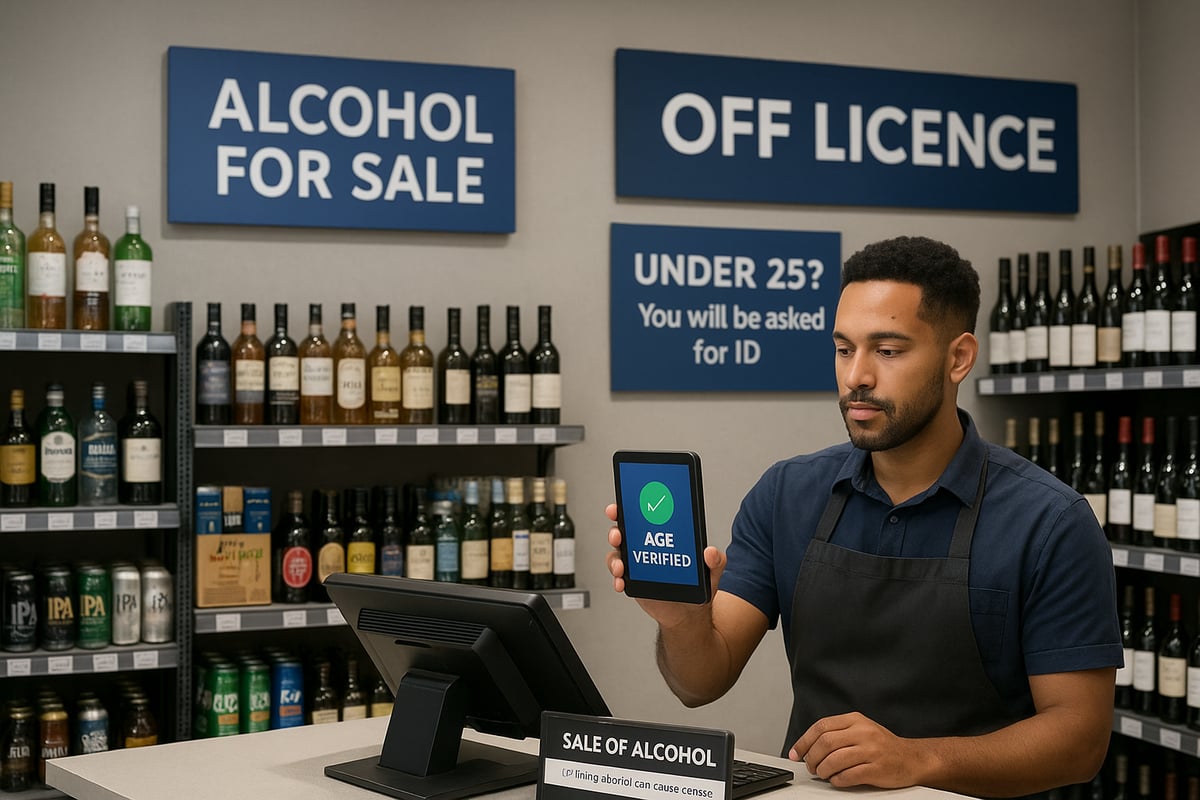
The UK has seen significant changes to alcohol for sale regulations in 2026. Licensing laws have been updated to address digital sales and home delivery. Minimum unit pricing has been reviewed, with Scotland maintaining its strict approach and Wales consulting on future pricing frameworks (Minimum alcohol pricing consultation in Wales). The government’s latest report highlighted a reduction in alcohol harm, influenced by stricter sale hours and enhanced local authority powers.
Digital ID requirements have evolved, making it easier to enforce the legal drinking age. For example, Wales piloted digital ID schemes, while England increased spot checks for online deliveries. These changes ensure alcohol for sale is more closely monitored, protecting vulnerable groups and aligning with public health goals.
Anyone offering alcohol for sale—whether in a shop or online—must comply with updated licensing rules in 2026. Retailers need a premises licence, while staff require personal licences. Temporary event licences remain popular for pop-ups and festivals. E-commerce platforms must now obtain digital licences, ensuring online alcohol for sale is regulated as strictly as in-store sales.
Compliance checks are more frequent, with robust digital systems tracking sales and deliveries. Enforcement actions, particularly in London, have made headlines, resulting in hefty fines for non-compliance. Retailers must prioritise training and regular audits to avoid penalties and protect their alcohol for sale business.
Post-Brexit adjustments continue to affect alcohol for sale across borders. Importers and exporters must navigate new customs rules, duty rates, and labelling requirements. Duty-free allowances have shifted, influencing how much alcohol for sale travellers can bring into and out of the UK.
Cross-border e-commerce has grown, especially for direct-to-consumer wine shipments from Europe. Traceability standards now require clear origin labels and digital tracking for all alcohol for sale. This ensures authenticity, boosts consumer confidence, and meets regulatory demands for transparency.
Health warnings are now mandatory on all alcohol for sale packaging in the UK. Labelling must include ingredients, calorie counts, and product origin. The government’s Ten-Year Health Plan introduced tighter restrictions on advertising, especially online, to limit exposure to minors.
Retailers have responded by updating their alcohol for sale displays and advertising practices. The NHS launched a 2026 awareness campaign, promoting responsible consumption and clear labelling. These changes help consumers make informed choices and reinforce the industry’s commitment to public health.
Advances in technology have transformed age verification for alcohol for sale. Supermarkets and delivery drivers use digital ID apps and biometric checks to confirm customers are of legal age. Retailers are investing in staff training and compliance tools, reducing the risk of underage sales.
Penalties for breaches have increased in 2026, encouraging stricter adherence to the law. Community campaigns highlight the importance of responsible alcohol for sale practices. By embracing these innovations, retailers and consumers alike help foster a safer, more accountable market.
The landscape for alcohol for sale has evolved rapidly, offering consumers a diverse and convenient buying journey in 2026. Modern shoppers have more options than ever, blending digital innovation with traditional retail to suit every preference.
The way consumers approach alcohol for sale has shifted dramatically since the pandemic. Online purchasing now accounts for a significant share, with a 40% increase in UK online alcohol sales since 2022 according to the ONS.
In-store shopping, however, remains popular for those seeking personal recommendations, tastings, or the experience of browsing curated selections. Many retailers now host tasting events and offer expert advice, making the in-store experience more interactive and informative.
Consumers have the flexibility to choose between the immediacy and tactile experience of physical shops or the convenience and variety of digital platforms.
Speed and convenience are at the forefront of alcohol for sale in 2026. Same-day and next-day delivery options have become standard, with coverage expanding to both urban and rural areas. Retailers are increasingly partnering with local producers to offer unique selections and support regional brands.
Last-minute gifting is a major driver of demand, with customers often seeking rapid delivery for celebrations or special occasions. For those in London, fast alcohol delivery in London means drinks usually arrive in around 30–45 minutes across Greater London, making spontaneous gatherings and urgent gifts effortless.
Convenience and reliability are now essential features for buyers seeking efficiency and choice.
Subscription boxes have transformed how people discover alcohol for sale. Monthly wine, beer, and spirits clubs offer curated selections based on individual taste profiles, giving members access to exclusive releases and rare finds.
These services appeal to both enthusiasts and casual drinkers, providing education, tasting notes, and recommendations with each delivery. The UK subscription alcohol market continues to grow, reflecting consumers’ appetite for personalisation and discovery.
As a result, subscription models make exploring new drinks enjoyable, convenient, and tailored to every palate.
Technology has become a driving force in the modern alcohol for sale market. Mobile apps now allow users to order, track, and review products from anywhere, while AI-powered recommendation engines suggest options tailored to individual preferences.
Digital payment systems, loyalty programmes, and augmented reality (AR) experiences such as virtual tastings are common. These innovations streamline the buying process, making it more engaging and efficient.
Retailers leverage technology to enhance customer satisfaction and create seamless shopping journeys across digital and physical spaces.
Secure, flexible payment is a cornerstone of alcohol for sale in 2026. Most retailers accept contactless payments, digital wallets, and Buy Now, Pay Later (BNPL) services, all designed for speed and convenience.
Age verification at checkout is essential, with advanced tools ensuring compliance and safety. In 2025, 70% of online alcohol purchases in the UK were made via mobile devices, reflecting the shift towards digital transactions.
Robust security protocols protect customer data, while intuitive interfaces make the payment process straightforward and safe.
Drinks House 247 has become synonymous with premium alcohol for sale, offering same-day delivery across Greater London and next-day service across the UK. Their vast range covers everything from wines and spirits to curated gift sets, catering to both individual and corporate needs.
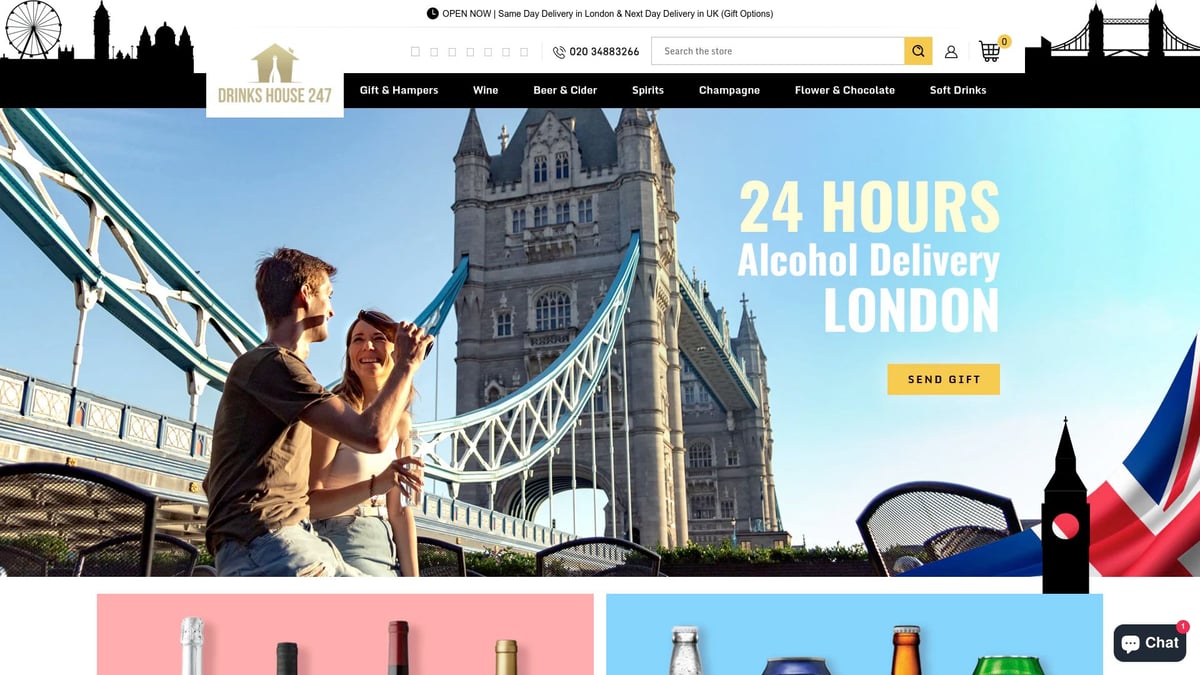
Unique features include luxury and rare labels, themed hampers, and the option to add flowers or chocolates for a bespoke gifting solution. The online platform provides detailed product categorisation and tailored recommendations, simplifying the shopping experience.
Customers can order a bespoke Champagne gift set for urgent celebrations, ensuring every occasion is memorable and stress-free.
Making informed decisions about alcohol for sale in 2026 is more important than ever. As the market evolves, so do health guidelines, responsible retail standards, and social expectations. Understanding these changes ensures you can enjoy your purchases safely and ethically.
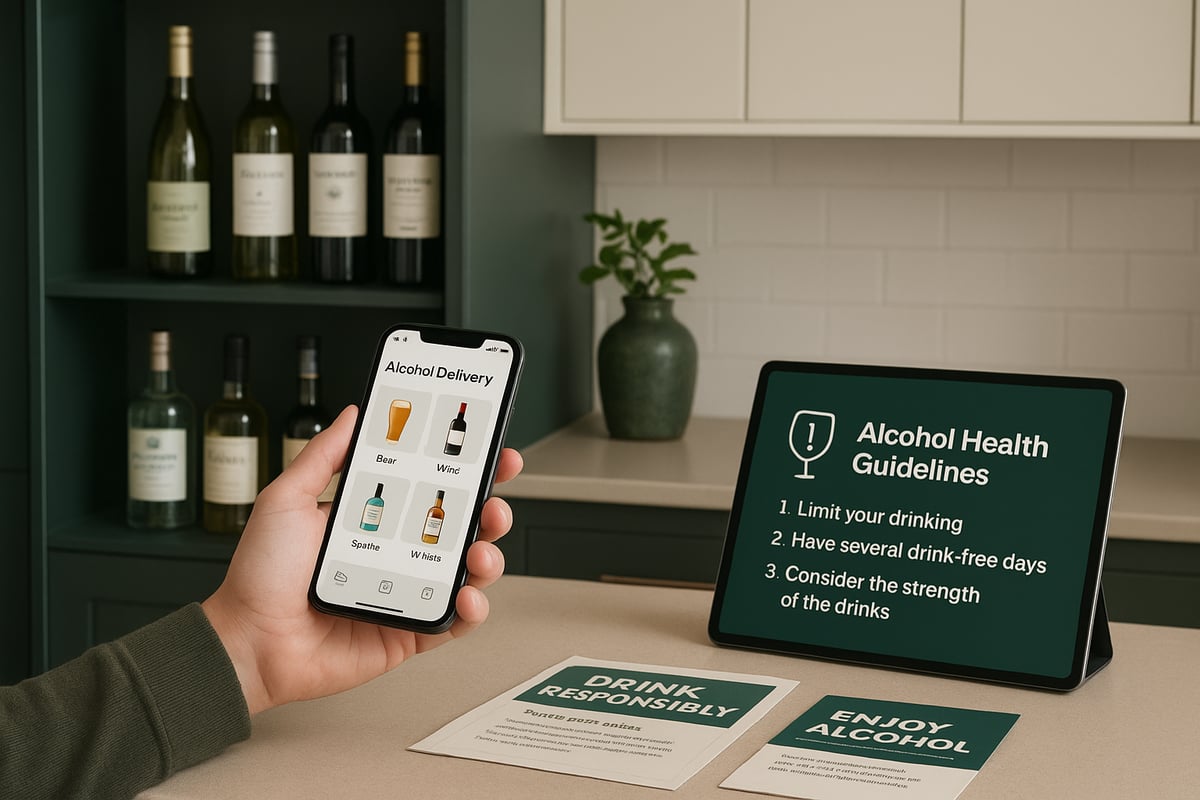
Navigating alcohol for sale in 2026 starts with understanding what you are actually buying and consuming. Each product is labelled with units and alcohol by volume (ABV), helping you make informed choices. The NHS has updated its guidelines, recommending adults do not regularly exceed 14 units per week.
A handy table summarises common drinks and their units:
| Drink Type | Typical ABV | Units per Serving |
|---|---|---|
| Beer (pint) | 4% | 2.3 |
| Wine (175ml glass) | 13% | 2.3 |
| Spirits (25ml) | 40% | 1 |
Government tools and apps now make it easy to track your intake, encouraging safe consumption when selecting alcohol for sale.
With alcohol for sale from countless sources, it is essential to focus on quality over quantity. Look for indicators such as origin, industry awards, and verified customer reviews. The trend towards premiumisation means more consumers are choosing small-batch spirits and craft products.
Craft distilleries and wineries often provide detailed tasting notes and transparent sourcing. This shift supports better experiences and reduces the risks associated with lower-quality products. When evaluating alcohol for sale, seek out reputable brands and consider the value of artisanal over mass-produced options.
Ensuring the safe delivery and storage of alcohol for sale is crucial. Retailers must follow strict protocols, including temperature-controlled packaging and verified recipient checks. For home storage, keep alcohol in a cool, secure place away from children.
Modern delivery services use advanced tracking and digital age verification to uphold safety standards. When your alcohol for sale arrives, inspect packaging for damage and authenticity. Proper storage preserves flavour and quality, especially for wines and rare spirits.
Choosing responsible retailers when purchasing alcohol for sale contributes to safer communities. Look for certifications such as BRCGS and signs of participation in community awareness campaigns. These retailers invest in staff training and use compliance tools to prevent underage sales.
A responsible approach includes clear labelling, transparent sourcing, and customer support. When evaluating alcohol for sale, favour businesses that demonstrate a commitment to public health and ethical practices. This ensures your purchases support positive industry standards.
The impact of alcohol for sale extends beyond individual enjoyment to wider social and public health outcomes. Retailers and producers are increasingly partnering with charities and supporting awareness campaigns to reduce alcohol-related harm. In 2026, alcohol-free campaigns have gained momentum, reflecting a shift towards moderation and inclusivity.
For practical steps on staying within safe limits and fostering positive habits, see this comprehensive How to drink responsibly guide. By making mindful choices, you can enjoy alcohol for sale while supporting healthier communities and setting a responsible example.
The world of alcohol for sale in 2026 is more diverse, innovative, and consumer-focused than ever. As tastes evolve and technology transforms the market, buyers are seeking new experiences, better quality, and sustainable choices. This section explores the most significant categories and trends shaping the future of alcohol for sale, helping you stay informed and choose wisely.
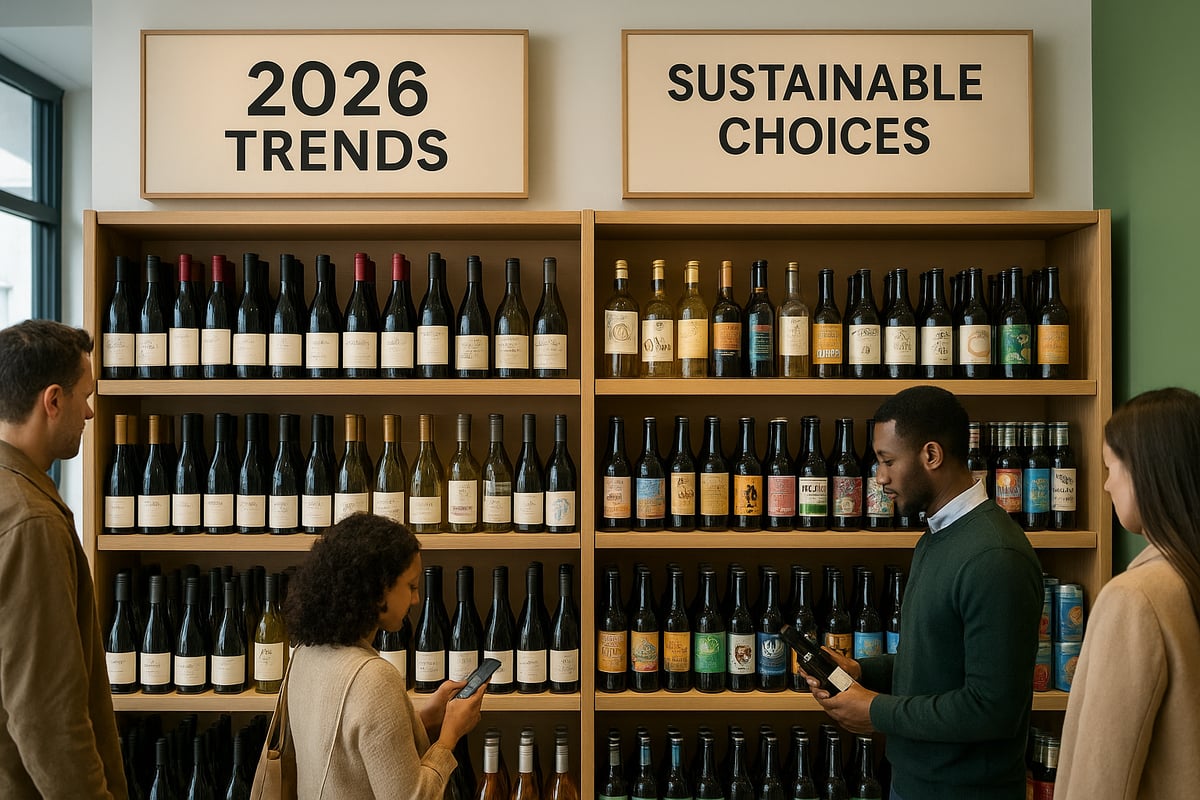
Wines remain a cornerstone of alcohol for sale, but the market is shifting rapidly. Consumers are embracing organic, vegan, and biodynamic options, with English sparkling wines gaining remarkable popularity. Regional diversity is on the rise, with French classics and bold Australian reds attracting both seasoned enthusiasts and newcomers.
A recent WineGB report showed a 15% growth in English wine sales, reflecting both quality improvements and local pride. Shoppers are increasingly interested in provenance and sustainable viticulture, making these wines a standout choice among alcohol for sale. Look for detailed labelling and independent awards to help guide your selections.
Spirits occupy a dynamic space in the alcohol for sale market, marked by the ongoing craft revolution. Gin, rum, and tequila are leading the way, often produced in small batches and featuring unique botanicals or regional influences. Premiumisation is a defining trend, with limited-edition releases and luxury packaging driving consumer interest.
Flavoured spirits and cocktail culture are also boosting demand. The UK craft gin market, for example, continues to grow in value year on year. For an in-depth look at how moderation and premium value are driving these changes, explore 2026 UK drinks industry trends. Whether you prefer classic or adventurous spirits, the options for alcohol for sale have never been broader or more exciting.
Local breweries are thriving, bringing new life to the beer and cider segments of alcohol for sale. Microbreweries and artisanal cider makers are introducing innovative flavours and brewing methods, appealing to a wide range of palates. Imported brands remain popular, but there is a clear shift towards supporting local and sustainable producers.
Low-alcohol and alcohol-free beers are also on the rise, catering to health-conscious consumers. According to recent figures, there has been a 25% increase in low-alcohol beer sales, showing that quality and choice are not sacrificed for moderation. Explore both local gems and trusted imports to find the best beers and ciders for your next purchase.
The RTD and hard seltzer category is one of the fastest-growing areas for alcohol for sale. These beverages offer unmatched convenience and appeal to those seeking health-conscious and portable options. RTD cocktails are now crafted with premium spirits and natural ingredients, while hard seltzers provide refreshing, low-calorie alternatives.
Market analysis indicates significant expansion, with established brands and newcomers launching exciting flavours. Whether you are planning a picnic or a party, RTDs and hard seltzers offer a modern solution that fits busy lifestyles. Always check the label for ingredient transparency and alcohol content.
Demand for alcohol-free and low-alcohol alternatives is reshaping the landscape of alcohol for sale. Advances in production have improved taste and variety, making these options more appealing than ever. Health and wellness trends are driving this shift, with many consumers choosing to moderate their intake without compromising on flavour.
Alcohol-free spirits are moving into the mainstream, appearing on bar menus and in retail selections across the UK. These products cater to a growing audience seeking balance, whether for social occasions or personal wellbeing. Look for brands that focus on quality ingredients and innovative distillation techniques.
Sustainability is now a critical factor in the alcohol for sale sector. Buyers are paying close attention to eco-friendly packaging, carbon-neutral brands, and ethical sourcing. Many producers are adopting fair-trade practices and seeking certifications that demonstrate a genuine commitment to environmental responsibility.
The rise in sustainable wine certifications and reusable packaging is helping consumers make informed, responsible choices. As awareness grows, expect to see even more focus on reducing waste and supporting ethical brands in the alcohol for sale market. Your purchasing decisions can contribute to a greener future for everyone.
Buying alcohol for sale in 2026 is a streamlined process, blending technology, regulation, and consumer empowerment. Whether you are a first-time buyer or a seasoned enthusiast, following a methodical approach ensures a safe, legal, and satisfying experience.
Start your alcohol for sale journey by thoroughly researching available products. Use trusted review sites, expert ratings, and award listings to gauge quality. Look for details such as origin, vintage, and customer feedback.
Consider using marketplace apps and platforms that provide side-by-side comparisons of prices, tasting notes, and delivery options. For in-depth advice on comparing wines and spirits online, see the Marketplace wine buying guide 2026.
Taking time at this stage ensures you select the best alcohol for sale for your taste and budget.
Select a reputable retailer or delivery service for your alcohol for sale purchase. Assess their range, licensing credentials, and customer service reputation. Leading platforms offer a wide selection, competitive pricing, and reliable delivery options.
Evaluate delivery speeds, coverage areas, and any partnerships with local producers. Make sure the retailer follows all legal requirements for alcohol for sale. For tips on choosing and using delivery apps effectively, read Essential liquor delivery app tips.
Choosing wisely guarantees a smooth alcohol for sale experience.
Strict age verification is mandatory for all alcohol for sale transactions in the UK. Most online platforms employ digital checks, including AI-driven ID scanning or biometric verification, to ensure compliance.
During checkout, you will be prompted to upload identification or use a digital ID app. This process is quick, secure, and protects both buyers and retailers.
Completing this step accurately is essential for a lawful alcohol for sale purchase.
After ordering alcohol for sale, choose your preferred delivery or collection method. Many retailers offer flexible slots, real-time tracking, and contactless handovers for convenience and safety.
Specify your delivery window and confirm the recipient will be present to provide age verification. For urgent needs, opt for same-day delivery if available.
This step helps guarantee your alcohol for sale arrives promptly and securely.
Upon delivery, inspect your alcohol for sale order for any damage or missing items. Check seals, labels, and packaging integrity before accepting the parcel.
Proper storage is vital to preserve quality. Store wine in a cool, dark place, spirits upright in a cabinet, and beers in the fridge. For large collections, consider a dedicated wine fridge or cellar.
Safe handling protects your alcohol for sale investment and ensures the best drinking experience.
Once your alcohol for sale is home, follow recommended consumption guidelines and stay updated on new regulations. Sign up for retailer newsletters or alerts to receive updates on promotions, recalls, and legal changes.
Share responsibly with friends and family, and keep informed about health advice and moderation tools. Being proactive helps you enjoy alcohol for sale safely and sustainably.
By following these steps, you can confidently navigate the world of alcohol for sale in 2026.
As we look towards 2026, the future of alcohol for sale in the UK promises innovation and transformation. From smart retail technology to shifting consumer values, each trend shapes how alcohol is bought, sold, and enjoyed. Staying informed about these developments will help buyers and businesses adapt confidently.
Digital innovation is redefining the alcohol for sale landscape. Retailers increasingly use predictive analytics to offer tailored discounts and recommendations. Virtual shopping assistants guide customers through curated selections, enhancing the digital shopping journey.
AI-powered inventory systems ensure popular products are always available, reducing missed sales. Some shops now use chatbots to answer questions instantly, making the buying process seamless. These technologies not only streamline operations but also personalise the experience for every shopper.
The integration of technology is set to become standard, with virtual tastings and real-time stock updates becoming commonplace in alcohol for sale platforms.
Consumers in 2026 expect more than just convenience from alcohol for sale. Experiential retail is thriving, with in-store tastings, mixology masterclasses, and immersive events drawing in customers. Shoppers increasingly value transparency, seeking information about product origins and ethical sourcing.
Virtual reality tours of vineyards and distilleries are gaining popularity, allowing buyers to explore the story behind their bottle. This demand for authenticity and experience is reshaping how retailers approach alcohol for sale, focusing on building trust and lasting relationships.
As preferences evolve, businesses offering unique, interactive experiences stand out in a competitive market.
The regulatory framework around alcohol for sale continues to evolve in response to public health priorities. Anticipated changes include stricter advertising rules and enhanced digital age verification. The government is also expected to adjust alcohol taxation, impacting both price and availability.
For further details on the 2026 duty rate increase and its implications, see the UK Alcohol Duty uprating. Public health campaigns are also pushing for clearer labelling and responsible marketing, in line with the UK's long-term health strategy.
Retailers and consumers must stay alert to these shifts to ensure legal and responsible alcohol for sale practices.
Sustainability is now a central focus for alcohol for sale. Retailers and producers are embracing eco-friendly packaging, such as recyclable bottles and biodegradable labels. Some brands invest in zero-waste refill stations, encouraging customers to reuse containers.
Carbon-neutral delivery fleets are being adopted to reduce environmental impact. Certifications like B-Corp are becoming a mark of trust for environmentally conscious buyers. These innovations not only benefit the planet but also attract new customers who prioritise ethical consumption.
The trend towards green practices is expected to accelerate, making sustainability a key differentiator in the alcohol for sale market.
Globalisation is reshaping the way alcohol for sale reaches UK consumers. Direct-to-consumer sales from international producers are on the rise, offering access to rare and premium products. Navigating post-Brexit import and export regulations remains a challenge, but businesses are adapting with streamlined logistics.
Consumers are increasingly purchasing premium wines and spirits from Europe, taking advantage of cross-border e-commerce platforms. Duty-free allowances and transparent labelling requirements provide clarity for buyers. This global approach enriches the variety and quality available in the UK alcohol for sale sector.
Social responsibility is integral to the future of alcohol for sale. Alcohol-free social spaces and inclusive events are gaining traction, catering to diverse preferences and promoting moderation. Brands are developing low and no-alcohol options, as well as allergen-free alternatives, to ensure everyone can participate.
Community-driven initiatives, such as charity partnerships and awareness campaigns, highlight the positive impact of responsible retailing. For more on new labelling standards and upcoming restrictions, review the Ten-Year Health Plan alcohol restrictions.
Retailers and producers who champion inclusivity and social good will shape the next generation of alcohol for sale.
As you navigate the evolving landscape of alcohol sales in 2026, having access to reliable information and convenient services makes all the difference. Whether you’re searching for the perfect gift, planning an event, or simply looking to explore a carefully curated selection of wines, spirits, and beers, it’s essential to choose a provider that prioritises both choice and responsible delivery. If you’re ready to experience seamless same day service in Greater London or next day delivery across the UK, you can browse premium Champagne and more at Drinks House 247 for a straightforward and enjoyable buying experience.
سيتم الموافقة على التعليقات قبل ظهورها.


